Lighting the Past: How 'Train Dreams' Captured the Soul of an Era
Why cinematographer Adolpho Veloso ditched modern lighting and widescreen for something much more human.
'Train Dreams'
Every year, I feel like there's a sneaky good movie that people in the know talk about, and this year, that movie is Train Dreams. It's a wondrous adventure through the old-time logging and construction that went into erecting train tracks. And it also delves deep into the marks we make while alive on this earth.
We have a whole explanation of the Train Dreams ending you should check out.
This movie is so cinematic and sweeping, even if shot in an unconventional way.
In a recent deep dive with Variety, cinematographer Adolpho Veloso broke down why he took the opposite approach for the film Train Dreams and how all that accentuated the themes of the movie.
Let's dive in.
- YouTubewww.youtube.com
1. The 3:2 Aspect Ratio: Capturing Memories
Something I loved about Train Dreams was that is shot in its own very unique way. The most striking thing about the movie isn’t what’s on screen, but the shape of the screen itself. Veloso chose a 3:2 aspect ratio, so it's like we're just looking into a window of the past, and not getting a massive widescreen vision of it.
"It’s almost like you found that box full of old pictures of someone’s life," Veloso explained.
The film evokes a sense of nostalgia that feels like scrolling through a family album. And the aspect ratio also allowed them to capture the towering scale of the Idaho trees, which is not only visually great but rooted deep in the theme of time.
2. Chasing the Sun (Literally)
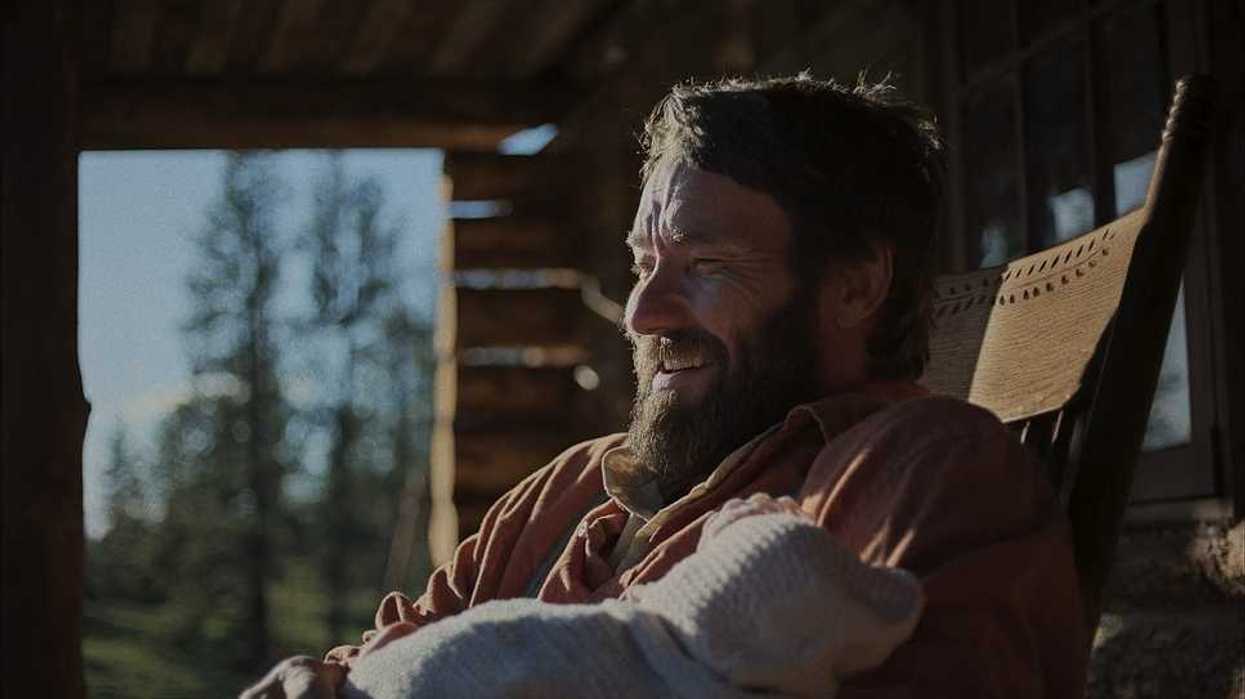
In an era of massive LED panels and artificial Golden Hour, Veloso and director Clint Bentley decided to shoot 99% of the movie using natural light.
I found this to be one of the most rewarding movies to seek out on the big screen. It just feels gargantuan. Shout out to the Landmark Westwood, which rocked as a [lace to watch it.
The natural light was a logistical challenge. It meant the crew often had only one hour to shoot a scene, sometimes getting only four or five takes before the sun disappeared. Inside scenes weren't spared either because they relied on real fire and real candles to keep the world feeling grounded and raw.
The camera they used was the Alexa 35, because of its ability to see detail in both bright highlights and deep shadows (we call that dynamic range). This allowed the actors to move freely without tripping over light stands or being boxed in by artificial setups.
Paired with the camera were two sets of lenses: spherical lenses for the daytime/sunflares and Zeiss Super Speeds Mark 2 for night scenes due to their speed. Both these helped accentuate the natural effects.
3. Nature as a Cast Member
One of the most poetic takeaways from Veloso’s breakdown is how he treated the environment. In many films, nature is just a backdrop. In Train Dreams, nature is a character, maybe even the central character, as it gets the first and last shots.
Veloso avoided using drones for shots of the forest because he felt a drone was too "mechanical." Instead, he shot the trees like he would shoot a person. If a character was looking at a tree, the tree got a "close-up" just like an actor would.
They even rigged a Red Komodo camera to a tree and then knocked it down to capture a tree actually falling. They used local loggers to aim the massive trunk right next to the lens to capture the power of the woods.
4. The "Colorized" Look
The film’s unique color palette was inspired by the early days of color photography. In order to make it feel real, Veloso worked with legendary colorist Sergio Pasqualino to create a look that feels "99% accurate but a bit off".
They wanted the footage to look like black-and-white photos that had been hand-tinted or colorized, adding to that ethereal, "memory-like" quality that defines the whole project. And also that accentuates the theme of the film.
Summing It All Up
I love breakdowns like these because they open me up to new ideas and the creativity of others. I am not a cinematography expert, but I love learning all the unique things they did to capture one of the best-looking films of the last decade.
Let me know what you think in the comments.
- Debating The 10 Best Joel Edgerton Movies ›
- 'Train Dreams' Ending Explained ›
- Editing an American Epic: Inside 'Train Dreams' with Dir. Clint Bentley & Editor Parker Laramie ›
- Take a Look at the Custom Candle Rig Used to Shoot Scenes in ‘Train Dreams’ ›
- Examining The Purposeful 'Train Dreams' Camera and Lens Choices ›
- Greg Kwedar is the Patron Saint of the Indie Grind: Here’s What He Taught Us at SXSW ›
- A New Kickstarter Campaign is Here to Provide Filmmakers With Their New Mobile Basecamp | No Film School ›