We know, most everything new in film and video is usually met with a solid level of trepidation and often mistrust. And, sadly, likely for good reasons, too, as there have been many filmmaking revolutions that have been promised but have fizzled out.
Or worse yet, new revolutions threaten the very existence of filmmakers themselves. (We’re looking at you, non-supportive AI.) So, when fads like vertical filmmaking come around, it can be easy to sweep them under the rug, or at least wait them out.
However, waiting may no longer be an option, as vertical filmmaking is becoming increasingly popular. We chatted with one filmmaker, S. Riley Moneymaker, about her journey into this vertical format, as well as how she’s been able to grow and develop as a filmmaker in general.
Check it out below.
NFS: What got you into filmmaking in the first place? How did your career get started?
S. Riley Moneymaker: I started writing in first grade, and it has always felt like my dream job. Even in college, if there wasn’t a screenwriting class available, I’d sign up for poetry or another writing course and ask the professor if I could write a script instead. Thankfully, they usually said yes, so I’ve been finding my way toward this for a long time.
I moved into directing about three years ago through Catalyst Film Collective, where my script for At Skyview Enterprises received a grant and I had the chance to direct it. The film later premiered at Screamfest LA in 2024 and serves as a proof of concept for my feature Death After Dark.
After that, I was hooked, but I didn’t know how to keep going on my own. Rediscovering Open Signal in Portland and getting access to Blackmagic cameras bridged that gap. Since then, I’ve worked on dozens of productions and learned by doing everything from gaffing to sound to craft services. It’s not romantic, but it teaches you how films are actually made.
Credit: S. Riley Moneymaker
NFS: What was the first project where you tried vertical filmmaking? How did it go?
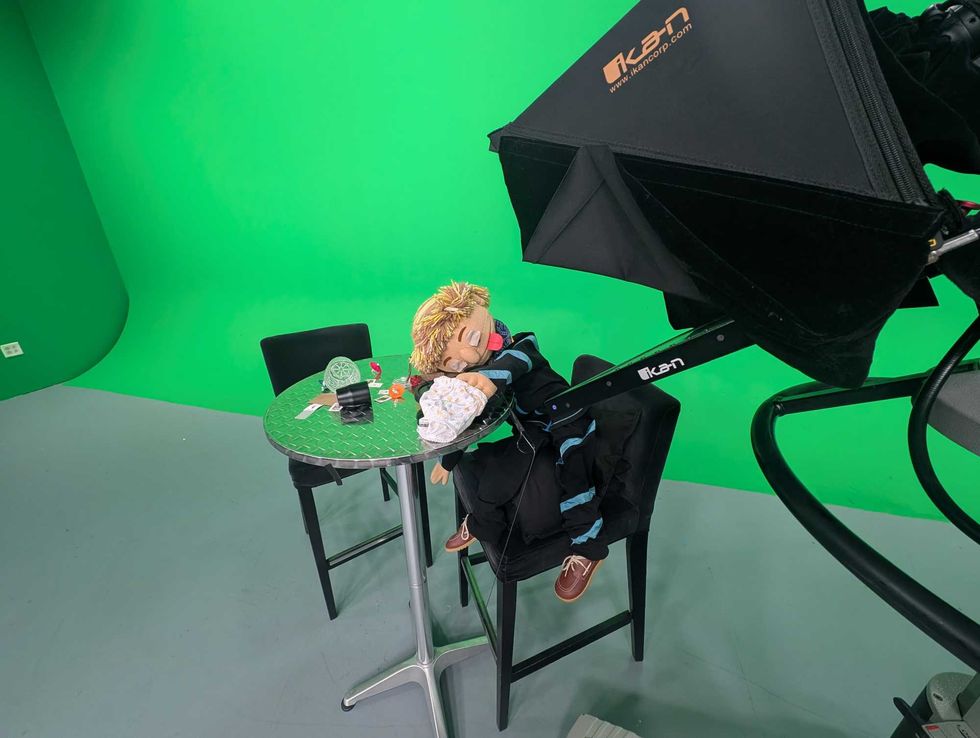
SRM: My first vertical project is IT DON’T MAKE SENSE: Portland Edition, a vertical-first sketch comedy/horror show with musical guests, and it’s in post now. Like most no-budget indie projects, it was overwhelming. I wore a lot of hats, and because it was my first time shooting vertical, I had to rethink not just the 9:16 frame but also the pacing.
Traditional script pacing shifts in vertical. It’s about momentum, cliffhangers, and very tight structure. I had to give myself permission to experiment, play with the format, and lean into the mistakes. That’s honestly part of why I named the show IT DON’T MAKE SENSE.
If something doesn’t make sense, maybe people will assume it was intentional. (Clever, right?) My bigger hope is that IT DON’T MAKE SENSE: Portland Edition can become a blueprint for other cities and creatives to make small, bingeable, mobile-first episodes in whatever genre fits their community.
NFS: What is your current workflow for shooting and editing vertical content?
SRM: I’m fortunate to have a strong writing background, so for me, the script is everything. Even with vertical content, I still begin the way I would with traditional film or TV: story, script, storyboards, and a shot list. The difference is that I’m designing everything around the vertical frame from the beginning.
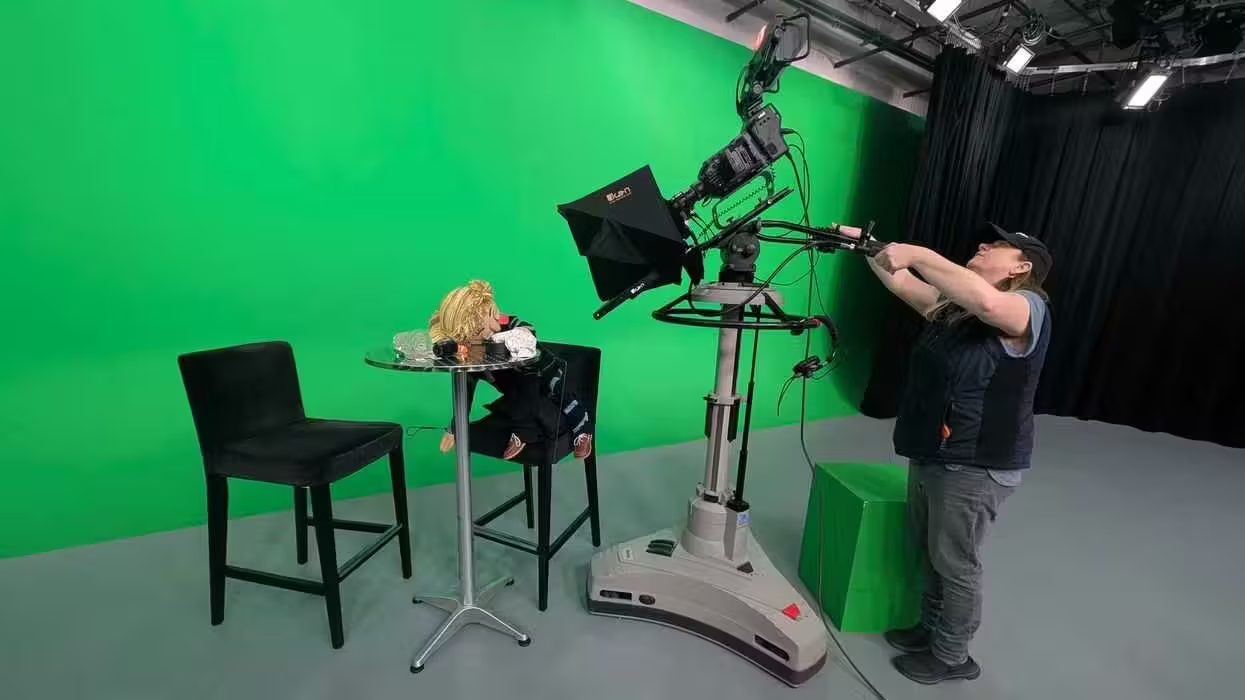
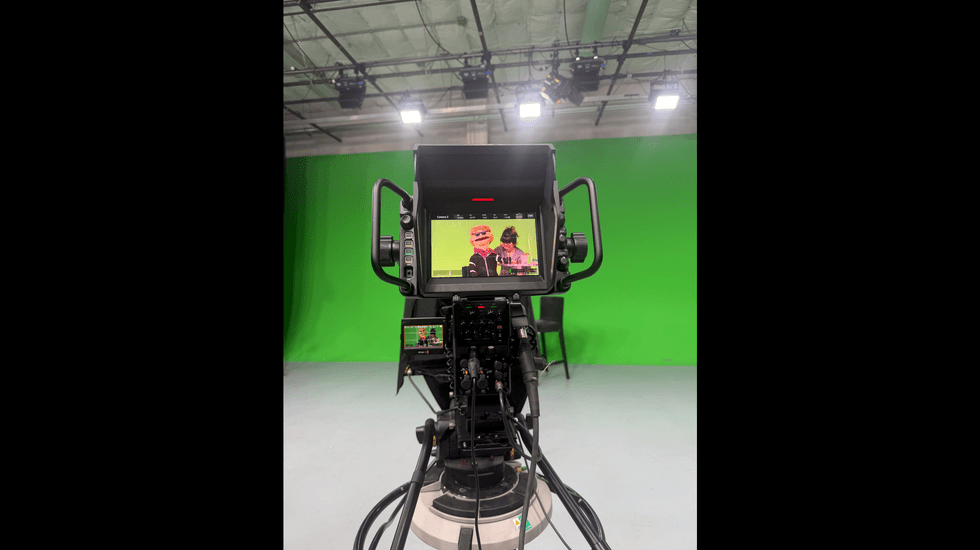
For IT DON’T MAKE SENSE: Portland Edition, we shot vertical-first using Blackmagic URSA cameras in a multicam setup. The biggest restrictions were also the biggest creative gifts: no budget, and the show had to be set in a studio I had access to. That meant writing specifically for the space and equipment available. I edit in DaVinci Resolve with 9:16 as the primary format, while also creating a 16:9 version for platforms where horizontal delivery makes sense.
Credit: S. Riley Moneymaker
NFS: Where do you share your work? How do you deliver your work in this vertical format?
SRM: Right now, I’m shopping IT DON’T MAKE SENSE: Portland Edition to various apps and platforms before putting the full project on social media. I’m approaching it the same way I’ve approached more traditional work: before posting the full piece publicly, I want to see if there’s an opportunity to license it. Once something is freely available on YouTube or social media, that can change the value for buyers.
That said, I will absolutely post clips on social media, the same way I do with my traditional work. Social is important for building an audience and letting people discover the tone of the project. The primary delivery format is 9:16 because IDMS was shot vertical-first, but I’m also preparing a 16:9 edit for additional distribution opportunities.
NFS: Do you see yourself shooting vertical forever? Would you ever do a vertical feature?
SRM: Writing and filming verticals is incredibly fun because each episode or chapter can be one to one-and-a-half minutes long, which feels much less overwhelming than staring down a 100-page script.
You’re creating bingeable little bites of story, each with its own hook, turn, or cliffhanger. That structure is energizing, and it has made my traditional writing stronger because it forces me to be ruthless about pacing, clarity, and emotional payoff.
That said, no, I’m not only doing verticals. I still love traditional filmmaking and the possibilities of a wider cinematic frame. But vertical has become part of my creative language. I’ve written vertical features and hope to make one. I wouldn’t want to do it as a gimmick, but for the right comedy, horror, thriller, or character-driven project, vertical can be incredibly effective.
- YouTube
NFS: What advice would you give to someone looking to try vertical filmmaking for the first time?
SRM: Start with story, but respect the format. Vertical filmmaking is not just traditional filmmaking cropped for a phone. The structure, pacing, blocking, and framing all change. Study cliffhangers: research what they are, look at examples, and then figure out how to use them in your own voice. Vertical storytelling is built around momentum, and each episode needs to give the audience a reason to keep going.
Also, use the resources you actually have. Don’t wait for the perfect budget, location, or gear. Write to the space, people, and equipment available to you. That’s what I did with IT DON’T MAKE SENSE: Portland Edition, and the restrictions became part of the creative engine. Give yourself permission to experiment. Scripted vertical storytelling is still young enough that there’s room to play, fail, adjust, and discover a language that works for you.
- The Pros and Cons of Vertical Video and Working with Constraints ›
- Why You Should Shoot Your Next Horror Short Vertically ›
- Make Your Interviews More Cinematic in 10 Steps ›
- What Are the Best YouTube Videos of Interviews With Filmmakers? ›
- Everyone in Hollywood is Talking About 'Verticals'...But What Are They? ›