When the filmmaker lets the villain win early, somewhere around the midpoint reversal, I know I’m in for quite a spectacular end.
That’s because suddenly the question isn’t whether the hero will win; rather, it's about how he will win.
Suddenly, the stakes are no longer in a simple “yes” or “no.” With a single writing trope, “villain wins early,” the writer has turned the spotlight on the journey instead.
In this article, we’re discussing the “villain wins early” trope, why it works, and how to use it in your screenplay.
What Is the “Villain Wins Early” Trope?
The villain wins early is a structural narrative premise in which a pivotal event appears to destroy the hero’s chances of victory, forcing them to accept defeat.
It could be a planned attack by the villain or just bad luck for the hero, but that one incident sets the hero miles behind in the race. The common practice is to introduce the trope either early in the film or around the midpoint to heighten the tension and stakes in the hero’s quest.
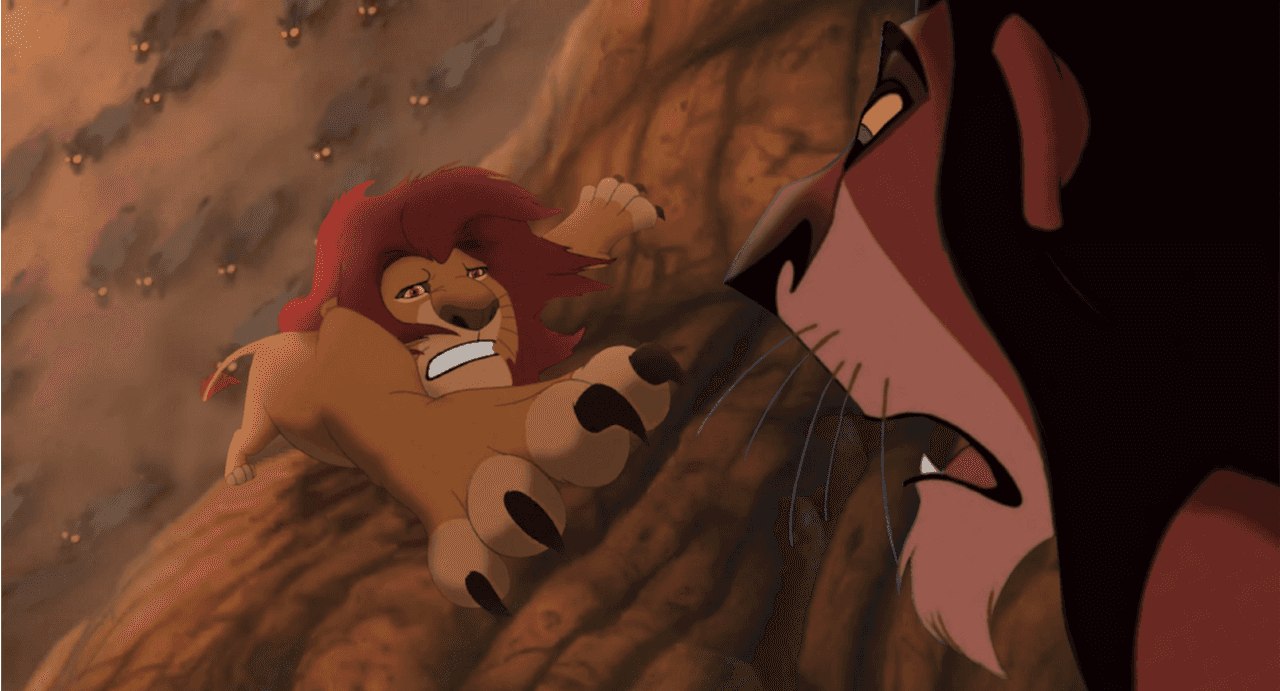 'The Lion King' (1994)Source: Walt Disney Studios Motion Pictures
Why Does the “Villain Wins Early” Trope Work?
1. It Raises the Stakes Instantly
Nobody normally expects the hero to be defeated. When the villain emerges victorious in the first two acts, it comes as a shock.
At the same time, the villain’s early win also puts the audience in doubt. Overall, this one defeat can skyrocket the stakes in the story and induce claustrophobic tension.
2. It Supercharges Our Empathy for the Hero
Have you noticed how a neutral audience tends to switch sides? During a match, a losing team can garner sympathy. This same emotional phenomenon is leveraged in the “villain wins early” trope.
When the good guy is forced to accept defeat before the bad guy, it triggers our sense of fairness and justice, leading to a stronger bond with the character. We now want them to win at all costs.
3. It Serves as an Immaculate Plot Twist, or Cliffhanger
A perfectly timed early win for the villain can throw the audience off the tracks. It is only natural to root for the hero, so when the villain snatches the crown within the first two acts, it turns into a significant plot twist.
In a series, the “villain wins early” trope can become the perfect cliffhanger, leaving the audience with unresolved questions that compel them to return for the next episode.
4. It Raises Our Respect for the Villain and the Battle
I’ve said this before: a hero is as good as the villain he is facing. The “villain wins early” trope establishes the villain as a powerful opponent. The fact that they defeat the hero once implies the villain’s competence, indicating that winning this battle will not be easy for our hero.
Suddenly, not only have the stakes been raised, but our respect for the villain has risen as well. You are meant to realize that the hero faces a grave opponent—someone who can push them to their limits and ultimately take the win away.
5. A Non-Meandering Storyline
When the narrative begins with the villain’s win, it also helps the filmmaker quickly set the stage. This allows you to skip the systematic exposition, giving you greater control over your narrative pacing. For the audience, they get to the point faster, and who doesn’t like that?
How to Use the “Villain Wins Early” Trope in Your Narrative
Here are the three things to keep in mind when incorporating this trope:
- The greater the villain's win, the better you set the stage for the hero’s win in the climax. Throw in personal losses for the hero to build emotional resonance.
- Throw the hero into pits of despair where all hopes seem lost, until they are enlightened with a way out.
- Avoid slow, meandering exposition. The moment you allow the villain to win, detours will only dilute the tension, as the audience is now dying to know how the hero wins.
Movies That Use the “Villain Wins Early” Trope
1. The Lion King
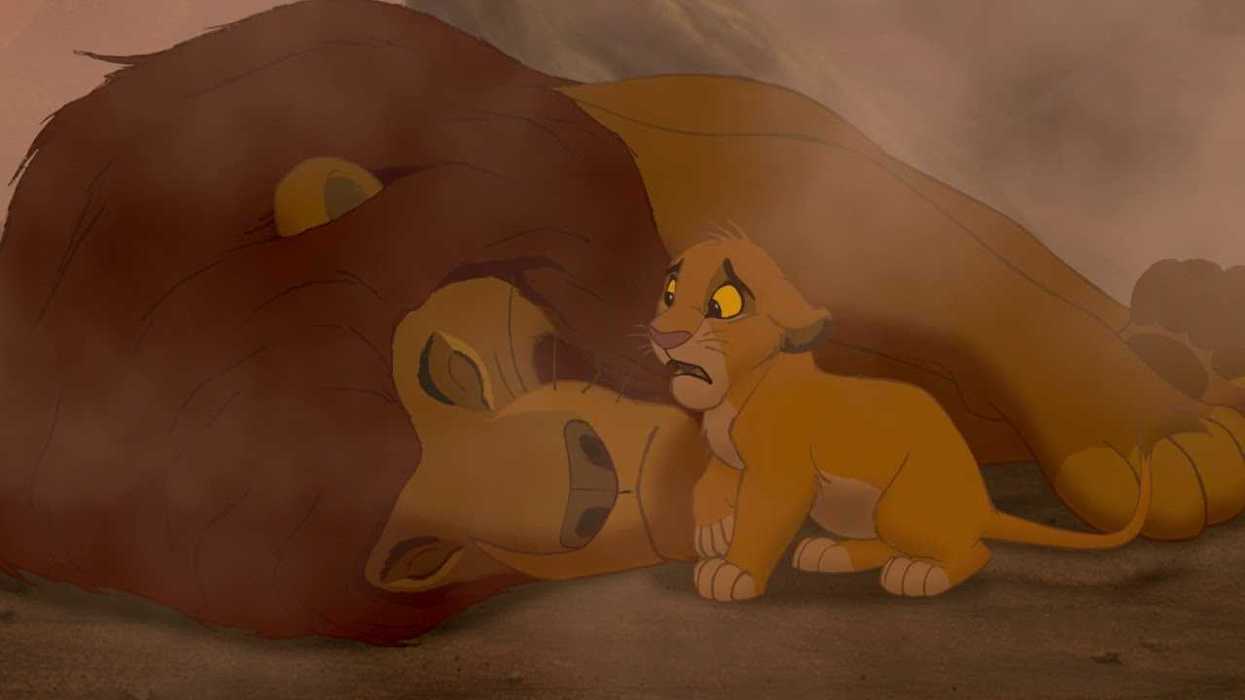
Mufasa’s untimely death (or fratricide) marks the villain’s early win in the narrative. The event not only becomes the narrative's driving force but also shifts our focus to Simba and his journey to become the king.
2. No Country For Old Men
This story isn’t really about good versus bad, but there is an air of invincibility around Anton Chigurh that feels like the villain’s early win. Chigurh’s police station breakout is a stylized use of the “villain wins early” trope.
3. The Chronicles of Narnia: The Lion, the Witch, and the Wardrobe
Aslan’s death is a classic example of the “villain wins early” trope.
A day before the battle of Narnia, Aslan goes to the Stone Table to offer himself to save Edmund’s life. The merciless queen takes advantage and executes Aslan, believing that Aslan’s death will cripple her opponents. Susan and Lucy witness the death, and the gloating, prideful witch is now assured of her win in the battle.
However, a prophecy is met, and Aslan is resurrected.
Can you name a few more movies that use this trope? Fire away in the comments section!
- How To Avoid the Manic Pixie Dream Girl Trope (For Men!) ›
- How to Avoid the 'White Savior Trope' ›
- 'Station Eleven' Avoids This Dystopian Storytelling Trope (And Is Better For It!) ›
- The 'Cool Girl' Trope ›
- What is the "Chosen One" Trope? ›
- Trope Evolution: The Retired Legend Who Gets Pulled Back In ›
- What Are Movie Tropes? ›
- "Laughing In The Face Of Danger" Trope Is The Ultimate Power Move For A Movie Hero ›