How 'A Man Called Horse' Redefined the Revisionist Western
The best genres are deconstructed and reconstructed over and over again.
'A Man Called Horse'
There are so many Westerns out there. It feels like every day I'm reading about a new one and trying to understand its place in the lexicon of cinema. Someone wrote in and told me to check out Elliot Silverstein’s A Man Called Horse (1970), and after watching and researching the film, I was kind of shocked I had never heard of it before.
As it turns out, it's one of the more important revisionist westerns in history.
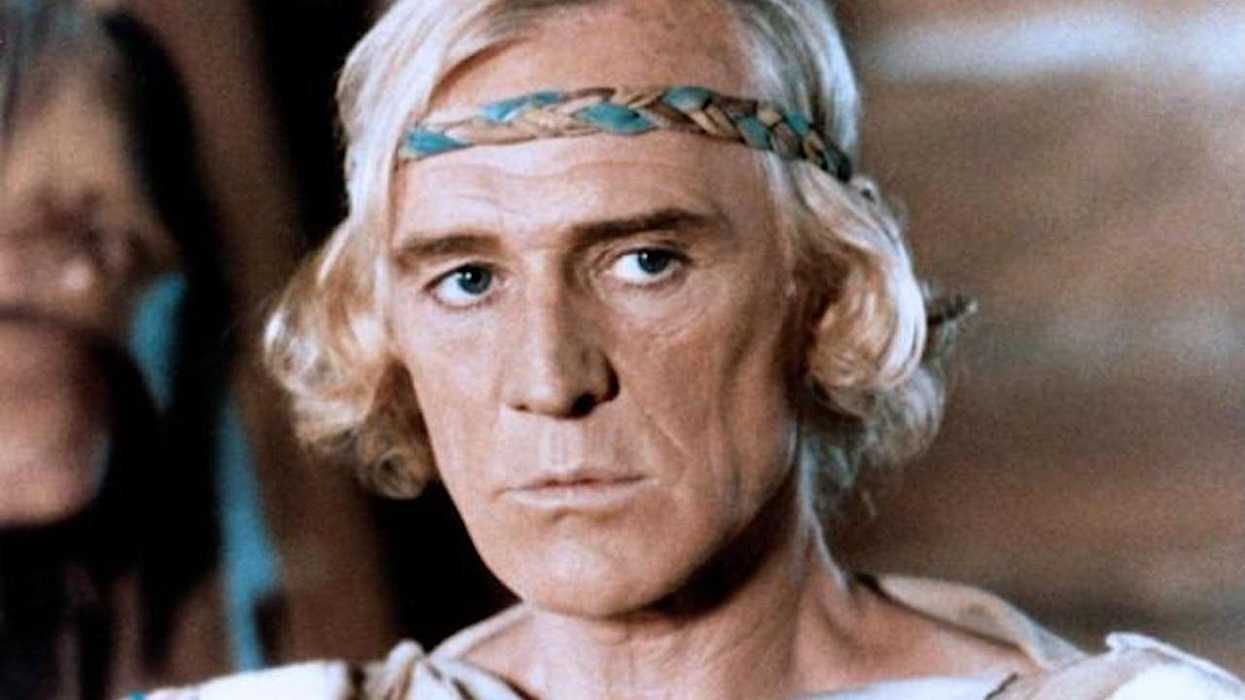
The movie stars Richard Harris as an aristocratic English nobleman captured by the Sioux in 1825 who sort of becomes one of them and leaves his old world behind.
It's a fascinating look into deconstructing civilization that came out of the New Hollywood era.
Let's dive in.
- YouTubewww.youtube.com
Subverting the Hollywood Western Mythos
Most old westerns fall into the cliché idea of cowboys versus indians. You had these sweeping archetypes where it's either savages on the land or noble people, and the cowboys are there to tame and civilize either way.
But even older audiences got burnt out on that stuff, so when A Man Called Horse came around, people were excited to get a movie told from the perspective of the Sioux community, even if it starred a British guy.
Written by Jack DeWitt (who adapted it from Dorothy M. Johnson’s short story), the screenplay strips away heavy dialogue in favor of behavioral observation in a lesson on "Show, don't tell," as Harris's character evolves from a pacifier to someone who begins to understand the beauty of another way of life completely different than what he was given before.
Large stretches of the film feature characters speaking in unsubtitled dialect, forcing the audience to experience the same linguistic isolation and cultural dissonance as the protagonist.
We get to be lost with him and then try to pick apart the situation alongside him in ways other Westerns would never let you experience.
It makes the native characters human beings and shows Harris's character what the intolerance he and other cowboys have shown them actually feels like.
The Infamous "Sun Dance"
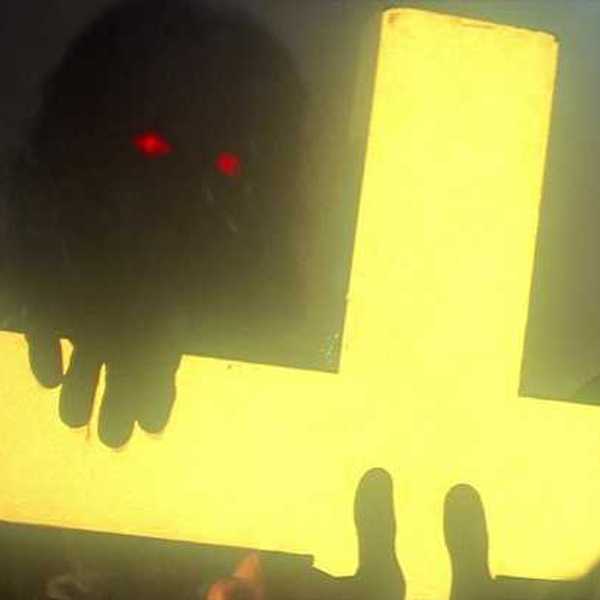
The film takes us to many places, but the one most people walk away talking about is the Sun Dance. It's pretty graphic!
The whole idea is that this ritual will make Harris's character one of the Sioux. But at the time, it pushed the boundaries of what the MPAA allowed on screen.
Director Elliot Silverstein and cinematographer Robert B. Hauser opted to do this practically, which is freaking nuts.
They built a prosthetic chest for Harris to wear, but then attached bone hooks to it for when his body is raised to the air.
Now, contemporary scholars and Indigenous critics have rightfully debated the film's ethnographic accuracy and the white savior part of it, which, given it was made in 1970, you kind of have to just deal with. It really leans into the realism and showcases a side of Westerns we never really got to see.
It set a new standard for the reality they could portray.
- YouTubewww.youtube.com
Summing It All Up
A Man Called Horse took what people expected from westerns and flipped it on its head. It's a little hard to find, but worth checking out.
These movies are not perfect; they're a product of their times and don't totally hold up to modern cultural standards, but they opened a world where you could take more chances in movies.
This movie paved the way for later masterpieces like Dances with Wolves, Unforgiven, and The Revenant to be made.
I wish we still had those ideas flowing today.
Let me know what you think in the comments.