5 Pathbreaking Revisionist Westerns That Redefined the Genre
These five films dismantled the traditional Western in their own ways.
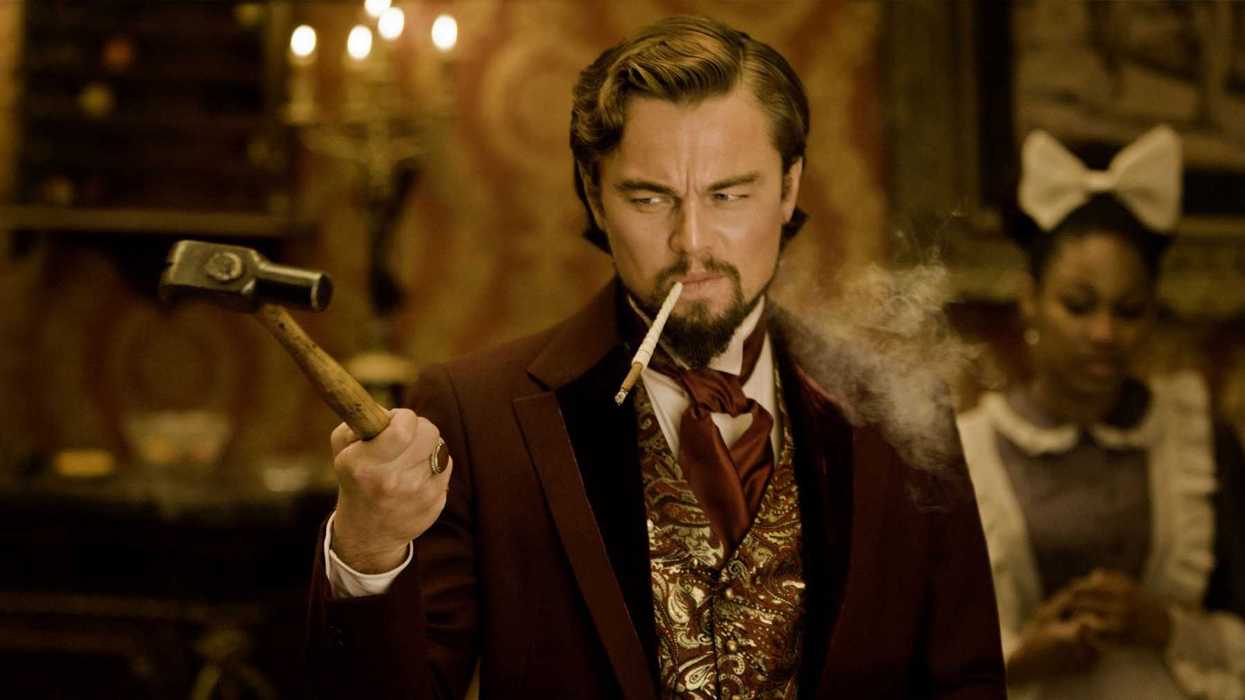
'Django Unchained' (2012)
The Western genre once rode proudly on clear-cut heroes, clear-cut bad guys, noble quests, and triumphant shootouts. While the genre itself was beloved for these elements, some filmmakers maintained its foundations and drastically reinvented other aspects.
Revisionist Westerns didn’t just offer a new perspective; they tore apart many Western conventions and introduced grit, doubt, and moral complexity. A large part of this moral complexity involved introspection, not just of its heroes but of the genre itself.
As these movies started becoming more popular, more filmmakers entered the sub-genre with their own unique ideas. Characters who would previously have been rather unimaginable as leads redefined what it meant to be a protagonist in a Western movie. If this wasn’t enough, some revisionist films had no real protagonists at all.
Modern landscapes, aging gunmen, reflective officers, and broken systems took center stage in what became a ground-up genre revamp.
Let’s jump right in and take a look at five pathbreaking revisionist Westerns across the eras and observe what makes them special.
5 Bold Revisionist Westerns
Here are five impeccable films that reimagined the Western genre by depicting exciting new cinematic perspectives.
1. Unforgiven (1992)
Directed by Clint Eastwood
It’s impossible to name revisionist Western movies without mentioning Clint Eastwood’s timeless masterpiece, Unforgiven. In the movie, Eastwood plays William Munny, a former outlaw dragged back into violence for one last job. Munny confronts Sheriff Little Bill Daggett (Gene Hackman), whose brutal brand of justice exposes the messiness of frontier law. The movie, at its core, deconstructs the Western genre quietly and reflectively. It doesn’t just dismantle the gunslinger myth; it makes us question the kind of choices people make in such worlds and how age can often bring some level of inescapable contemplation. Many consider this movie Eastwood’s tribute and farewell to the genre he helped define. By painting a sharp contrast between the Old West and the West in his film, the master filmmaker raises significant questions about the unavoidable nature of violence and a cycle of cruelty that is hard for men such as William Munny to escape.
2. The Wild Bunch (1969)
Directed by Sam Peckinpah
Towards the very end of the 1960s, Sam Peckinpah delivered a fascinating revisionist Western about a band of aging outlaws led by Pike Bishop (William Holden) and his loyal lieutenant Dutch Engstrom (Ernest Borgnine), as they pull one last heist in 1913 Texas. The film’s depiction of violence was cinematically chaotic and groundbreaking. Audiences at the time were not accustomed to such rawness, especially the kind that is only enhanced by slow motion and other strong visual decisions. Peckinpah’s movie is revisionist largely because of its portrayal of violence as both inescapable and calamitous. The film brilliantly shatters the presumed “cleanliness” of Western movie action by forcing audiences to confront more brutal visuals.
3. McCabe & Mrs. Miller (1971)
Directed by Robert Altman
Robert Altman’s McCabe & Mrs. Miller stars Warren Beatty as John McCabe, a small-time gambler who drifts into the Northwest and decides to open a brothel with the help of sharp-witted Mrs. Miller, played by Julie Christie. Their business actually thrives until mining interests move in, leading to a uniquely anti-Western showdown. The film wholeheartedly rejects Western romanticism. There are no typical grand showdowns, but rather transactional interactions and human vulnerability portrayed through hazy cinematography and a melancholic tone that quietly lingers.
4. Django Unchained (2012)
Directed by Quentin Tarantino
Quentin Tarantino’s 2012 masterpiece is a revisionist masterpiece through and through. Starring Jamie Foxx as Django, a freed slave turned bounty hunter, and Christoph Waltz as Dr. King Schultz, the movie’s emotional pulse is the unyielding human need for two lovers to reunite amidst monstrous violence and brutal segregation. Tarantino flips the genre by focusing the story on a revenge fantasy with unsanitized violence, exceptional music, and unforgettable visuals. Django’s driving force is his personal longing for Broomhilda (Kerry Washington), and his unimaginably arduous journey sees him confront plantation owner Calvin Candie (Leonardo DiCaprio) and escape to safety with his lover.
5. No Country For Old Men (2007)
Directed by Joel Coen & Ethan Coen
Joel and Ethan Coen’s No Country for Old Men unfolds in 1980s West Texas, where Llewelyn Moss (Josh Brolin) stumbles upon a drug deal gone wrong and walks away with a briefcase full of cash. He is pursued relentlessly by Javier Bardem’s iconic Anton Chigurh. Sheriff Ed Tom Bell, played by Tommy Lee Jones, serves as the film’s moral force. As a neo-Western, the film bravely redefines the Western genre by moving it into the modern era. The film retains many Western themes, such as greed, vengeance, and justice, but it blends them effortlessly with powerful philosophical ideas about a changing world. One of the film’s finest achievements is its depiction of violence as a cost that follows a person’s decisions. This is perfectly captured by Chigurh’s “logic” colliding with Llewelyn’s ideas of actions and consequence.
Summing It Up
These five films redefined the Western genre without disregarding what made it special. Each movie leveraged different sets of conventions and reinvented others. At their very core, they sought to go far beyond what traditional Westerns achieved by exploring human nature and the cost of violence with a very honest level of detail.
Which is your favorite revisionist Western? Tell us in the comments below.