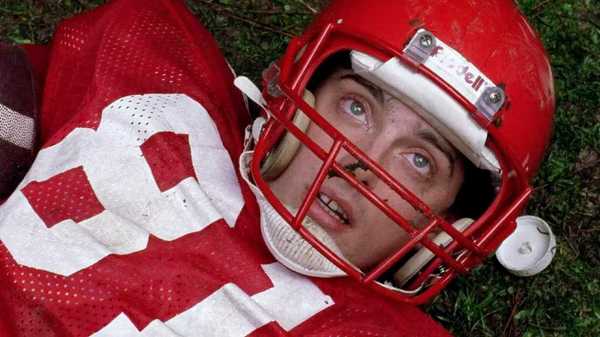
At times, actors mess up or straight-out forget their lines, and it makes for a good blooper. But sometimes, they just flat-out refuse to say their lines. Their character interpretation doesn’t agree with it, the line is awkward or offensive, or more often than not, it’s just a star being a star. Whatever the reasons, it does make for an interesting anecdote.
We might want to believe that everything said on screen comes from a writer’s pen or keyboard nowadays. Unfortunately (for writers), that’s not true. But it’s not always bad. Acting is a nuanced craft. Good actors don’t just recite their dialogue. When a line feels false, clumsy, or just something their character wouldn’t say, they chime in and give their two cents. Sometimes they change their minds, sometimes they don’t. If it leads to a conflict, studios mostly hush it up. But honestly, this is where true cinema is born.
The best actors, in a way, are the true proprietors of their characters. That’s why we say things like “Meryl Streep owns her characters.” That’s true. It’s a legit ownership. And that gives them the right to make these changes.
Here, we are going to see nine times actors (or just “stars” in them) refused to say their lines for artistic or personal reasons. You decide for yourself if their refusals/objections were valid or just tantrums.
9 Times Actors Refused to Say Their Lines
“I’m your baby, ain’t I?” (Sinners’ Holiday, 1930) - James Cagney

Sinners' Holiday, 1930
Credit: Warner Bros. Pictures
Written by: Robert Riskin | Directed by: John G. Adolfi
In this film, Harry Delano (James Cagney) is a novice bootlegger and a wannabe gangster. In a scene, Harry was supposed to say this line to his girlfriend. However, Cagney was cultivating his tough-talking antihero image and considered this line to be ridiculously mushy. He insisted that his rough-and-tough character would never utter these words and refused to say the line. This act solidified Cagney’s screen reputation as a man of action.
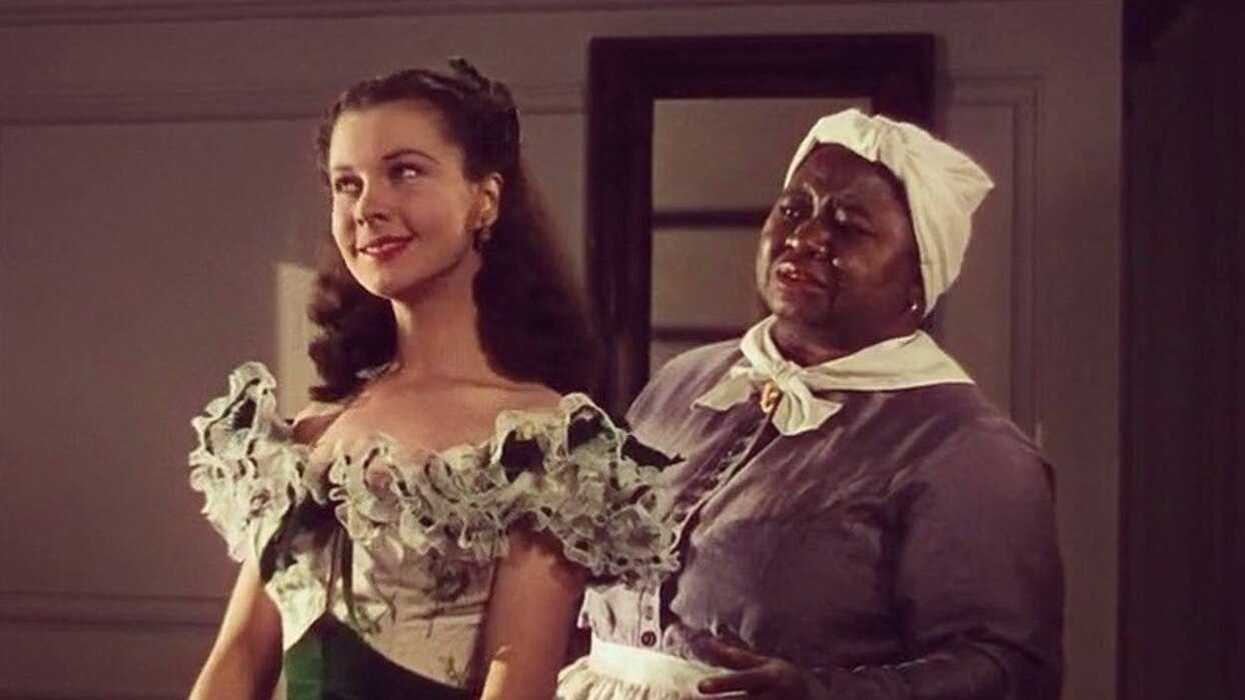
“(The N-word)” (Gone with the Wind, 1939) - Hattie McDaniel
 Gone with the Wind (1939)
Credit: Metro-Goldwyn-Mayer (MGM)
Written by: Sidney Howard | Directed by: Victor Fleming
In the movie, Hattie McDaniel’s character, Mammy, is that of an enslaved house servant. In a particular scene where she interacts with Scarlett O’Hara (Vivian Leigh), she was meant to use the N-word as a racial slur against herself. However, McDaniel, who later won an Oscar for this role, believed it reinforced harmful stereotypes. She took offense to the word and refused to use it, that too in a self-deprecatory way. This was perhaps the first time an actor of color challenged racially offensive material in a major Hollywood production.
“(Almost all scripted lines)” (Dracula, 1958) - Christopher Lee
 Dracula (1958)
Credit: Universal-International
Written by: Jimmy Sangster | Directed by: Terence Fisher
Christopher Lee wasn’t happy with the screenplay, which he thought made Dracula look much less threatening, even farcical. He believed a terrifying character such as this would work better with an eerie, silent presence. His conviction led to a version of Dracula who spoke very little. Lee instead conveyed the character’s menace entirely through imposing physical presence and piercing gaze.
“It’ll be better this time.” (The Way We Were, 1973) - Robert Redford
 The Way We Were (1973)
Credit: Columbia Pictures
Written by: Arthur Laurents | Directed by: Sydney Pollack
In the movie, Katie (Barbra Streisand) and Hubbell (Robert Redford) are college sweethearts who eventually lose touch. When they reconnect years later and get married, during an intimate scene, Hubbell was meant to say this line, indicating his character had failed in bed previously. Redford believed the line contradicted Hubbell’s confident, carefree appeal and his own standing as a leading man. He argued that Hubbell, and by extension Redford himself, would have no need to apologize for their performances in the bedroom.
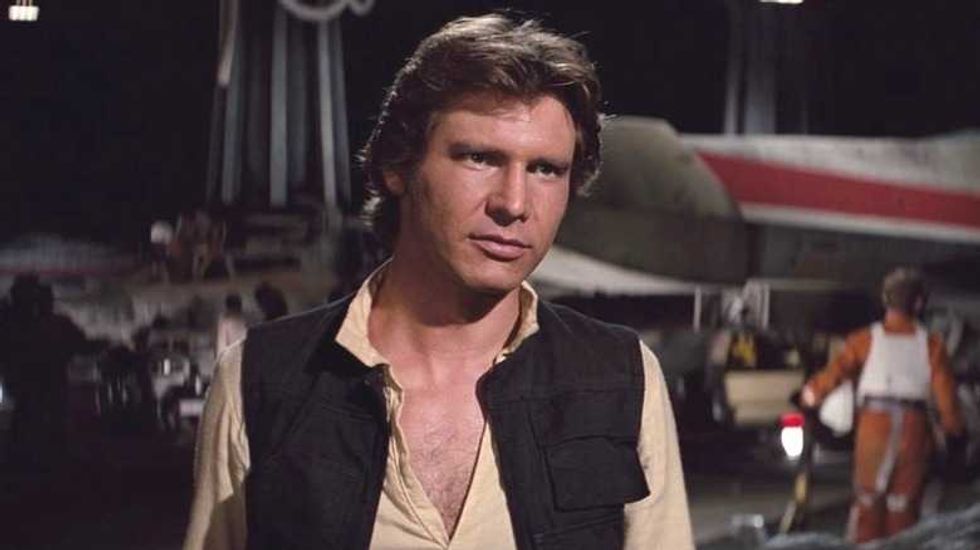
“I love you, too.” (The Empire Strikes Back, 1980) - Harrison Ford
 The Empire Strikes Back (1980)
Credit: 20th Century Fox
Written by: Leigh Brackett and Lawrence Kasdan | Directed by: Irvin Kershner
In a scene, right before Han Solo (Harrison Ford) is frozen in carbonite, Princess Leia (Carrie Fisher) confesses her love for him, and Han was meant to respond with this line. Ford believed this classic romantic line was too insincere for Han Solo’s cynical, rogue nature. He famously improvised the line, saying, “I know.” We must agree, “I know” perfectly captures Han’s swagger and provides a more memorable emotional beat than “I love you too.”
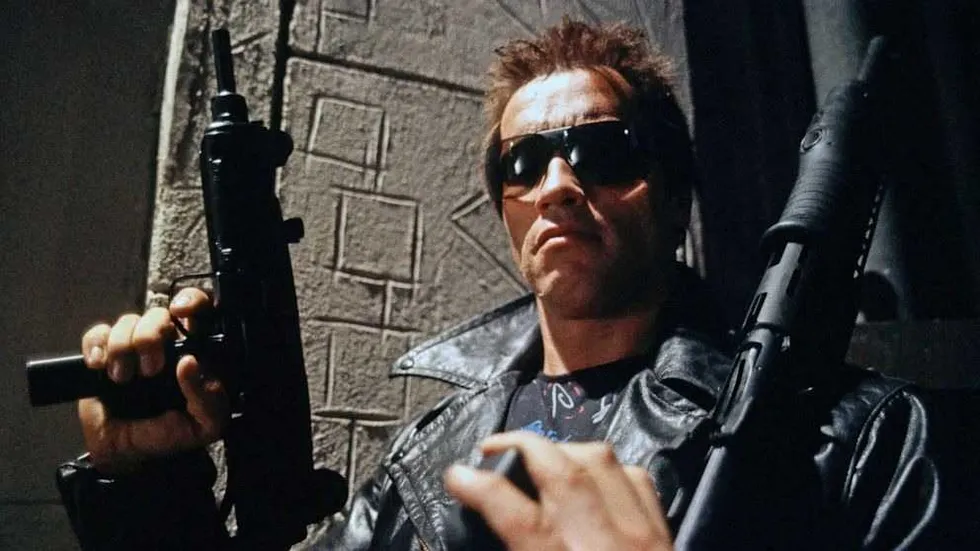
“I will be back.” (The Terminator, 1984) - Arnold Schwarzenegger
 Terminator 2: Judgment Day (1991)
Credit: TriStar Pictures
Written by: James Cameron and Gale Anne Hurd | Directed by: James Cameron
In the scene, T-800 (Arnold Schwarzenegger) inquires of a police sergeant about Sarah Connor (Linda Hamilton), and the officer dismissively asks him to wait. The original script had T-800 say, “I will be back.” Then he exits, only to return a moment later and unleash violent havoc. Schwarzenegger thought that the line was too formal and slow for a menacing humanoid cyborg who uses motion and speech sparingly. He wanted to replace the dialogue, but James Cameron stood his ground and instead made the line crisper—“I’ll be back.” The line instantly became iconic and turned into a globally recognized catchline.
“I’m the king of the world!” (Titanic, 1997) - Leonardo DiCaprio
 Titanic (1997)Credit: Paramount Pictures
Written by: James Cameron | Directed by: James Cameron
The line is iconic now, but when DiCaprio first read it, he thought it was silly, kinda loud, and theatrical. When Cameron insisted on keeping the line, DiCaprio tried to deliver it but struggled with its tone. Cameron encouraged him to commit fully and even shouted it himself to show how he wanted it to be done. Still unconvinced, DiCaprio did his best and put a cathartic energy into it. The line made history by becoming an Oscar-night quote and a defining moment of the film.
[All scripted lines] (Charlie’s Angels, 2000) - Crispin Glover
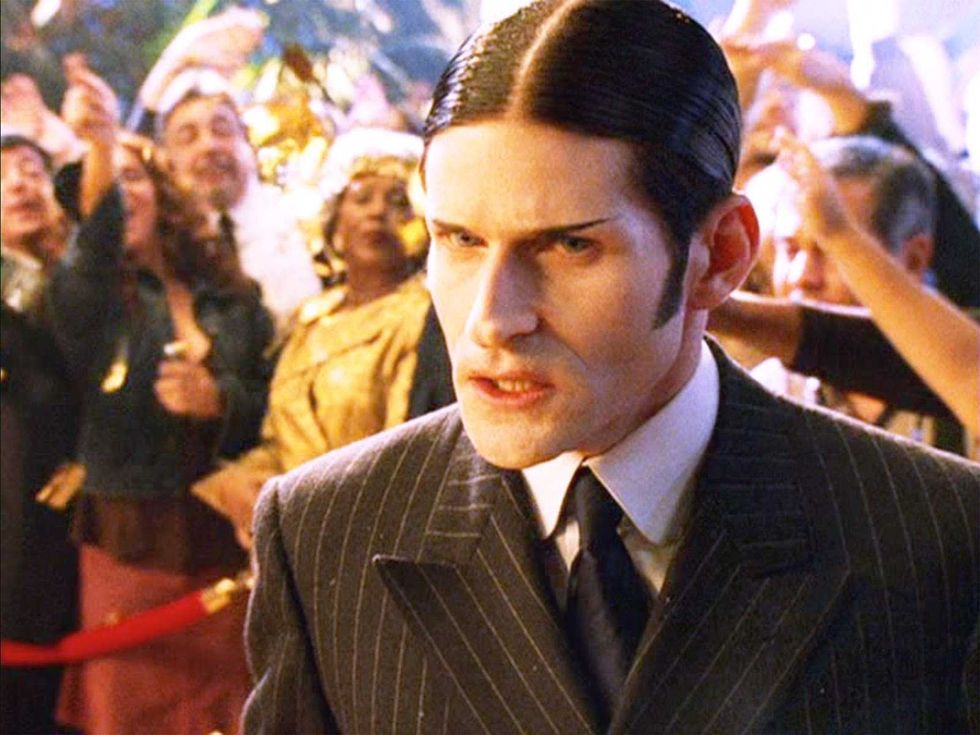 Charlie\u2019s Angels (2000)
Credit: Sony Pictures Releasing
Written by: Ryan Rowe, Ed Solomon, and John August | Directed by: McG
The Thin Man (Crispin Glover) is one of the memorable characters from Charlie’s Angels. He stands apart because he doesn’t say anything. He only makes noises. But, in the original script, the Thin Man had various lines of dialogue. Glover felt the lines were poorly written and distracting. He argued that his character’s villainous, unsettling, bizarre nature would be amplified by silence. Ultimately, he was successful at pushing for the character to remain mute throughout the film. The trick worked. The Thin Man turned out to be a visually striking, wordless phantom of menace.
"What’s next?” (The Avengers, 2012) - Robert Downey Jr.
 The Avengers (2012)
Credit: Walt Disney Studios Motion Pictures
Written by: Joss Whedon | Directed by: Joss Whedon
As we all know now, The Avengers ends with the heroes defeating the Chitauri invasion and then going for shawarma. The original script, however, had Tony Stark (Robert Downey Jr.) ask, “What’s next?” Downey Jr. thought the line was too flat and uninteresting for a witty, cynical character like Stark. He insisted on a more satisfying, character-specific line. The final result was his improvised line, where he mentions going to a shawarma joint. The movie ends with a funny, grounded, and perfect post-battle sign-off.
- The Movie That Sunk Titanic — And Broke the Box Office ›
- Titanic's Most Famous Line Was Never in the Script | No Film School ›
- 7 Classic Hollywood Quotes That Broke the Hays Code ›
- When a Kiss Changed Cinema: 11 Iconic Moments ›
- This Goodbye Line Remains One of Cinema’s Greatest Mic Drops ›
- Decoding The Line That Turned Defeat Into Defiance in 'Gone With ... ›
- The Uncanny Power of Famous Actors' Final On-Screen Lines | No Film School ›