Decoding The Line That Turned Defeat Into Defiance in ‘Gone With The Wind’
The quote is much like the epilogue to the narrative.
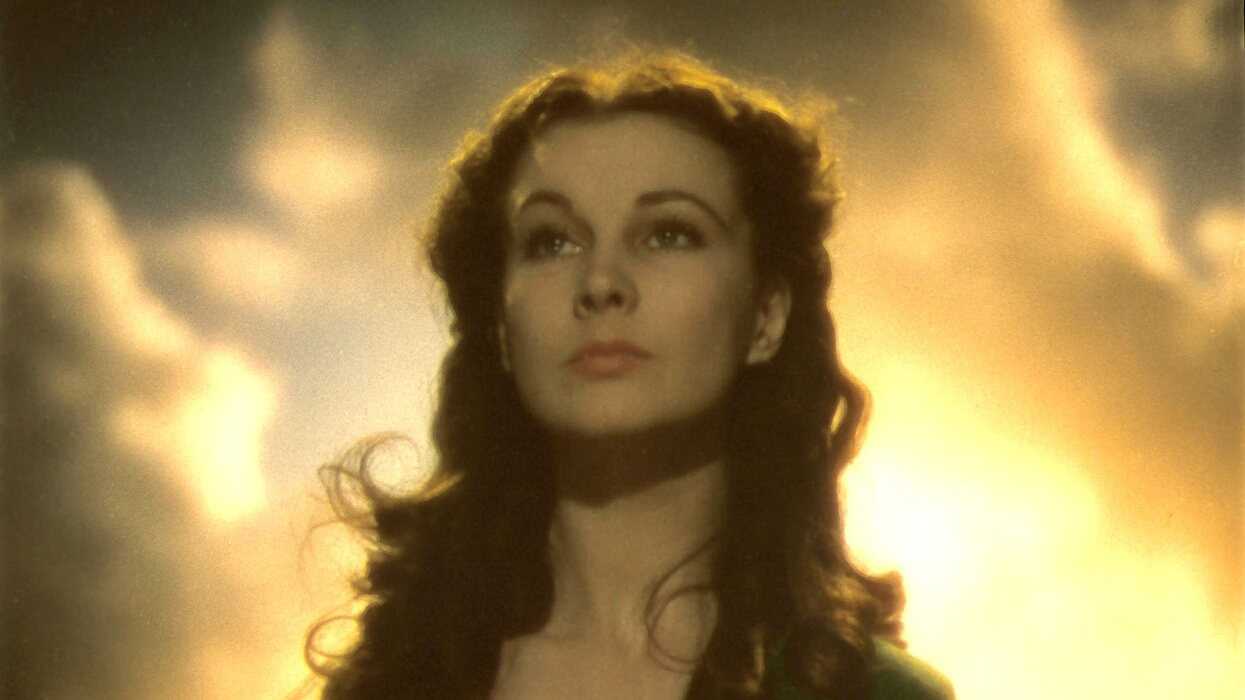
Gone With The Wind (1939)
I don’t know about you, but Gone With the Wind deeply resonated with me because of how flawed Scarlett was. Female characters are usually either portrayed as the damsel in distress or the “badass bitch” —Scarlett is neither. Beginning to end, she commits one mistake after another (rather stubborn decisions). However, she may try to justify them; there’s no way that the collateral damage can be ignored. Yet, by the end, like any of us, she hopes for mercy, giving her all to turn her defeat into defiance.
In this article, we analyze “After all, tomorrow is another day” —Scarlett’s iconic line that closes Gone with the Wind.
Story and Themes
Set against the backdrop of the American Civil War, Gone with the Wind follows Scarlett O’Hara (Vivien Leigh) as she chases her infatuation with Ashley Wilkes (Leslie Howard), blindly, until she loses everything to her obsession and the ongoing war. At the same time, the movie also traces Scarlett’s resilience as she toils hard to rebuild her ancestral plantation in Tara, Georgia, in the face of the war.
Through Scarlett’s impulsive journey of life and pursuit of redemption, Gone with the Wind explores complex themes, with its main focus on the transformation of Southern society and the feud between traditions and their evolution. That being said, oftentimes, the narrative’s depiction of race is criticized for being too simplistic or naive.
The Scene
Ashley’s confession after his wife Melanie’s death, that she was his real true love and not Scarlett, opens Scarlett’s eyes, as she feels what true love is for the first time. At first, she is angry, but soon, she is able to see through the fog and how she has been chasing an obsession all these years. In reality, even she didn’t love Ashley the way she thought she did. That’s when she understands that Rhett (Clark Gable), her now husband, has been her one true love all along—the man who’s been there for her in the times she needed someone the most. But by then, it is too late.
Rhett overhears Scarlett and Ashley’s conversation. Heartbroken and disappointed by Scarlett’s betrayal once again (this time, after the untimely demise of their child, Bonnie), Rhett makes up his mind to leave Scarlett for good. A grieving father who’s recently lost his kid to an accident, and a grieving husband who’s seemingly lost his wife to her old lover, Rhett, is convinced to leave this miserable life behind. Despite Scarlett’s tears and begging, Rhett leaves her.
After Rhett rejects her, Scarlett rushes back home in tears, crying uncontrollably as she collapses on the staircase. With practically no one in her life anymore, she feels lost for a purpose. As she sobs, she can hear the voices of her loved ones, reminding her of her true purpose–her motherland, Tara.
Scarlett finds hope in the dark. She gathers herself as she declares that she will go back to Tara in Georgia to rebuild the county while she tries to win Rhett back. “After all, tomorrow is another day,” exclaims Scarlett. Her eyes tell us that she is a changed person—someone who is now well aware of the wreckage of the past and is ready to take accountability for her actions.
Decoding the Emotions Behind “After All, Tomorrow Is Another Day”
Quite literally, the line is the simplest reminder of hope. But, in Scarlett’s context, it’s something a little bigger than that. It’s defiance of her fate. It is like reminding yourself not to give up. It’s interesting how in the first watch, the line seems to highlight Scarlett’s evolution when in fact, it’s highlighting her core personality—relentless determination, when she sets her mind to something, and her fearlessness. Only this time, she will be doing it for the right reasons.
Much like obsession, war ruins everything. As it joins Scarlett’s redemption to a bigger purpose, i.e., rebuilding a war-torn Tara to its former days of glory, the line gently underscores the American spirit of nationalism.
What are your other favorite quotes by Scarlett in Gone with the Wind?
- 8 Iconic Movie Lines That Became Everyday Expressions ›
- What Are The 100 Most Famous Movie Quotes Of All Time? ›
- The Sweet Story Behind One of 'The Godfather's' Most Famous Lines ›
- 9 Times Actors Flat-Out Refused to Deliver Their Lines ›
- 8 Legendary Movie Scenes That Survived Studio Interference ›
- Scarlett O’Hara’s “I’ll Never Be Hungry Again” Promise in ‘Gone With the Wind’ (1939) ›