The Best Film Directors of the 1960s
The works of these artists still dominate the zeitgeist today.
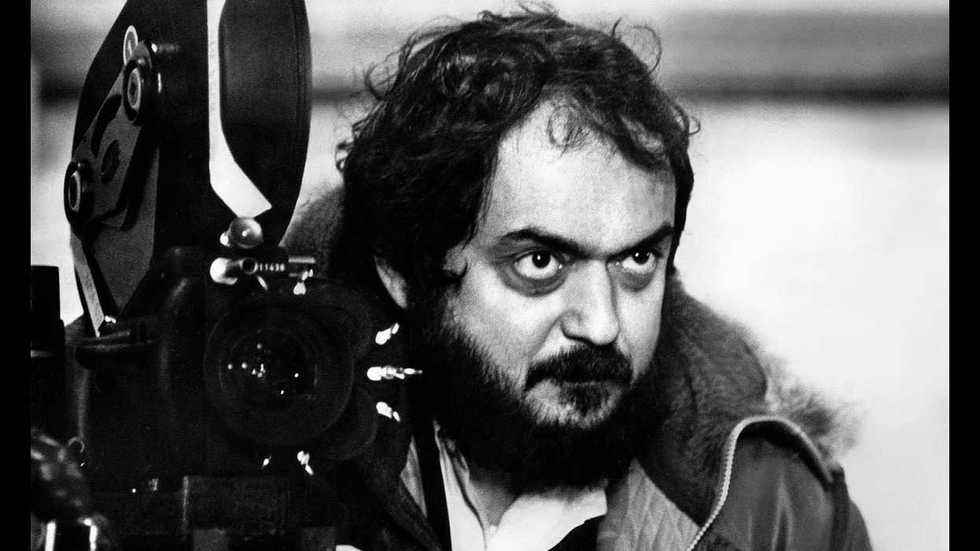
Stanley Kubrick
The 1960s in cinema was a time defined by various cultural shifts. More singular, conscientious auteurs were entering the mix, and films felt less legal and cultural restrictions to depict the subject matters that they wanted without some form of repercussions. The decade saw both the birth and the dominance of several artists that the modern landscape considers to be the greatest of all time. Here are some of those filmmakers.
4 Directors Who Defined Cinema in the 1960s
Stanley Kubrick
Stanley Kubrick was already somewhat of a well-known figure by the 1960s. In particular, his 1957 war tragedy Paths of Glory is thought by many to be his first of many masterpieces. However, the four films that Kubrick directed in the 1960s are the ones that cemented his status as a filmmaker who was not to be underestimated.
His historical epic, Spartacus, starring Kirk Douglas, proved that his talents lay far beyond the more intimate side of grandiose stories like Paths of Glory, and that large-scale action was still in his wheelhouse. His controversial adaptation of the even more controversial novel, Lolita, proved his utter fearlessness as a filmmaker ready to tackle even the most taboo of subjects. His biting comedic satire, Dr. Strangelove or: How I Learned to Stop Worrying and Love the Bomb, remains foundational to this day as both a political and social satire with timeless humor and drama. Finally, the film of his that needs the least introduction: 1968’s 2001: A Space Odyssey remains by many scholars and historians today, the greatest science fiction film of all time.
Alfred Hitchcock
Alfred Hitchcock was already a titan of the suspense genre by the time the 60s rolled around. With over 3 dozen films already under his belt, with many of them being hailed as all timers still to this day, he entered the decade with yet another of the most important, influential works of all time: the horror/suspense classic, Psycho. His follow-up, the Tippi Hedren-led horror film The Birds in 1963, proves almost equally as iconic, if not infamous, for the well-documented abuse Hitchcock inflicted on the actress throughout production.
Given Hitchcock’s status prior to the 1960s, and the otherworldly success of those two films, he was able to coast for the remainder of the decade, and his short-lived time in the 70s with his last two films relatively easily. He never quite reached the height of The Birds again, although Frenzy in 1972 has since developed a pretty loyal cult following.
Jean-Luc Goddard
The creator and spearhead for the French New Wave movement, Jean-Luc Godard is a filmmaker who is widely revered in film culture circles, but outside of that bubble, isn’t always properly recognized for the work he did for the medium.
Originally a film critic, the Swiss filmmaker revolutionized the medium in 1960 when he released Breathless. The film pioneered the editing field with its new and revolutionary utilization of the jump cut throughout conversations and conflicts. Due to the lack of international cinema accessibility at the time, it is often considered by critics and academics to be one of the most important international films in history to have made it to the United States, as its editing style became highly influential even beyond French cinema.
Goddard went on to release several other films in the 60s that remain milestones today, and often make “best of all time” critic and scholar lists. Films like Vivre Sa Vie, Contempt, Alphaville, Pierrot Le Fou, and Masculin Féminin still dominate film academicism and remain easily accessible for viewers today. And that only partially covers his filmography up until 1966!
Ingmar Bergman
One of the most productive filmmakers of all time, Ingmar Bergman, released over 60 films throughout his career, sometimes averaging over one per year in certain eras. In the 60s alone, the Swedish filmmaker is credited with directing fifteen films.
Bergman’s films are cited as being profoundly personal to the artist, who famously wrote his screenplays in almost complete solitude every year. Many dabble in surrealism with perhaps his most famous work, Persona, having a profound influence on future surrealist filmmakers like David Lynch. From 1961 onward, the vast majority of his films were shot on the island of Faro, and his final film was released posthumously in 2007, despite being filmed in 2000. Saraband was his last chronologically filmed film, released in 2003.
Throughout his career, he earned three Academy Awards in the International Feature category, as well as an Irving G. Thalberg Memorial Award. The 2012 edition of Sight and Sound’s greatest films of all time included four entries from the director’s filmography, with the only entry from the 60s being Persona. Other key works of Bergman’s from the 60s include The Virgin Spring, Through a Glass Darkly, Shame, and The Passion of Anna.
While a lot of the stylistic and thematic sentiments of 1960s cinema were more thoroughly fleshed out in the succeeding decade with the rise of more cynical worldviews, the 1960s continue to offer a time capsule into a slightly more freeing artistic landscape. The more fluid room to experiment and play behind the camera allowed these filmmakers and many others to flourish in the '60s and advance cinema forward beyond anyone’s expectations.