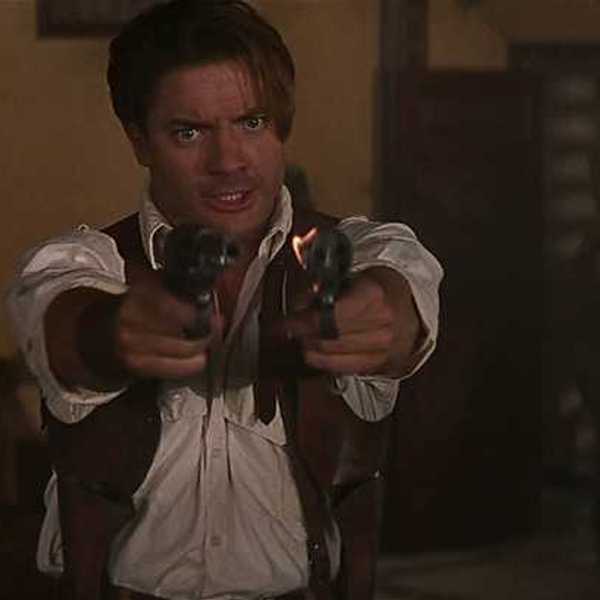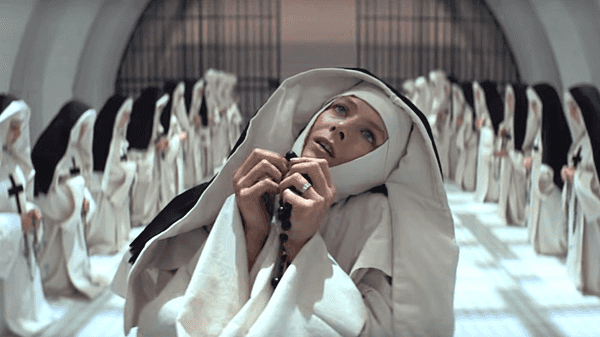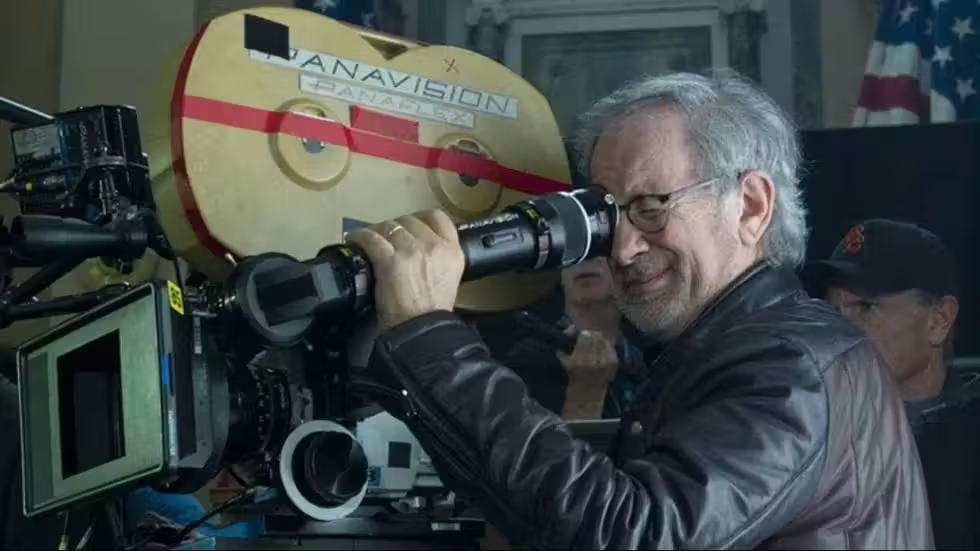
The 1980s as a decade is one that is traditionally criticized by many scholars and historians for having too much of a focus on overly-commercialized forms of entertainment. Similar to the 2010s, it faces backlash for too many hokey blockbusters, sequels, and reboots. Especially in comparison to the decade prior and the decade after. Despite the undeniable rise of larger-scale filmmaking in the 80s, a lot of those filmmakers were pioneers of the medium, bringing us films that are still important to us all today. Let’s talk about a few of those filmmakers who aren’t Steven Spielberg.
1. John Carpenter
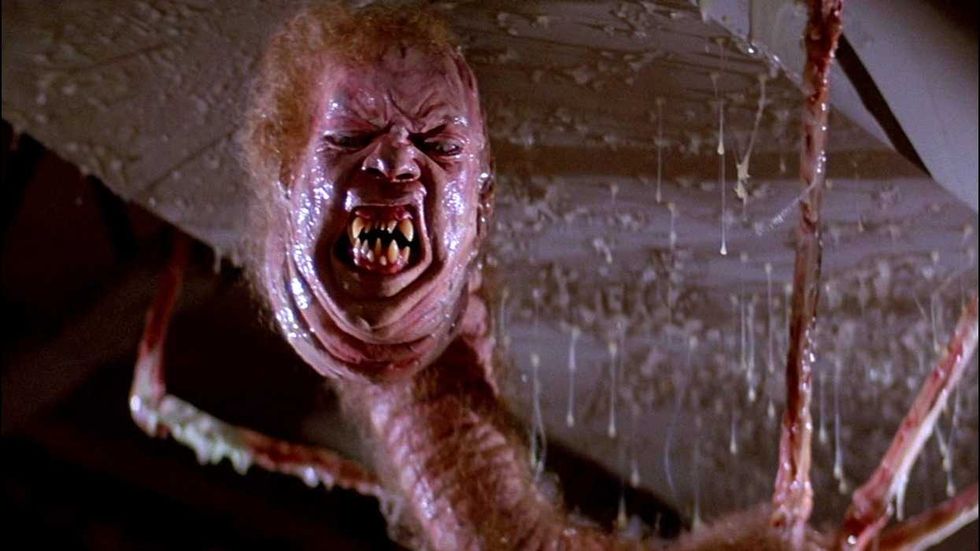 ‘The Thing’Credit: Universal Pictures
A titan of the horror genre, John Carpenter had a whopping 8 films released in the 1980s, with nearly all of them standing the test of time. His films are often cited as having some of the most groundbreaking practical effects in the history of the medium, with his most famous film of the decade, The Thing, creating many of his most iconic looks.
Already an established director by his 1980 film, The Fog, through his moderately successful film Assault on Precinct 13, and the horror landmark film Halloween, the '80s were Carpenter’s decade of his creative success wave to the best of his ability.
In addition to his accomplishments as a director, Carpenter also scored the music for nearly all of his films, with the only exception in the 1980s being Starman, which was scored by Jack Nitzsche. Despite the status of many of his works, like The Thing and Big Trouble in Little China, the vast majority of his films throughout his career turned out to be box office failures, only picking up their loyal fanbases several years later.
Carpenter’s Films From the '80s
- The Fog (1980)
- Escape From New York (1981)
- The Thing (1982)
- Christine (1983)
- Starman (1984)
- Big Trouble in Little China (1986)
- Prince of Darkness (1987)
- They Live (1988)
2. Martin Scorsese
Recent AI startup controversy aside, you could argue that Martin Scorsese is one of the most important directors of any decade that he’s been working in since the 1970s. Similarly to John Carpenter, while Scorsese heavily came up and established himself in the 70s, the 80s were a really dominant decade for him. He released 5 feature films in the 80s, in addition to directing the now iconic music video for Michael Jackson’s Bad.
A filmmaker often obsessed by thematics involving religion and the moral psyches of complicated, often deeply flawed characters, his exploration of these topics really came into their own in the 80s. What is now seen as a trope with his work was constructed before the audience’s very eyes throughout this era.
Another similarity between Scorsese and Carpenter was the trend of box office failures. Despite the critical acclaim and general reverence films like The King of Comedy and After Hours hold in 2026, they were considered failures upon release. As a result, Scorsese was certainly not a stranger to “for hire” jobs like his 1986 sequel to The Hustler, The Color of Money, starring Paul Newman and Tom Cruise. The film was completed on time, under budget, and was released to a solid critical and financial reception, allowing him to continue making the films he was most passionate about.
Scorsese’s Films From the '80s
- Raging Bull (1980)
- The King of Comedy (1982)
- After Hours (1985)
- The Color of Money (1986)
- The Last Temptation of Christ (1988)
3. David Lynch
When you think of modern surrealism, your mind will likely automatically go straight to David Lynch. A filmmaker who prioritised his artistic freedoms above all else, David Lynch experienced a brief spout of blockbuster, studio filmmaking with his adaptation of Dune in 1984, but aside from that experience, he made films that felt entirely singular to his vision.
His style and tone are often thought so unattainable that any time it is imitated in the modern landscape, said works are often referred to as “Lynchian” in nature; a sort of uncanny valley-esque terminology for works that come close to capturing the uneasiness of Lynch’s work, but can never quite get there.
Lynch directed three feature films in the 1980s, as well as the pilot of the landmark television series Twin Peaks, which spanned two initial seasons, a prequel film, and a third return season in 2017.
Lynch’s films were far from universal crowd-pleasers, especially in the 1980s, with many of his most famous works from that time and beyond experiencing a peak in their popularity several years, and sometimes decades, after their initial release. If there is a theme to today’s article, it's that a lot of the time, the finest artists are ahead of the curve.
Lynch’s Films From the '80s
- The Elephant Man (1980)
- Dune (1984)
- Blue Velvet (1986)
- Twin Peaks (1989)
- Icons of an Era: 9 Actors Who Dominated the ‘80s ›
- The 8 Best Westerns of the ‘80s: Ranked ›
- 10 Most Iconic “Vaporwave” Movies of the ‘80s ›
- ’80s Movies: The Ultimate 18 Films of the Decade ›
- Most Rewatchable Movies of Every Year of the 1980s ›
- Best '80s Movies: The Ultimate 10 Films of the Decade ›
- 20 Directors Behind the Greatest Movies of the 1970s ›