The Quiet Truth Hidden in an Iconic ‘Unforgiven’ Line
A powerful quote about the inevitability of age.
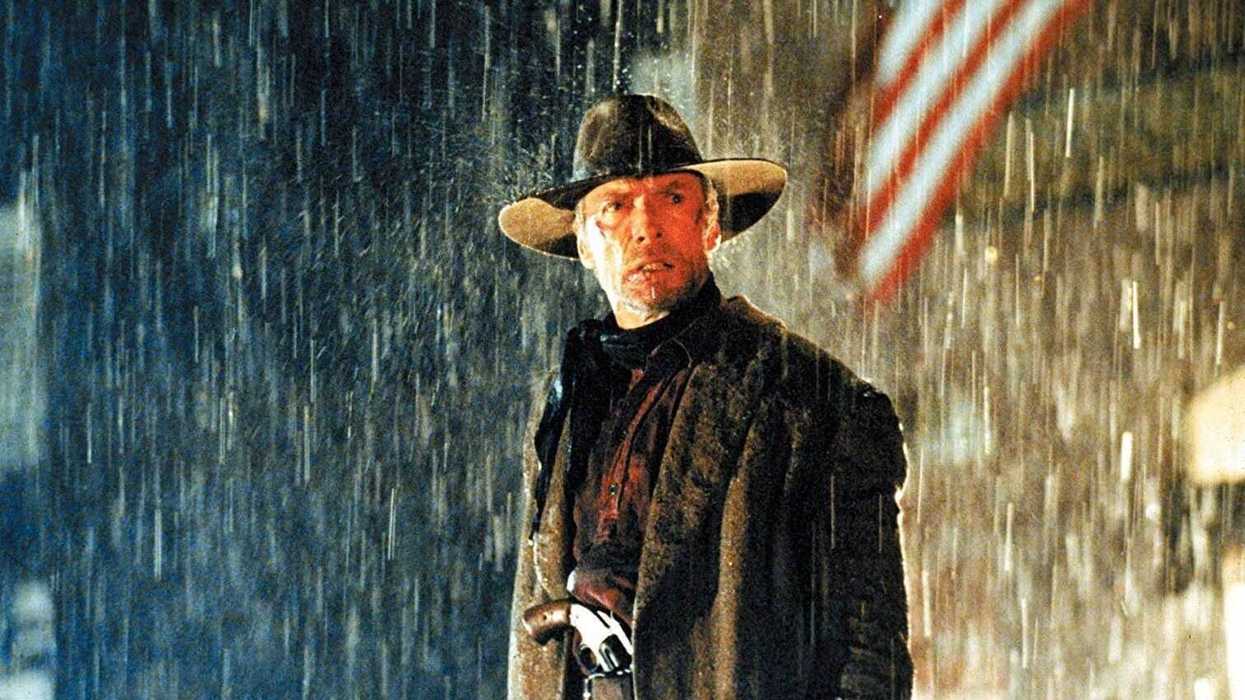
'Unforgiven' (1992)
Clint Eastwood’s Unforgiven (1992) is far from a regular revisionist Western. It is a quiet meditation on aging, regret, and the various philosophical views built around violence.
"When a man gets to a certain age, there’s nothin’ left to do but to face the truth,” is one of the most understated yet powerful lines from the movie. Delivered by Eastwood’s William Munny with relentless charisma, the line crystallizes the movie’s meditative nature.
Unlike many other Westerns that came before it, Unforgiven feels like a deeper, more reflective work built on moments like this one. The film doesn’t glorify gunslingers; it tries to examine what happens when a man with a violent history is forced to confront his past.
So, what does this line say about the inevitability of life? What can we learn from it?
Let’s jump right in and explore.
How The Line Captures Life’s Inevitability
"When a man gets to a certain age, there’s nothin’ left to do but to face the truth,” is a line William Munny says during a quiet moment when he reflects on the life he used to live. His words offer a soft but poignant reminder of how his brutal past continues to follow him. However, the line also hides a quiet truth about life’s inevitable consequences. Let’s examine how.
In Unforgiven, one of the strongest themes is the inevitability of facing one’s past. This quote lands with the weight of a hard-lived life. According to Munny, by the time a man reaches “a certain age,” his body slows down, and old reasoning begins to wear thin.
Munny’s line does not disregard aging. In fact, it embraces the very idea of getting older by highlighting the fact that when a person reaches a certain age, they are forced to confront the truth. “The truth”, here, does not refer to one single entity but a collection of things people choose not to face. When Munny says, “there’s nothin’ left to do but to face the truth”, he talks about the inevitability of confronting reality. According to him, one simply cannot run away from their past when they reach a certain point in their life.
Unlike many other Westerns, Eastwood’s film refuses to focus on the romantic notions of violence but instead chooses a reflective approach to the nature of gunfighting. Munny’s line is as much about the inevitability of life as it is about dismantling the glorification of aggression, which was a staple in movies that represented the Old West.
What This Quote Reveals About Confronting The Truth
One of the most overlooked aspects of the line, "When a man gets to a certain age, there’s nothin’ left to do but to face the truth,” is its honesty. At its core, Munny’s words talk about human surrender, but not in the way we are used to in movies. To Munny, aging is about surrendering to the truth, which inevitably includes one’s past.
The line acts as a mirror that a man with a violent history is compelled to look at, even if he does not want to. Munny knows he cannot escape the life he has lived before; in fact, he thinks, at his age, he must face every act he has performed in the past with sheer willingness. Not doing so would be escapist, and according to him, reaching a certain age does not give a person an opportunity to escape the past.
Munny’s quote reminds us that every scar, literal and figurative, has a story, and none of these stories can be overlooked. Every action, no matter how small or big, how recent or old, has consequences. According to him, “a certain age” marks a point at which honesty becomes unavoidable.
This quote is one of the most powerful lines from the movie because it perfectly captures the film’s core emotional motivation: the inescapability of one’s past.
Lessons From An Iconic Line
The line, "When a man gets to a certain age, there’s nothin’ left to do but to face the truth,” carries plenty of lessons for writers. Here are three important ones.
Capturing The Essence Of Age
When it comes to aging, the line does a remarkable job of capturing its essence by not presenting “automatic wisdom” but rather, clarity one cannot ignore. This is an important distinction because it highlights the vulnerability of age without overemphasizing.
Honest Human Emotions In A Genre Film
It is not to say that Westerns don’t show honest human emotions, but the fact that Unforgiven explores these aspects with poignancy and patience makes it stand out. William Munny’s reflections don’t come across as far-fetched but rather in line with how a regular person would look back on their life.
Thematic Relevance
Clint Eastwood’s film remains fully aware of its thematic strengths and quietly leverages them through dialogue and action, in a different way every time. It is a fascinating manifestation of the idea of how truth only grows louder over time.
Summing It Up
William Munny’s line, “When a man gets to a certain age, there’s nothin’ left to do but face the truth,” is hauntingly relevant even today. While the movie might be a Western, its core themes remain universally engaging and thought-provoking. The film’s exploration of past guilt is one of the strongest examinations of life’s inevitability in modern cinema.
Which is your favorite Clint Eastwood film of all time? Tell us in the comments below.
- 8 Quotes That Prove ‘Unforgiven’ Is the Ultimate Deconstructed Western ›
- This Brutal Line From ‘Unforgiven’ Is One of the Most Honest Moments in Cinema History ›
- The Shot In ‘Unforgiven’ That Changed the Western Genre Forever ›
- 'Unforgiven' 25 Years Later: 5 Ways Eastwood Masterfully Deconstructed the Western ›
- 'Unforgiven' Does This One Goofy Small Thing That's Completely Genius ›
- Why This One Line in ‘Unforgiven’ Shattered the Western Myth Forever ›
- Why Clint Eastwood Cut the Original Final Scene of ‘Unforgiven’ ›
- The Brutal ‘Unforgiven’ Scene That Completely Destroys English Bob ›