The Child, the Legend, and the Line That Broke Baseball’s Heart
When a young fan’s plea to Shoeless Joe symbolized the death of trust, innocence, and hero worship in American sports.
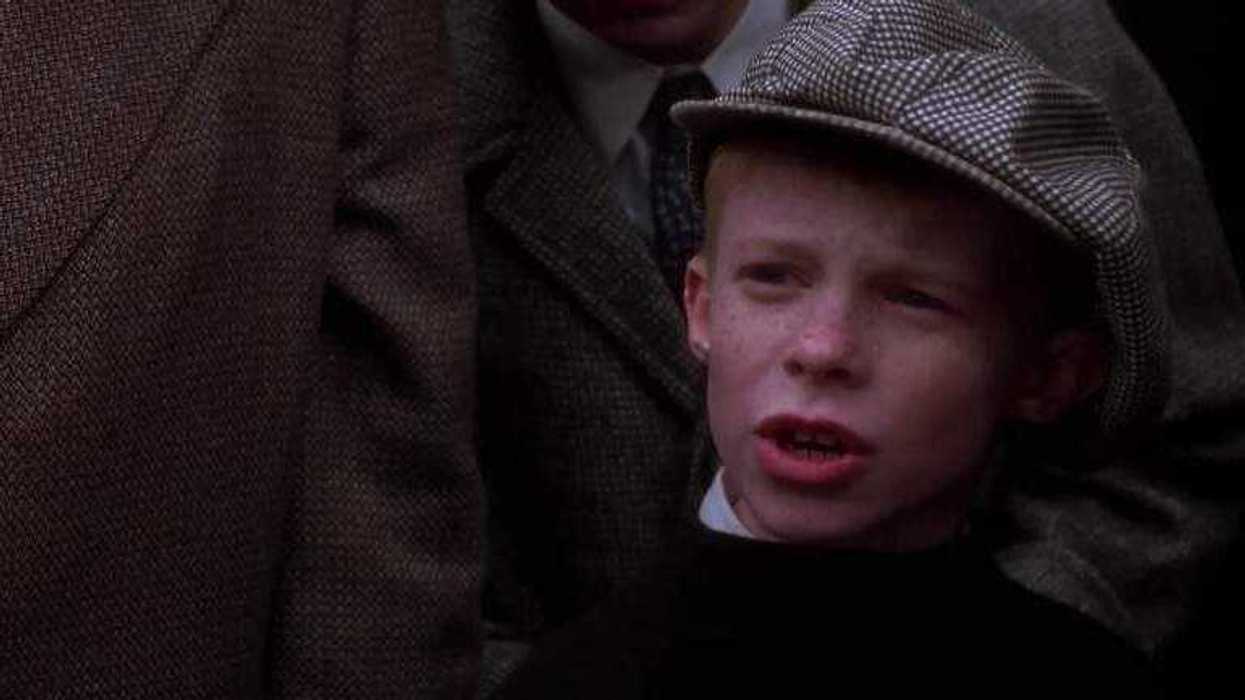
Eight Men Out (1988)
Baseball has always been a central part of American culture. In the early 20th century, it was more than that; it was a belief system. People, especially kids, didn’t see baseball players as just athletes. They saw them as living embodiments of their dreams. And “Shoeless Joe” Jackson was one of their brightest dreams.
That’s why the 1919 World Series, and especially the “Black Sox Scandal,” was a piercing jab in the heart of American idolatry. Eight Men Out (1988) captures this saga, and what stands out in it is one single moment where an anguished young fan urges his (fallen) hero to assure him he is still a hero:
“Say it ain’t so, Joe.”
That moment, when the kid desperately clings to his optimism to keep his dream alive, is the highest (and the lowest) point of the movie.
This is one of those downfall stories where we look at our hero and see a human being instead.
The Scandal in Context
Before we dive into the scene, let’s explore the real-life context. To understand the emotional impact of the scene, we need to comprehend why this scandal had the power to cause a national heartbreak.
In the 1919 World Series, the Chicago White Sox (CWS)—the 1917 world champions—were the fan favorite to win the series. But they lost, and, upon investigation, it was discovered that eight members of the CWS team were involved in intentionally “throwing the match” in exchange for payments from a betting syndicate. The scandal caused outrage and raised questions about the legitimacy of the sport.
“Shoeless Joe” Jackson was widely admired for his respectable disposition: natural grace, quiet and poised demeanor, and humility. So, when his name was involved in the scandal, it was quite a shock. Regardless of whether he was involved voluntarily or involuntarily, it still blurred the line between betrayal and tragedy. The sting of the scandal was made more piercing because of Shoeless Joe’s clean image.
At a time when baseball was a symbol of honesty and patriotism, the scandal weakened people’s belief that greatness was based on integrity. Its “heaven of morality” image was broken.
The Scene
The scene is a simple courthouse confrontation. After signing on as a witness against the gamblers, Joe faces reporters and fans outside the courthouse. As everyone scuttles around to learn the details and technicalities of Joe’s involvement and its judicial implications, one boy’s voice stands out. Everyone turns. The boy, too young to understand the technicality and legality of the matter, has a simple, very personal request. He just wants Joe to say he is clean. That he is still the Joe the boy aspired to be.
“Say it ain’t so, Joe.”
Joe looks down and, unable to witness the innocent dream that he has crushed, hastily leaves. The heartbreak is complete.
Cinematic Vision
Eight Men Out focuses more on capturing the emotional fallout of the scandal and internal conflicts than on the scandalous aspects, such as courtroom drama. Director John Sayles maintains a somber, realistic vibe. The grainy footage adds to the grimness of the moment.
The movie is not so much a redemption story as it is about the gradual deterioration of trust among the players as well as between the players and their fans. Like the other characters, none of whom are portrayed as black-and-white, Joe Jackson also comes across as someone who is torn between helplessness and guilt.
The scene embodies the movie’s emotional thesis: the irreversible loss of the public trust. The boy is a stand-in for every American who longs for the time when heroes were incorruptible.
Fact vs. Fiction
Regardless of its potency, the scene is a narrative add-on. There is no reliable record of a young boy accosting Joe Jackson, or any player for that matter. It was most likely a journalistic creation, which aimed more to capture the sentiment than to provide facts.
The legend, however, endures because it is better, in a sense more poignant, than the reality. The actual scandal was messy. Jackson never admitted he was involved in the scandal. The fabled quote takes out these muddled nuances to one universal sentiment: a child’s disappointment.
Conclusion
The scene has no spectacle, but it still lingers. That’s because it depicts the moment when a fan bypasses the truth and starts questioning belief itself. This is the moment when an idol stops being a myth and becomes a mirror that reflects the dangers of naive adulation.
This is the moment when a child lost his hero and also lost his privilege of believing that heroes don’t fall.
- What Are the Most Misquoted Movie Lines Of All Time? | No Film ... ›
- Explore the Drama Genre in Film and Television | No Film School ›
- 10 Made-Up Movie Sports You Wish Were Included in the Olympics ... ›
- A Giant List of Sports Movie Writing Prompts | No Film School ›
- Does Hollywood Know What to Do with You? | No Film School ›
- How to Be A Hollywood Assistant in Film and TV | No Film School ›
- What The Hell Is Happening in Hollywood Right Now? | No Film ... ›
- Home Runs & Heartbreak: 8 Best Baseball Movies Ever Made | No ... ›
- 10 Highest-Grossing Sports Movies of All Time: A New Champion ›
- The ‘Coach Carter’ Speech: Unpacking “Our Deepest Fear” ›
- “How Drunk is Drunk Enough?”—‘The Legend of Bagger Vance’ ›