Slashers dominated American horror films in the 1980s, and not even lazy ripoffs could fizzle the subgenre out for long. It would be resurrected with nostalgic legacy sequels and reinvented with meta commentary, or with another original twist. But what goes into making an effective slasher?
Typically, the classic formula will go something like this: a group of friends is hunted down by a killer, who is wearing a unique costume or using a unique weapon; it might be set on a holiday, with practical effects for the gory deaths, and someone in the group will be the last one standing to confront the killer. But there is something else that should be a must-have in this subgenre. A chase sequence that builds tension to an anxiety-inducing level, which a jump scare or a swift character death cannot match.
For all the horror fans and slasher-loving filmmakers out there, learn from the classics that did it best in the staging, filming, and even the sounds used in the slasher chase to make it thrilling and scary. Maybe you will be inspired to make your own and keep the tradition going.
Suspense in the Screenplay
A slasher chase is a set piece that can incite a strong reaction from the audience. Its effectiveness can be similar to the filmmaking advice by director Alfred Hitchcock on the difference between giving people a surprise, which is temporary, and giving them suspense, which is drawn out. The latter is what a slasher chase sequence can do so well, and it starts with laying down the groundwork on the page.
 ‘I Know What You Did Last Summer’ (1997)Credit: Columbia Pictures
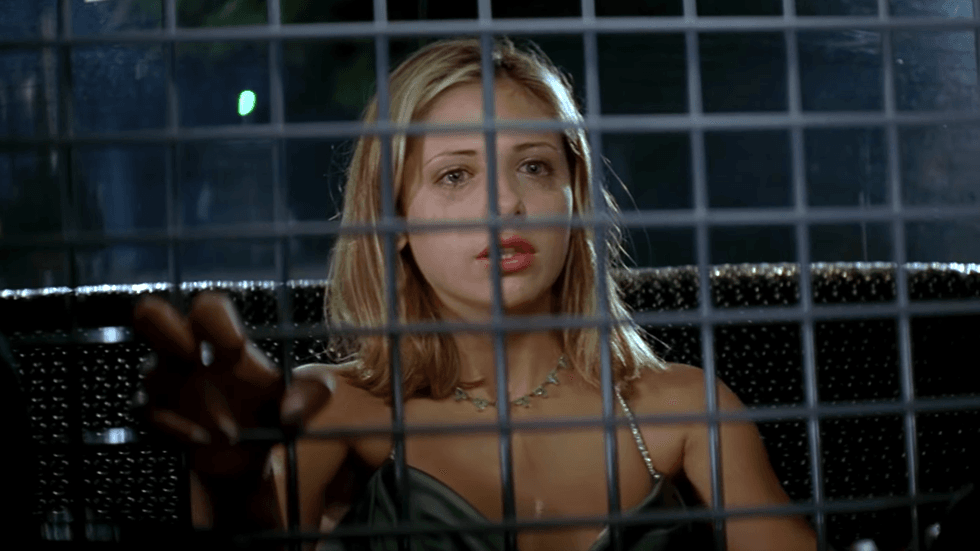
Kevin Williamson’s script for I Know What You Did Last Summer (1997) is a great read to see, before anything is put on the screen, how suspenseful the famous chase is between the Fisherman and Helen Shivers (Sarah Michelle Gellar). The action lines are brisk from pages 95 to 100, with constant obstacles that Helen must overcome to get to safety, and vivid prose to capture her emotional state.
One passage reads: “Helen races down the alley, burning it out. Feet POUNDING. She SCREAMS WILDLY to no one.” Williamson does a good job of describing Helen’s panic without it sounding repetitive, while contrasting it with the Fisherman, who is described as being “calm” in his pursuit of her. The writing is full of dread, but the set piece intensifies with the cinematic ingredients added in.
Bring Danger Into an Ordinary Location
 ‘I Know What You Did Last Summer’ (1997)Credit: Columbia Pictures
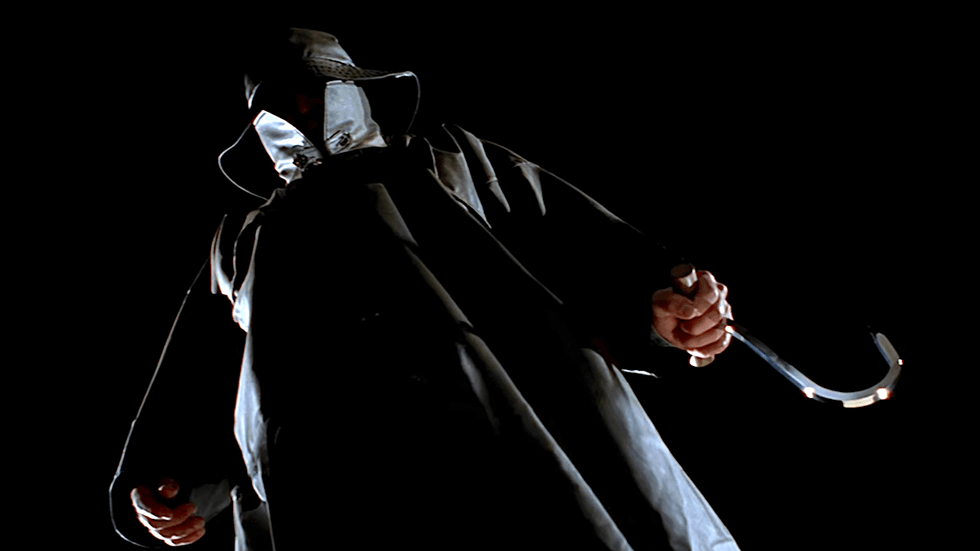
The central setting for the chase in IKWYDLS is a department store, and the after-hours environment is eerie, with large shadows cast from ceiling fans and music playing low over the speakers. Then comes a deafening quiet when the Fisherman shuts off the music and turns off the lights, leaving Helen to be surrounded by the silhouettes of mannequins.
According to the making-of featurette for IKWYDLS, the store was a real location, and it had a pulley elevator that director Jim Gillespie wanted to use. Helen could have dashed up the stairs to find an exit, but having her dodge the Fisherman’s hook as she manually operates the pulley elevator adds to the claustrophobia of the location. The suspense over whether Helen lives or dies was intentional by Gillespie, who wanted viewers to believe that she could make it out alive, given how many times she gets away, right until the moment she is killed.
While Helen was a likable character, a well-structured slasher chase could have audiences rooting for someone they dislike.
Audience Sympathy
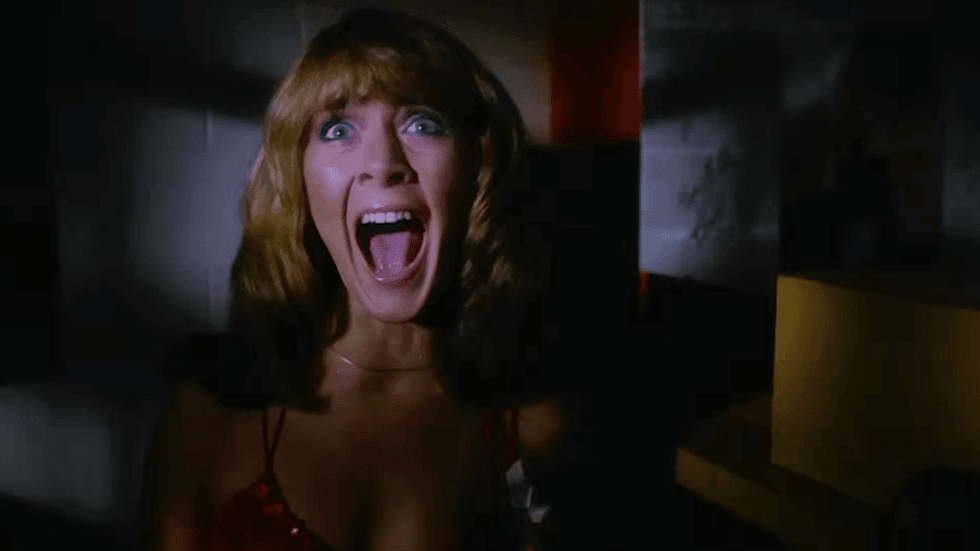 ‘Prom Night’ (1980)Credit: Avco Embassy Pictures
Look no further than the underrated Prom Night (1980), where mean girl Wendy (Anne-Marie Martin) gains sympathy from viewers for how long she lasts when the killer is after her. Martin’s desperate and fearful performance is boosted by the speed of the killer. When Wendy has to quickly duck from the axe that is swung at her, it could have you flinching. The lighting of these scenes also reinforces the tension.
In IKWYDLS, the darkness of the department store turns the slicker-wearing Fisherman into a menacing shadow. In Prom Night, the shadows in the secluded classroom and auto shop where Wendy hides further isolate her from the colorful party lights and the crowd on the dance floor, which are no longer close by. When the cat-and-mouse chase goes on for almost eight minutes, it’s an extensive length of time that will have you rooting for Wendy before one wrong move ends her life.
The script, camera work, lighting, and performances are important pieces, but just as important is what is heard during the chase. There are many ways to do this, from the score to even the weapon the killer uses.
The Sounds of Horror
John Debney’s pulse-pounding score plays during Helen’s chase, getting louder every time she is too close to the Fisherman and his hook. The dance floor music is muffled and distant underneath the scenes of Wendy running or trying to stay quiet in a hiding spot. Or, there is what was done in 1974’s The Texas Chain Saw Massacre.
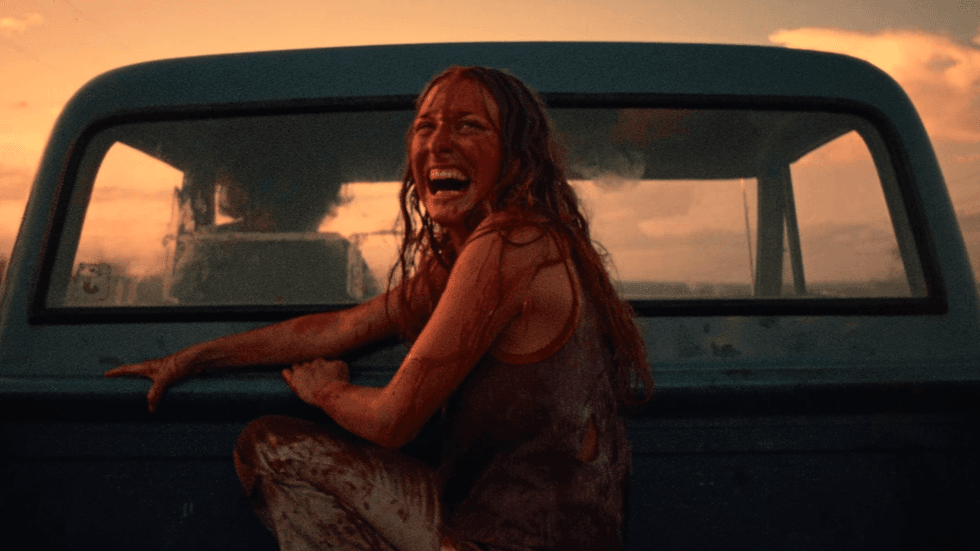 ‘The Texas Chain Saw Massacre’ (1974)Credit: Bryanston Distributing Company
Sally (Marilyn Burns) runs wildly into the woods to get away from Leatherface (Gunnar Hansen), and more horrifying than her guttural screams is the roar of the chainsaw in Leatherface’s hands. You hear the revving, even when the killer isn’t onscreen. Like everything else in this movie, the woods chase is exhausting and relentless, but the pacing of a slasher chase doesn’t always need to reach a breakneck speed. It can still be nail-biting when everything slows down.
A Game of Cat-and-Mouse
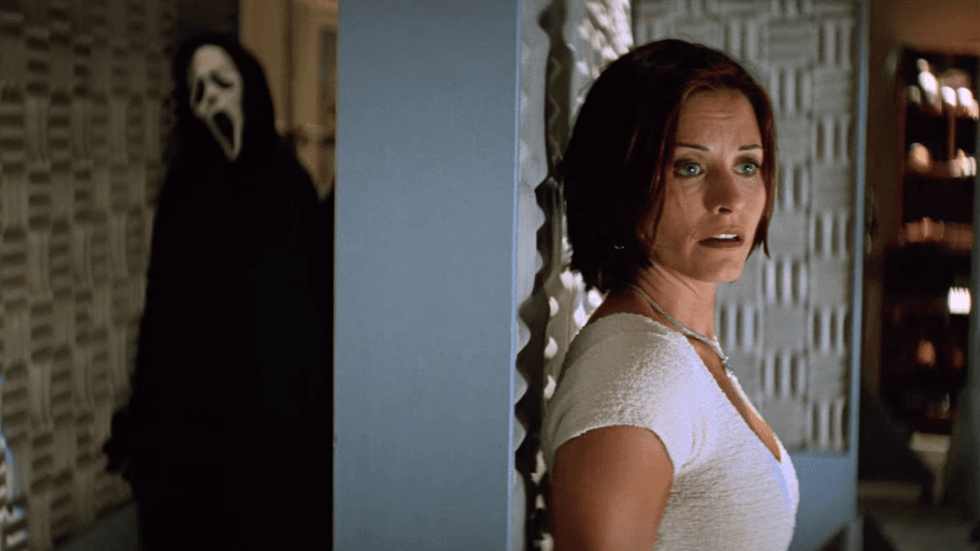 ‘Scream 2’ (1997)Credit: Dimension Films
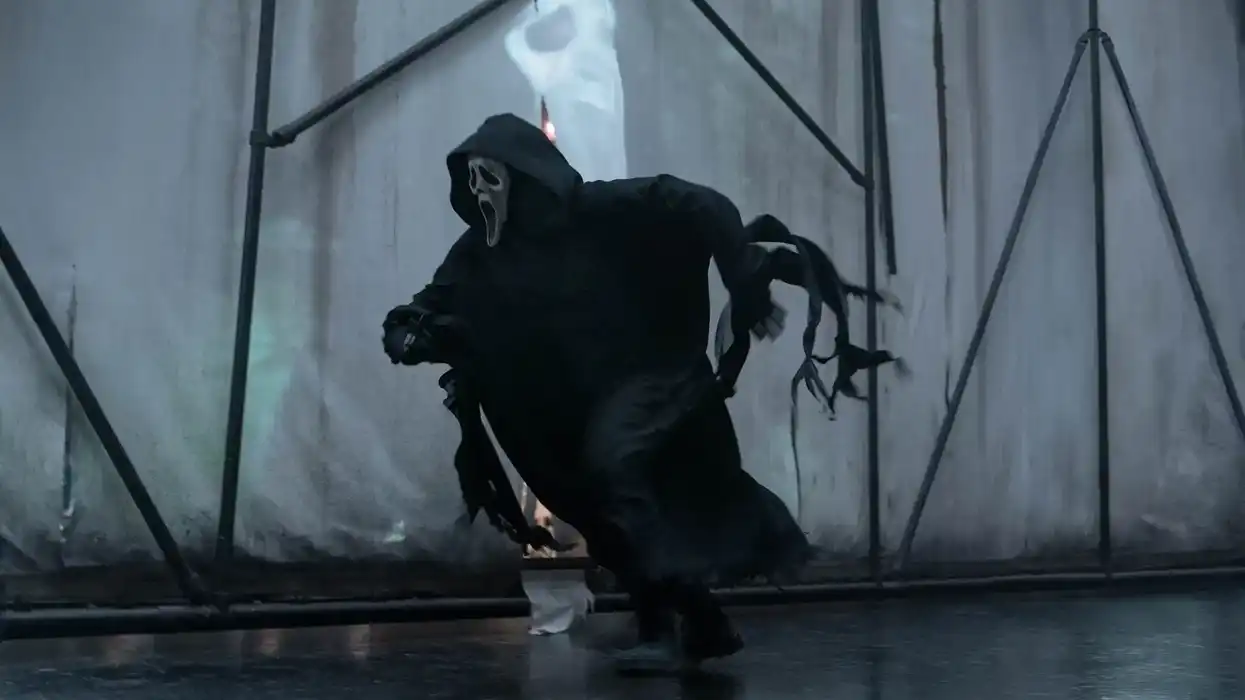
Ghostface usually charges at his victims to catch them off guard in the Scream movies. Director Wes Craven and cinematographer Peter Deming changed that for an iconic set piece in Scream 2 (1997). In a college’s film department, Gale (Courteney Cox) rushes to hide from Ghostface, and she is forced to use soundproof walls to avoid being seen.
The camera’s wide frame places her in the foreground as she navigates the maze-like layout of the soundproof walls, with Ghostface peeking in the background around the walls that Gale had just been at. They miss each other by seconds. It may be a slower approach to a typical Ghostface encounter, but the tension it builds is why it earns a spot alongside the slasher chases that go full speed ahead.
A Slasher Is More Than the Kills
An ordinary setting will be deadly. An intense soundtrack will put you on the edge of your seat. All of this and more is why the slasher chase is as vital to the subgenre as inventive death scenes or creating villains that can enter into pop culture. From the page to the screen, it’s a sequence that shouldn’t be overlooked for how it heightens the danger around the killer, makes you root for the vulnerable characters being pursued, and overall enhances the scares of the movie.
Which is your favorite slasher chase?