How ‘Now, Voyager’ Forged Romantic Realism With a Single Line
This article examines how Bette Davis’ “We have the stars” became a cornerstone of romantic realism, trading fantasy for a mature feeling.
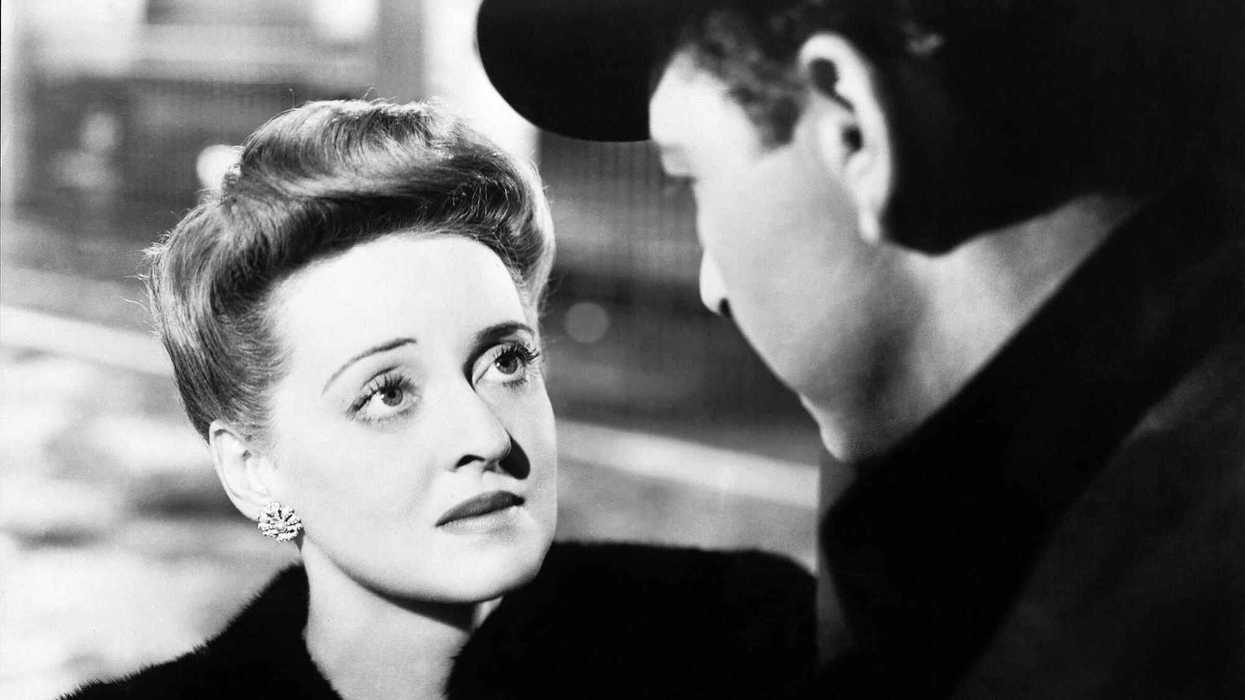
Now, Voyager (1942)
Classic Hollywood, for all its nostalgic charm and sweet appeal, wasn’t always at its best when it came to presenting emotions as they are, raw and real. They always came out in a certain polished way. The wave of realism was yet to hit Hollywood.
But the signs of emergence were there. Every now and then, a character would do something or say something that felt refreshingly genuine and rooted in real emotions.
One of those early movies was Now, Voyager (1942), in which Charlotte Vale (Bette Davis) softly says:
“Jerry, don’t let’s ask for the moon. We have the stars.”
And just like that, she offers something different from the era’s grand romantic declarations. Something you and I can think and say. Something that we can offer. Simply because it’s practical.
Within the narrative, the line also marks Charlotte’s growth, how she has evolved beyond her boundaries, and her acceptance of love. It’s the emotional clarity of this line that makes it feel relevant even today. Instead of just being romantic for the sake of it, it gives us a proposition for a new kind of romance.
The Line That Reframed Hollywood Romance
The Context Behind “We Have the Stars”
Charlotte Vale spent her life feeling unwanted by her mother. As a result, she has grown into an unassertive, shy, and overweight woman. After spending some time at Dr. Jaquith’s (Claude Rains) sanatorium, she transforms into a new woman, physically as well as emotionally. As a fresh start to a new life, she goes on a cruise, where she meets Jeremiah “Jerry” Duvaux Durrance (Paul Henreid), an unhappily married man with a daughter. They quietly fall in love, but decide they should remain just friends.
Once back home, her mother’s toxic influence spirals her back into neurosis. When her mother dies of a heart attack during an argument, Charlotte goes back to Dr. Jaquith’s sanatorium. There, she meets Jerry’s daughter, Tina (Janis Wilson), who, just like Charlotte, suffers from her mother’s emotional abuse. They bond over shared grief, and Charlotte takes her home to Boston. When Jerry visits the Vale house to meet Tina, as well as to discuss work—he is the architect for a psychiatric wing donated by Charlotte—they reconnect. Dr. Jaquith allows Charlotte to keep Tina only if she keeps her relationship with Jerry platonic. Charlotte agrees.
In the last scene, when Jerry asks her if she is happy with her decision, she replies, “Jerry, don’t let’s ask for the moon. We have the stars.”
What the Line Says About Love
The line goes against the “anything for love” sentiment. But it’s also not about settling for less. The line highlights the value of recognising the emotional connection that’s already in your grip instead of demanding more than life is offering.
Charlotte is now confident enough not to exhaust herself over others’ approval. She is moulded by her circumstances and her relationship with her mother. She would love a companion, but when she sees Tina, she sees herself in her. And that changes her priorities.
Jerry has spent the better part of his marriage in misery because of his manipulative and suspicious wife. When he met Charlotte, he wasn’t actively trying to change his circumstances, mostly because of his protective love for troubled Tina, along with the societal pressure and his own code of honour. However, after meeting Charlotte, he is encouraged to seek out more.
When he asks her, “Will you be happy, Charlotte?”, the question is not solely directed at Charlotte’s happiness. He is asking if he can be a part of it too, if they can be together. He is testing the possibility of something more.
Here, Charlotte steadies the moment in an attempt to save both of them from a fantasy they cannot sustain—and should not entertain for the sake of Tina.
But this doesn’t make Jerry a reckless romantic. He is only emotionally hopeful. It’s just Charlotte shows more character strength because she chooses realistic love over wishful thinking.
Romantic Realism in Classic Hollywood
How Films of the Era Evolved Toward Emotional Honesty
The late ‘30s and early ‘40s were marked by growing global unrest due to World War II. It forced the audience to be sympathetic to real frustrations and complicated dynamics of human life. This trend started to reflect in movies as well. The range of characters that came during this period was defined by identity struggle and responsibility. Romance became less romantic (idealistic) and more realistic. It shifted its focus from destiny to personal growth. The audience not only accepted but demanded characters that made difficult choices. This created an opening for the studios to explore emotional nuance instead of the picture-perfect endings that were typical of the time.
Why “We Have the Stars” Became a Model for Realistic Romance
In the preceding years, Hollywood produced movies that were rife with sweeping romantic gestures and promises. For example, Rhett Butler (Clark Gable) in Gone With the Wind (1939) says to Scarlett (Vivian Leigh), “You should be kissed, and often, and by someone who knows how.” It’s a bold declaration of romantic destiny, flirtation packaged (and accepted) as fate. City Lights (1931), while a silent movie, shows the Tramp’s (Charlie Chaplin) entire emotional arc as an enormous romantic promise.
This is why Now, Voyager, and this line in particular, stood apart. Its emotional clarity was unmistakable, and it was quite striking. It suggested love doesn’t always mean being together; it can include boundaries, self-respect, and acceptance. It can justifiably fall in the hierarchy of priorities.
Many films that came around this time, and those that followed, borrowed this sacrificial tone; Casablanca’s “We’ll always have Paris,” for example. There is room to say these films romanticised the idea of the “bigger picture” and “integrity” rather than romance itself.
Conclusion
“We have the stars” resonates because it seems real, something that can happen (has happened) to us. And more importantly, it feels honest. The moment marks the ability to acknowledge love and connection without getting entangled in fantasy. It will appeal to you if you take refuge and find satisfaction in clarity rather than so-called perfection.
Movie history is strewn with pioneering elements that added something original, something of a game-changer to the existing mould. This line is one of those elements. It showed that romance could be profound and sincere yet realistic and emotionally grounded.
- What Are Pyscho-Biddy Films? (Definition and Examples) | No Film ... ›
- What is the Transatlantic Accent in Movies? | No Film School ›
- Looking Back at “The Bumpy Night” in 'All About Eve' | No Film School ›
- The Line in 'All About Eve' That Both Warns and Foreshadows | No ... ›
- “What a Dump”: The Line That Defined Bette Davis's Rosa Molins ... ›