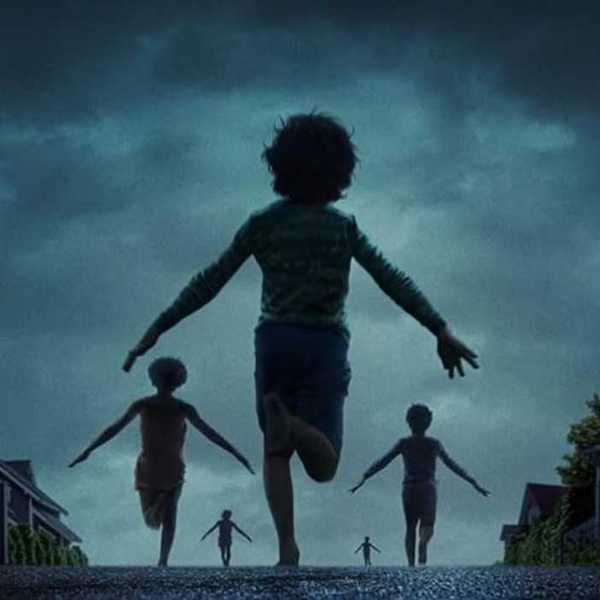
Summer might be over, but I can’t stop thinking about summer camp slashers. Horror got a new, deadly locale in these campground-set movies, often in the lead-up to or during an active summer season, before a killer attacks the campers and counselors.
I’m most fascinated with the queer horror that this subgenre has unleashed upon us, and pushing me into this deep dive is my recent viewing of Teenage Sex and Death at Camp Miasma (2026), a modern summer camp slasher that challenges the monsters of the past.
Stay close to the bonfire as we explore how the isolation, the bullying, and the hookups in summer camp slashers have been kindling to feed the queer horror flames for years.
And brace yourself, there will be spoilers.
Welcome to Crystal Lake
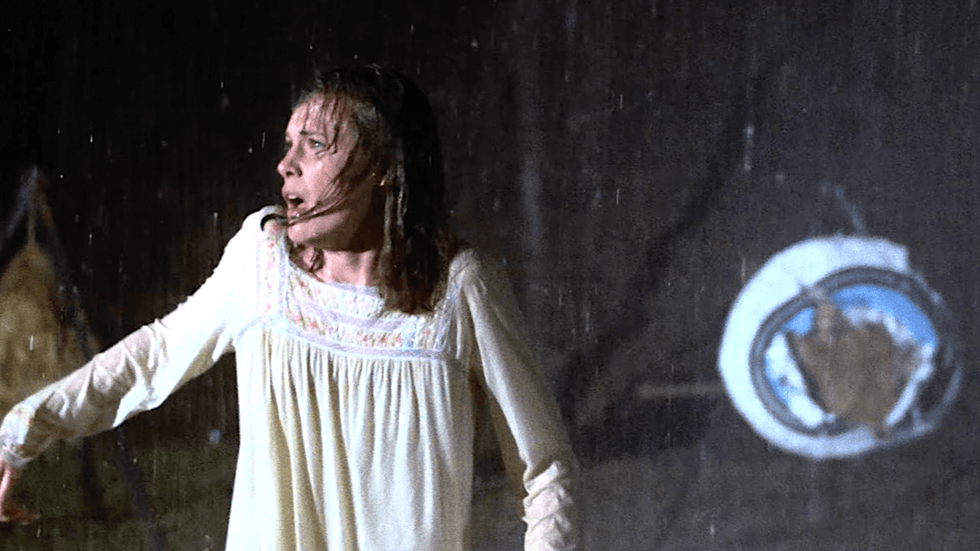 ‘Friday the 13th’ (1980)Credit: Paramount Pictures
No longer was it the suburbs where Michael Myers stalked victims in 1978’s Halloween, the movie that established the slasher formula.
Follow the trail markers, and you will find that the blueprint for this horror subgenre was created by the original Friday the 13th (1980). “The idea for the summer camp came from my instinct that we needed a location where young adults would be cut off from all adult help,” the late Victor Miller, screenwriter of F13, said in an interview.
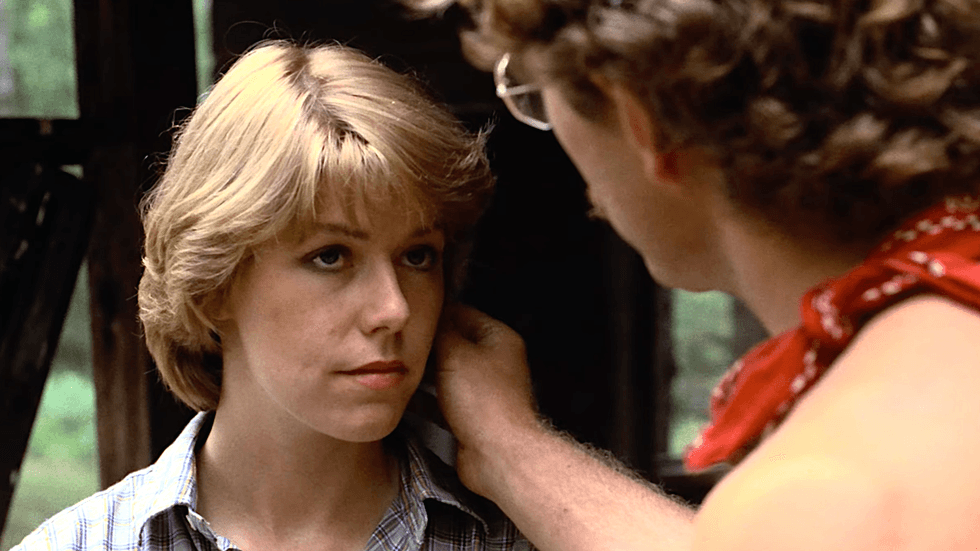
Come nightfall, the unlucky group of counselors reopening Camp Crystal Lake either split off to have sex or play a mild game of strip monopoly, until one by one, they are taken out by a mysterious killer, whose identity, I believe, is queer-coded.
A Destructive Mother
 ‘Friday the 13th’ (1980)Credit: Paramount Pictures
Some fun trivia I found out is how connected the F13 franchise is with queer horror fans, thanks to the 2013 retrospective documentary, Crystal Lake Memories: The Complete History of Friday the 13th.
Composer Harry Manfredini shared how the disco theme for Part III was popular at gay clubs; there were out actors in the sequels, from Tom McBride in Part 2 to a large part of the cast in Part VII, which earned the nickname “FriGay the 13th.” You even have comedy legend/gay icon Leslie Jordan in Jason Goes to Hell. But the first movie is where there was something closer to queer horror in the actual story.
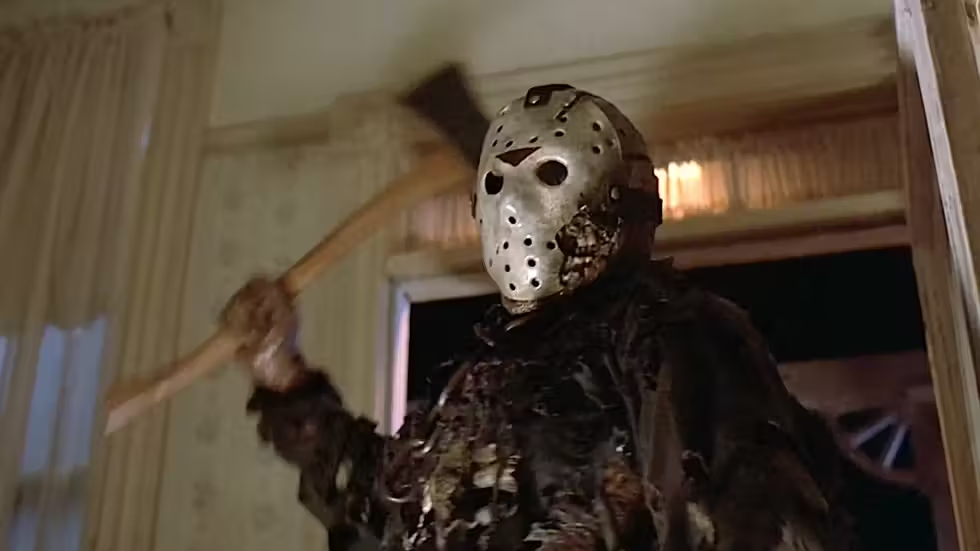
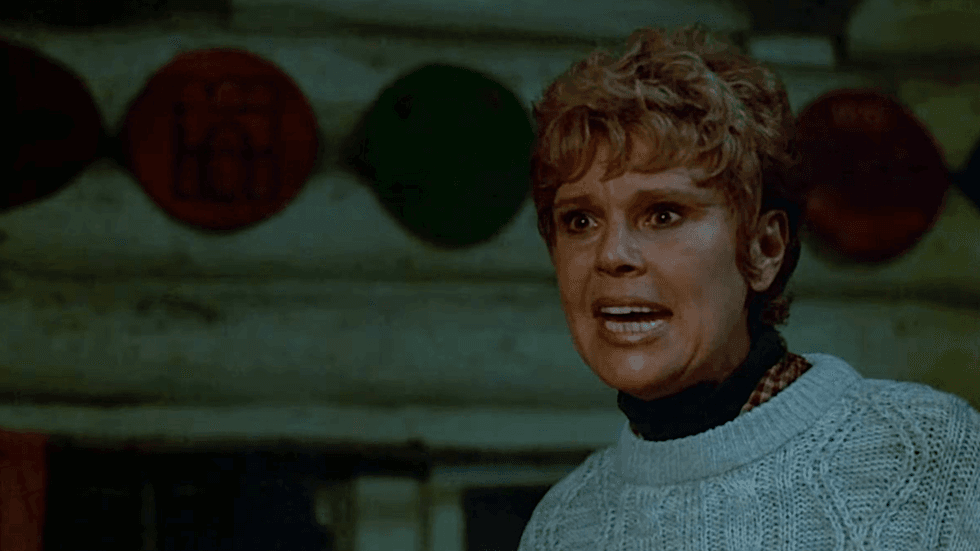
The killer at Crystal Lake is Mrs. Voorhees (Betsy Palmer), an older woman who is out for revenge. Years earlier at the site, her son Jason drowned when counselors were too busy having sex, and she is provoked to kill anyone who dares to reopen the camp.
There have been conservative undertones applied to slashers for killing the sexually promiscuous characters, but I don’t see premarital sex as the problem. Look at it this way: the counselors in the first F13 are heterosexual, so it’s straight sex that Mrs. V. interrupts with an arrow through the throat or an axe to the face.
Upsetting the Status Quo
 ‘Friday the 13th’ (1980)Credit: Paramount Pictures
Famous villains in proto-slashers (predating Halloween) were viewed as scary for how they deviated from traditional gender expectations. There was the cross-dressing Norman Bates in Psycho and the “Pretty Woman” skin mask worn by Leatherface in The Texas Chain Saw Massacre. Subverting the gender of the killer in F13 places an otherness onto Mrs. Voorhees — when she talks as Jason, it “others” her more so.
Betsy Palmer mentioned in Crystal Lake Memories how film critic Gene Siskel was especially harsh in his condemnation of F13, even putting her address in his review for the public to complain to her. “How dare she play a role like this,” Palmer recalled, as Siskel felt that she had “made herself so lovable” from her TV work.
Palmer and Mrs. V. contradicted how people perceived them, and how they upset the status quo set the stage for another slasher to push it further.
Campfire and Carnage
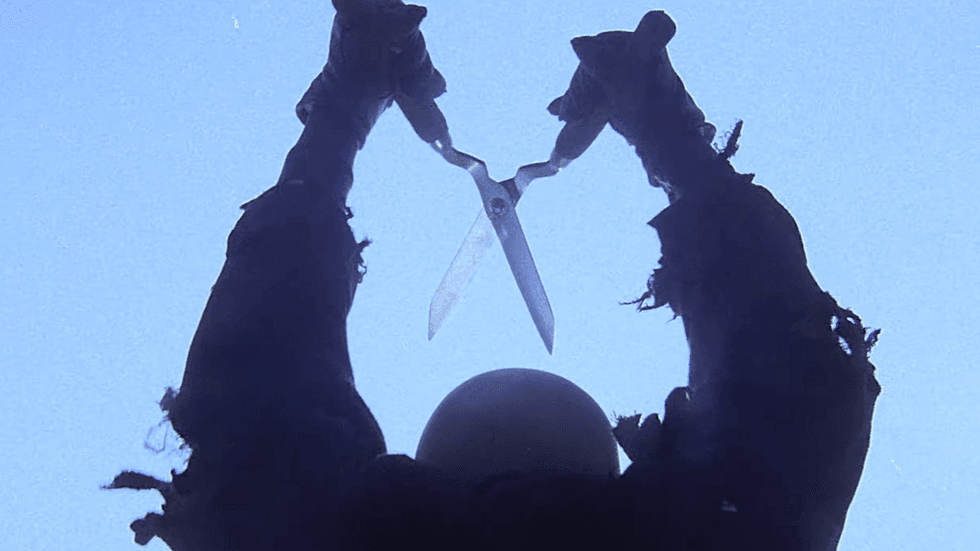 ‘The Burning’ (1981)Credit: Filmways Pictures
Following the box office success of the first F13, The Burning and Madman were released in 1981, which had counselors and campers who ignored the beauty of nature as they preoccupied themselves with their horny desires.
Madman has a weirdly hilarious sequence that goes on too long, as two counselors strip, get into a hot tub, and make out. There is a sleazier tone in The Burning (it’s hard to overlook that Harvey Weinstein had a hand in getting this movie made), where the guys emasculate one another when they aren’t pressuring the girls into sex.
These movies are excessively heteronormative, which sounds anxiety-inducing for the campers and counselors who don’t fit in, which brings us to Sleepaway Camp (1983).
A Shock Ending
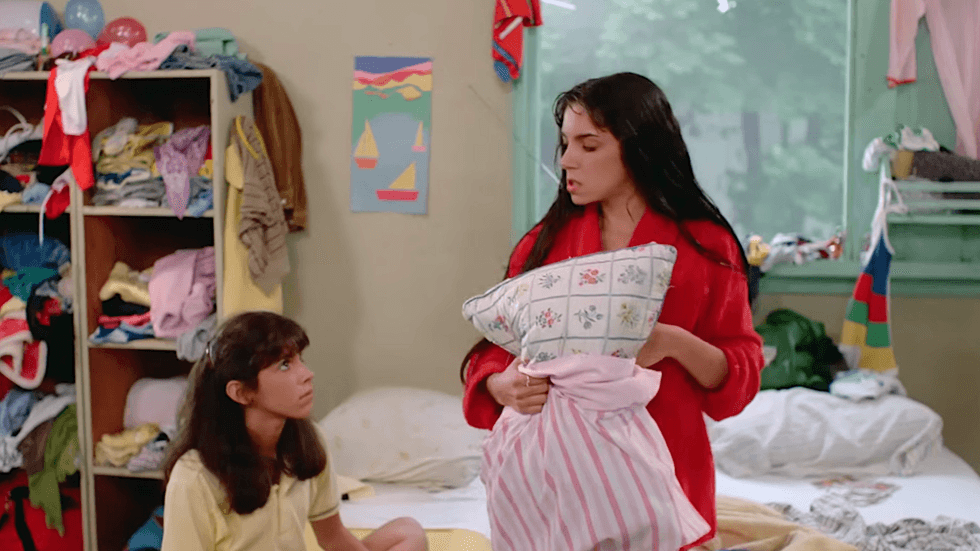 ‘Sleepaway Camp’ (1983)Credit: United Film Distribution Company
A young girl, Angela Baker (Felissa Rose), is surrounded by abusive staff and campers when she arrives at Camp Arawak. Mean girl Judy (Karen Fields) endlessly harasses the quiet Angela, at one point mocking her out loud, “--how come you never take showers when the rest of us do? Huh? You queer or something?” A mysterious killer soon takes out these cruel characters, with a twist revealing that Angela is the killer.
After a fatal accident seen in the opening, the real Angela and her father died, leaving her brother Peter as the only survivor. The aunt that Peter then lived with forced him to change to his sister’s identity, which Sleepaway Camp exploits with a final shot of a nude Angela with an exposed penis. I guess it wasn’t enough to have a murderous outcast with a deformed face like with Jason Voorhees or disfiguring burns like with The Burning’s Cropsy (Lou David).
Director Robert Hiltzik explained in the 2014 documentary At the Waterfront After the Social: The Legacy of Sleepaway Camp that the ending was meant to only shock audiences, yet it has a complicated legacy.
You root for the slasher as most of the kills feel like comeuppance, but Angela belongs to the horror trope of making monsters out of gender nonconformity or trans-coded characters.
A Tragic Monster
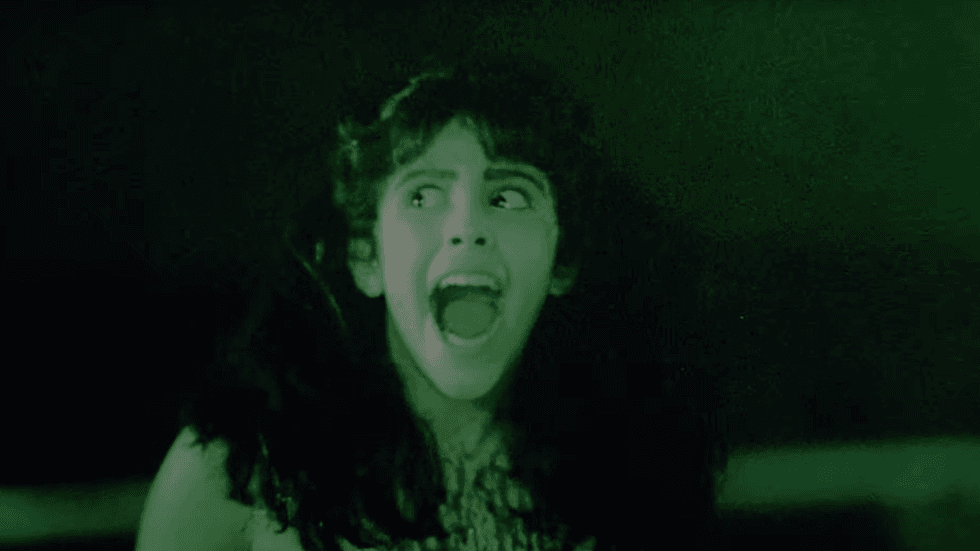 ‘Sleepaway Camp’ (1983)Credit: United Film Distribution Company
The first movie is messy in exploring themes of sexuality and gender long before that ending: a flashback reveals Angela’s father was closeted, which badly affected his children; at Camp Arawak, the male counselors wear a provocative wardrobe of short shorts and crop tops.
In the 1988 sequel, Pamela Springsteen took over from Rose, and Angela officially transitioned. A story told around an early campfire includes, “--the doctors gave him a sex change, and our parents’ taxes paid for it!” When Angela becomes a counselor at a new camp, she kills the sexually active campers, taking over from what Mrs. Voorhees started, while being an explicitly queer horror monster.
When looking at modern slashers, three movies directly challenge these old scares.
The New Blood
American Horror Story: 1984 has trans actress Angelica Ross play a cisgender Final Girl, with dark secrets like the rest of the characters, without getting singled out for it. Unfortunately, that progress can feel disingenuous when you learn about the behind-the-scenes transphobia that Ross faced from co-star Emma Roberts.
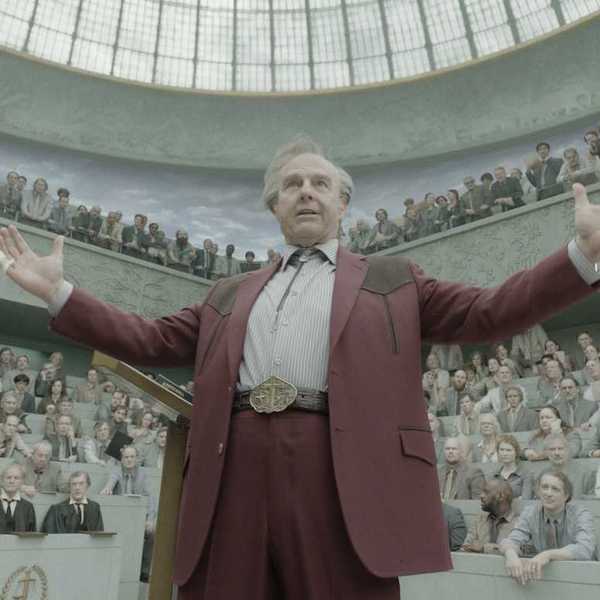
An amazing, tongue-in-cheek title can’t save They/Them (2022), which wants to rework the classic summer camp slasher (Kevin Bacon in the cast is a nice homage to his early career role in F13), but it cuts into the story with a dull knife that has no serrated edges.
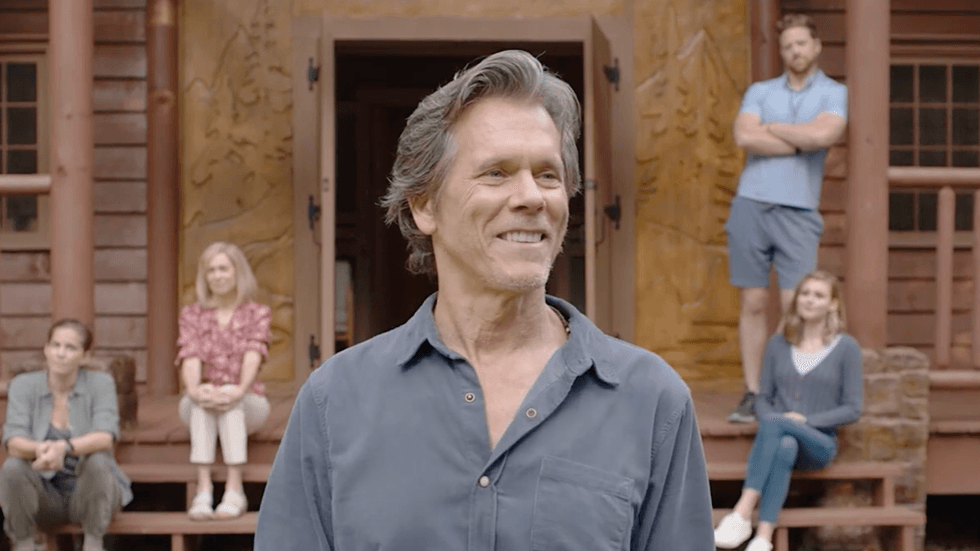 ‘They/Them’ (2022)Credit: Peacock
A group of LGBTQ+ youth has to stay safe at a conversion camp run by counselors who increasingly torment them. You almost forget there is a killer — an ex-camper who takes revenge on the counselors —because of how limited they are used, which fumbles the grisly karmic justice we should be getting.
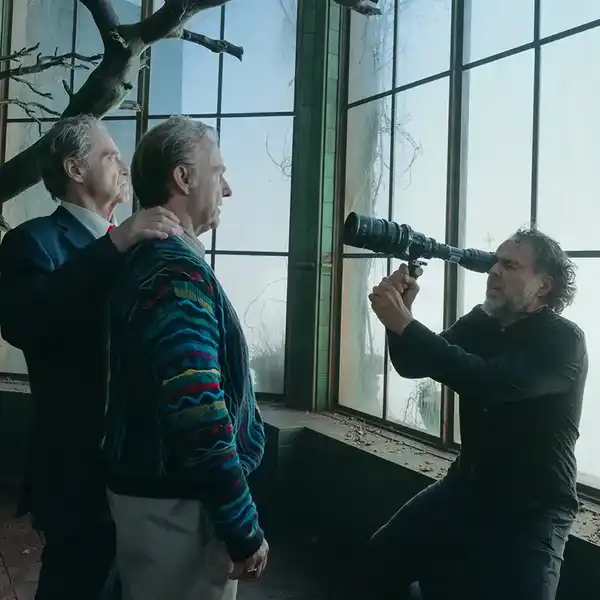
So I was highly anticipating what trans and non-binary director Jane Schoenbrun, known for surreal, meta, and queer films, would do in Teenage Sex and Death at Camp Miasma.
Reclaiming Queer Horror
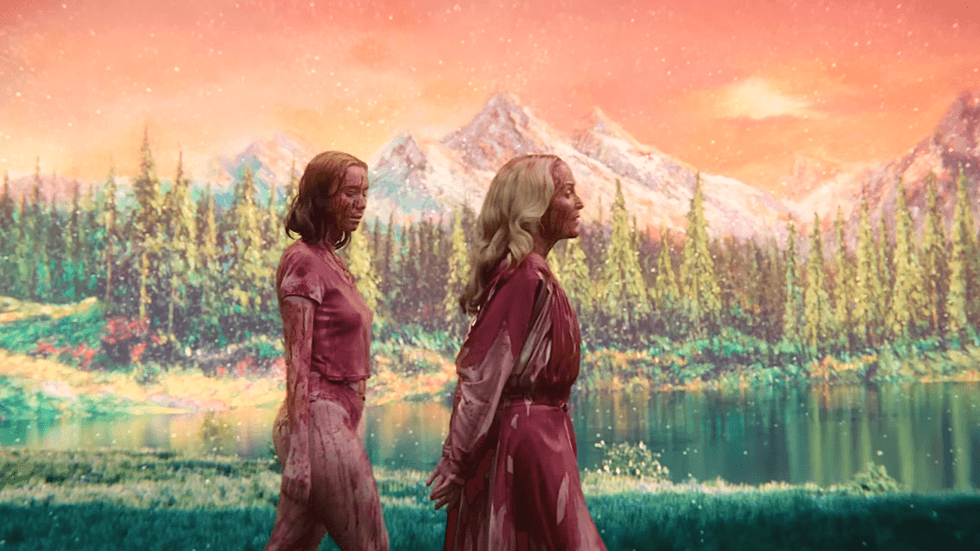 ‘Teenage Sex and Death at Camp Miasma’ (2026)Credit: Mubi
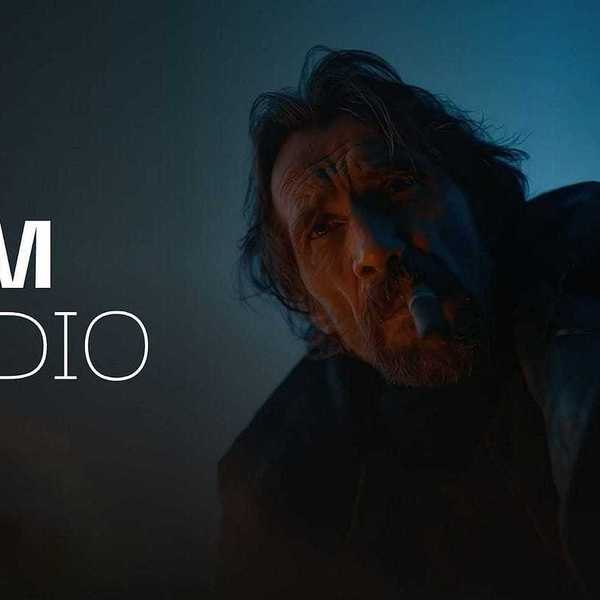
Filmmaker Kris (Hannah Einbinder) meets reclusive actress Billy Presley (Gillian Anderson), who played the Final Girl in the first Camp Miasma installment, a fictional horror franchise starring a trans killer known as Little Death (played by trans and non-binary actor Jack Haven). Schoenbrun takes aim at problematic queer horror of yesteryear, most notably with references to Sleepaway Camp, and centers the sapphic romance between Kris and Billy.
The lore tells us that Little Death was a camper whose parents made them change genders during the week, leading to “normal” campers drowning Little Death because they were an outcast. A passing detail is that the director of the in-movie franchise is named after the real-life sexologist responsible for a damaging theory on trans women.
The finale is a sexual fantasy where Kris achieves what so many straight, cisgender men in slasher movies are lusting after. It’s no accident that “Little Death” is a French expression for an orgasm. Unburdened by being a conventional slasher, Teenage Sex and Death at Camp Miasma uses the tropes and imagery we have seen before to help in Kris’ journey to overcome sexual repression.
I look forward to where the subgenre goes from here. Do you have a favorite summer camp slasher?