Have you seen this movie? Four men in matching disguises hijack a New York City subway car, hold the passengers for ransom, and dare the city to figure out how they'll possibly get away.
The Taking of Pelham One Two Three hit theaters on October 2, 1974, and on paper it sounds tiny. There's just one train, one tunnel, and one hour. Four armed men in matching disguises board a downtown 6 train, uncouple the front car, and take 18 passengers hostage. They demand a million dollars from the city inside an hour, or they start killing hostages.
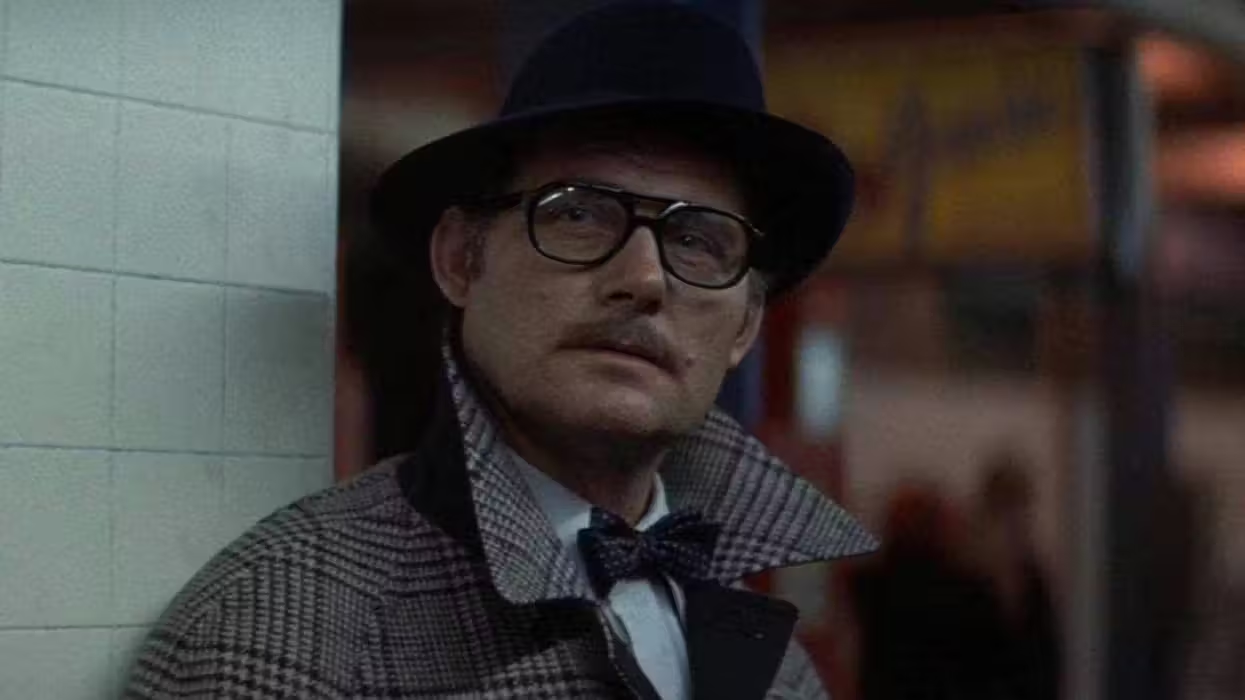
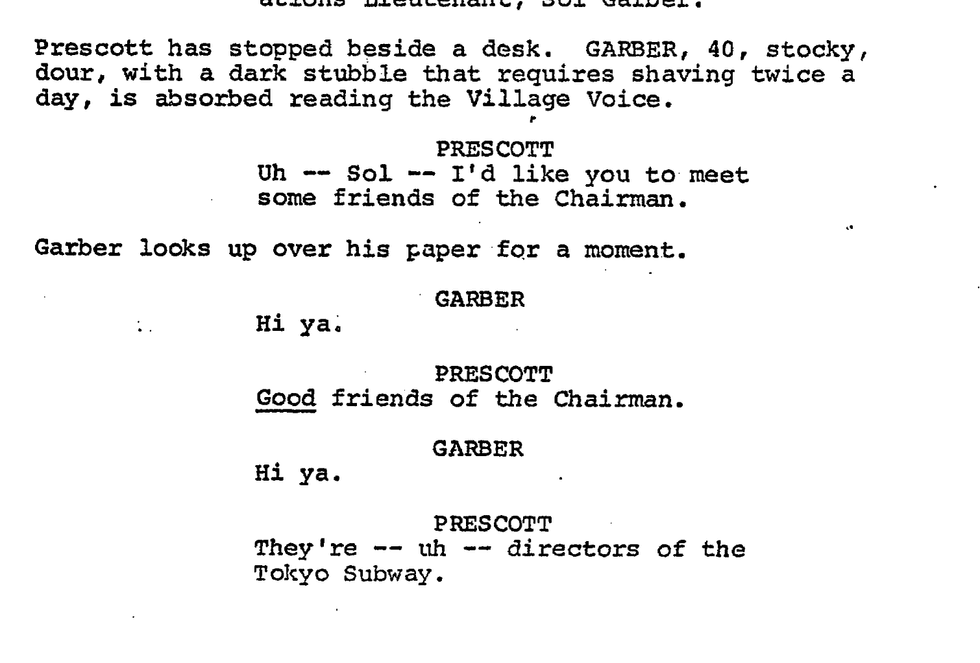
Robert Shaw plays Mr. Blue, the ex-mercenary running the job. Walter Matthau is Lt. Zachary Garber, the rumpled Transit Authority lieutenant stuck talking him down over the radio. Martin Balsam, Héctor Elizondo, and Earl Hindman fill out the crew.
It's a simple idea, but on screen, it's one of the tightest and funniest crime thrillers of its decade, which happens to be absolutely stacked with them. Fifty-two years later, its fingerprints are all over the genre, and there's plenty here you can steal.
Catch a ride on this one.
- YouTube www.youtube.com
One Train for One Hour
That one-hour deadline is the thing that runs the whole movie. It's a literal countdown, and director Joseph Sargent never lets us forget the clock is ticking. The ransom has to be rushed across a gridlocked Manhattan while tension keeps rising. The film keeps intercutting between the trapped passengers, the transit control room crew barking into radios, and the cash in transit.
Every cut tightens the vise. This is the ticking clock at its most ruthless, the kind of hard constraint that makes everyone onscreen move while you sit there and sweat.
Character Over Plot
Peter Stone's screenplay, adapted from John Godey's 1973 novel, includes something plenty of thrillers forget, which is that a hijacking is only as gripping as the people stuck inside it.
So the movie is crawling with New Yorkers. We get Matthau's gruff lieutenant pulling plenty of faces, a pack of gripey dispatchers, a mayor so wrapped up in his poll numbers that his wife has to remind him the hostages count as 18 guaranteed votes.
Roger Ebert, in his three-star review, wrote:
"What’s good about Pelham’s example of the form is that the performances are allowed enough leeway so that we care about the people not the plot mechanics. And what could have been formula trash turns out to be fairly classy trash, after all."
The gallows humor, big personalities, and dread all feed off each other.
 'The Taking of Pelham One Two Three'
Two Pros, One Radio
The heart of the film is the duel between those two men on the radio. Garber is all exhaustion and dry comebacks. Mr. Blue is precision and menace, running his crew like a military op.
Ebert said Matthau is "gruff, shaggy and sardonic" and Shaw "clipped and cruel," and that push-pull carries the picture. Die Hard would make its own mark on film years later using a cop and a villain having similar tension over the radio, but Garber and Mr. Blue got there first.
Matthau said of making the film on location (via Cinephilia & Beyond):
“There are bacteria down there that haven’t been discovered yet. And bugs. Big ugly bugs from the planet Uranus. They all settled in the New York subway tunnels. I saw one bug mug a guy. I wasn’t down there a long time—but long enough to develop the strangest cold I ever had. It stayed in my nose for five days, then went to my throat. Finally I woke up one morning with no voice at all, and they had to shut down for the day.”
The Look, the Cut, and the Sound
A lot of why Pelham feels this alive comes down to who made it.
Cinematographer Owen Roizman (who also shot The Exorcist) and editor Gerald Greenberg had just built the grimy, near-documentary New York of The French Connection a few years earlier, and they take that same grit down into the subway. It's all on location, so we see real tunnels and the real streets of a city that looks lived-in and a little feral. Which NYC was in the '70s, notoriously, before it got cleaned up.
Underneath all of it, David Shire's brassy, jazz-funk score keeps churning. Like a lot of great thrillers, this one lets music add to the tension when dialogue can't.
The Crew That Changed a Genre (and Reality)
The robbers never use real names. They're Mr. Blue, Mr. Green, Mr. Grey, and Mr. Brown, which might feel a little familiar, even if you've never seen this one.
When Quentin Tarantino gave his crew color aliases in Reservoir Dogs, he lifted the idea straight from Pelham. Mr. Blue and Mr. Brown even made the trip over. He built his entire debut out of heist-movie DNA like this, the same way he leaned on Kubrick's The Killing.
Fun fact! For more than a decade, New York's transit schedulers avoided the 1:23 departure slot because it felt like bad luck due to this film, a bit of subway lore Mental Floss traces to journalist Jim Dwyer's book, Subway Lives.
- YouTube www.youtube.com
The Sneeze That Gives Everything Away
There's one great detail that we can learn from—but it's a spoiler, so bail now if you've somehow never seen it.
The entire hijacking, one of the guys on the crew can't stop sneezing. It plays like a small detail, a little bit of funny texture.
Then, in the final scene, Garber runs down the one guy who slipped the net. In a tense scene, which finds the criminal hiding a stack of cash and trying to get the cops to leave, you think he's about to get away. But Garber turns to leave, and the man sneezes. Garber comes back with a knowing look. Cut to credits.
It's plant and payoff pulled off super well, a head cold seeded in the first act and cashed in as a closing image.
Give an audience one small, specific thing and trust it to pay you back. This is how.