Published in 1818, Frankenstein is Mary Shelley’s classic novel about a man playing God and rejecting his creation. It has birthed too many adaptations to count, with faithful versions out there and just as many that are loosely based on the source material.
The following movies and TV episodes offer ten unique retellings of Frankenstein with lonely monsters and mad science. They continue the legacy of what Shelley wrote over 200 years ago and the impact the 1931 film by James Whale had in pop culture.
Are you ready to push the boundaries of science?
Lady Frankenstein (1971)
This Italian Gothic horror film gives the infamous scientist a daughter, who is more than ready to carry on her father’s work.
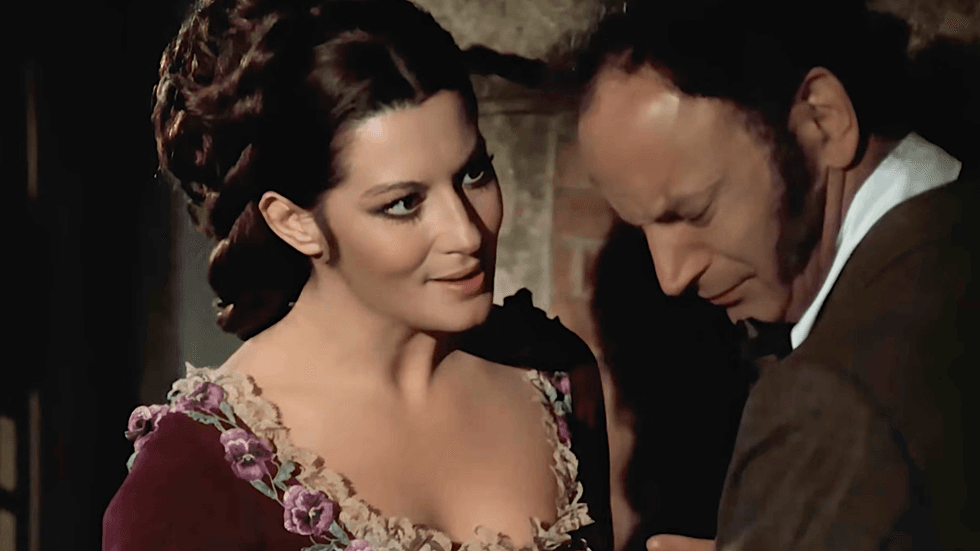 ‘Lady Frankenstein’ (1971)Credit: New World Pictures
Tania Frankenstein (Rosalba Neri) has graduated from medical school to be a surgeon, yet her father is hesitant to bring her into his lab for the latest attempt at reanimation. The ensuing plot shows the self-destruction of the Frankenstein family, and it is less concerned about the reanimated man-beast who gets loose and kills civilians.
Tania is ready to achieve what her father has failed to do. But that ego is one side of her. Rosalba Neri’s performance as Tania is less of a typical mad scientist and closer to an elegant and seductive femme fatale, through how she sexually manipulates several men to get what she wants. In Tania’s hands, brain transplants can give an older lover a younger, stronger body.
The Spirit of the Beehive (1973)
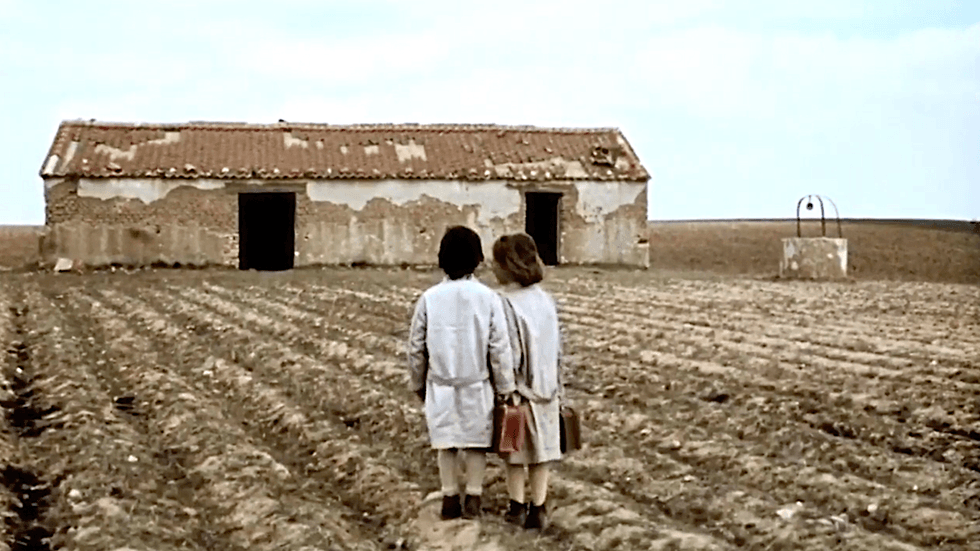 ‘The Spirit of the Beehive’ (1973)Credit: Bocaccio Distribución
Set in 1940s Spain, two young sisters watch a town screening of 1931’s Frankenstein, and their imagination has them believe the Creature is lurking on the outskirts of their sun-scorched, rural town. Of the sisters, Ana (Ana Torrent) is mesmerized by what she sees during the screening, so much so that the fiction slips into her reality.
Honey-yellow light comes into Ana’s home, part of the film’s symbolism in confronting Spain’s dark past. The historical and political backdrop is the Franco dictatorship, where Ana uses Frankenstein’s Monster to make sense of her environment.
Much of the runtime observes the daily life of these sisters in their village, but the slow-burn leads to a violent incident committed by the authoritarian regime that lasted from 1939 to 1975.
The Rocky Horror Picture Show (1975)
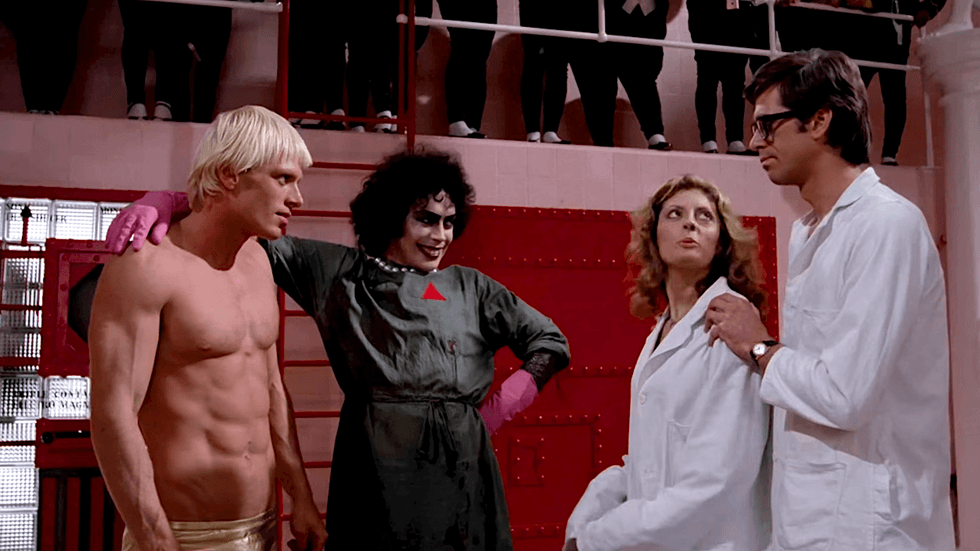 ‘The Rocky Horror Picture Show’ (1975)Credit: 20th Century Fox
“I see you shiver with antici....pation.” Fifty-plus years later, this cult classic still harnesses the power to shock the repressed conservative and thrill the outcasts into being their authentic selves. The Rocky Horror Picture Show is the film adaptation of a stage show where Frankenstein’s Monster is a hot blonde man who is created by Tim Curry’s sassy, cross-dressing Dr. Frank-N-Furter.
Part musical, part alien invasion, and part sexy Gothic horror, step through the doors of this mad scientist’s lab for one of the stranger reworkings of Frankenstein.
Frankenhooker (1990)
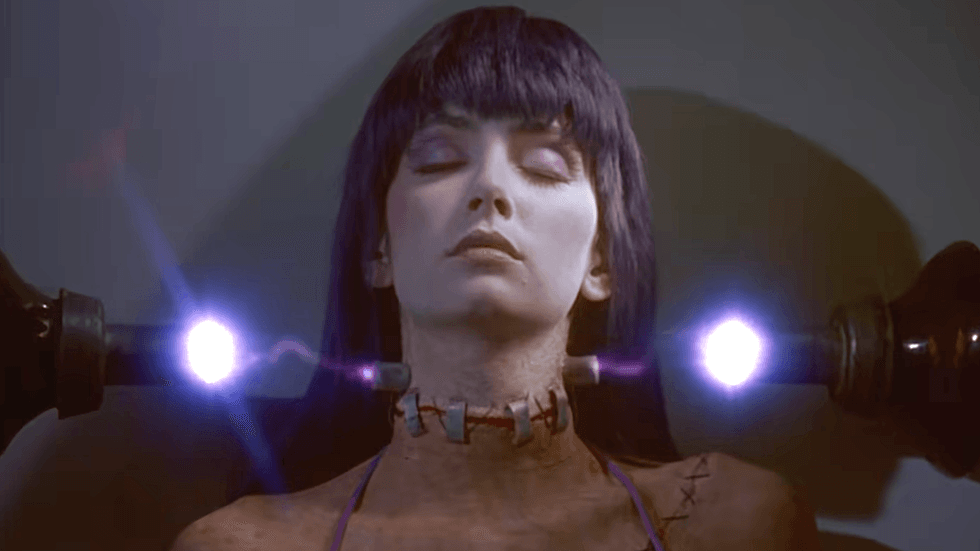 ‘Frankenhooker’ (1990)Credit: Shapiro-Glickenhaus Entertainment
In director Frank Henenlotter’s horror-comedy, Frankenhooker, Elizabeth Shelley (Patty Mullen) is killed by a redesigned lawn mover, invented by her boyfriend Jeffrey Franken (James Lorinz).
He decides to revive Elizabeth’s body with bioelectricity, but with only her lovely blonde head and a few other body parts, Jeffrey needs replacement parts. Parodying Frankenstein with explosive crack cocaine and New York City sleaze, Frankenhooker doesn’t forget a major theme.
The inventor must always face the consequences of their creation.
Edward Scissorhands (1990)
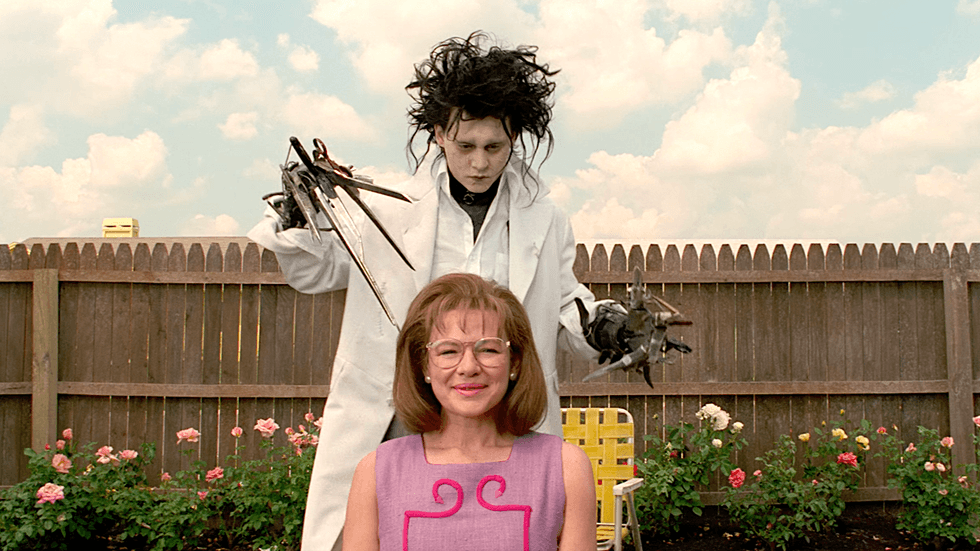 ‘Edward Scissorhands’ (1990)Credit: 20th Century Fox
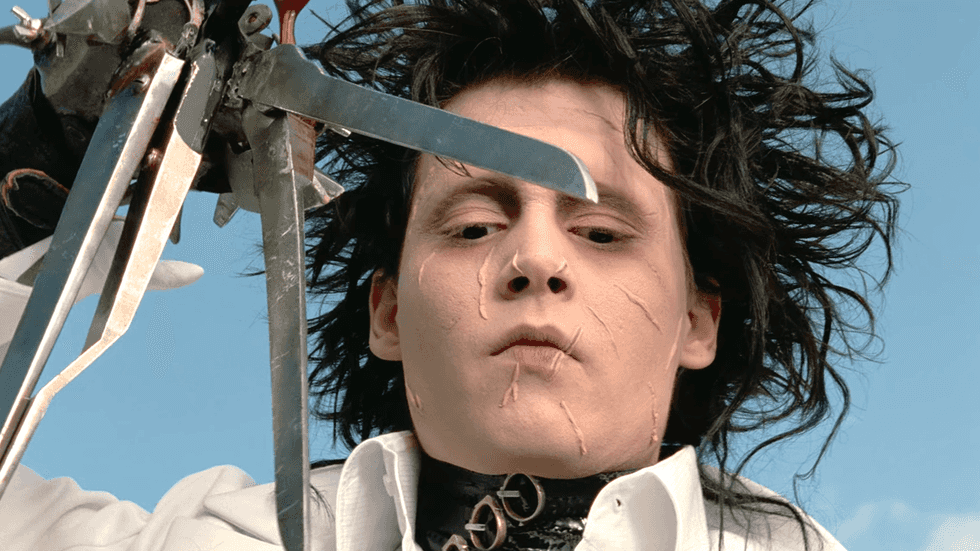
Left alone in an abandoned castle is an unfinished experiment, Edward Scissorhands (Johnny Depp). Although he looks monstrous, he is a gentle creature and is soon taken in by a family who live in the neighborhood below.
There is composer Danny Elfman’s score that is like a gloomy music box. Horror icon Vincent Price gets his last film role as the inventor and father of Edward. Directed by Tim Burton, Edward Scissorhands carries Burton’s love for the macabre by his misunderstood monster being the awkward, goth-looking Edward who uses his blades for hair styling, contrasting with the squeaky clean suburbia where the gossiping neighbors are far more monstrous.
The X-Files, Season 5 (1997)
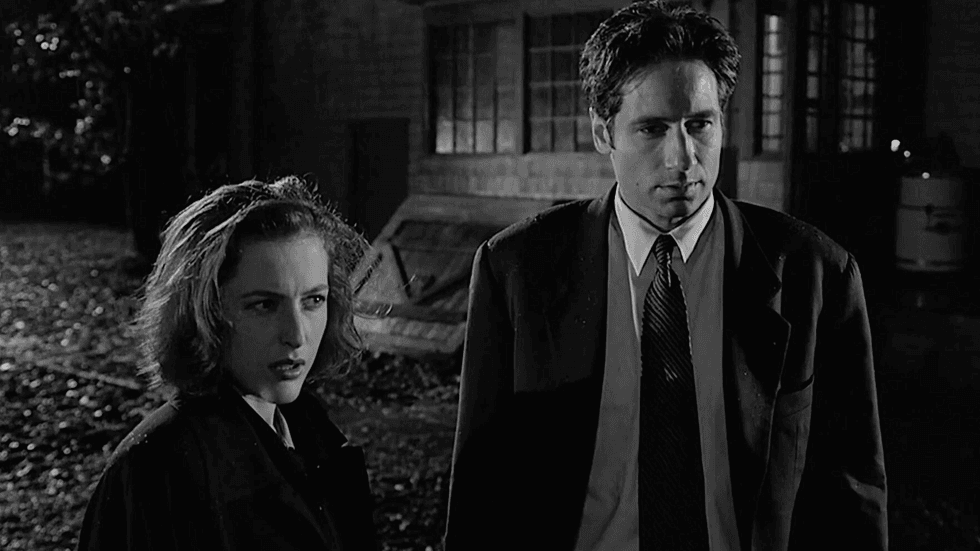 ‘The X-Files’ (1997)Credit: Fox
The Season 5 episode, “The Post-Modern Prometheus,” is a tribute to the black-and-white Universal Monsters and Shelley’s work, sending Agents Mulder (David Duchovny) and Scully (Gillian Anderson) to a small town, where they link surprise pregnancies to sightings of a local urban legend, a deformed man named The Great Mutato (Chris Owens). It doesn’t take long for the community to become a fearful mob.
Leave it to this sci-fi TV classic to turn Frankenstein’s Monster into a Cher fan. This episode was planned to guest star Roseanne Barr and Cher, which didn’t happen, but the performances from the quirky townsfolk are still memorable.
Subject Two (2006)
This little-seen drama is a two-hander between Dean Stapleton and Christian Oliver, set in and around a cabin surrounded by snowy mountains.
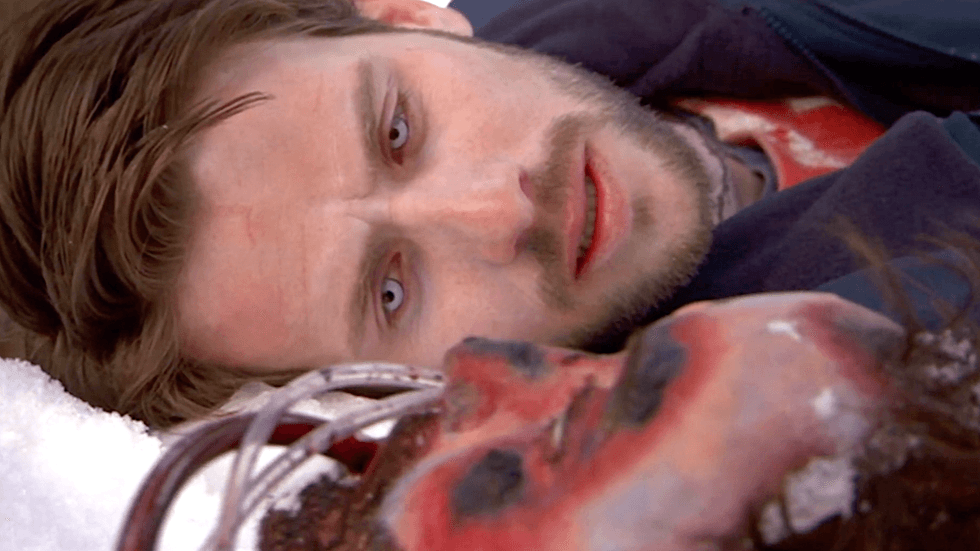 ‘Subject Two’ (2006)Credit: First Look Studios
The snowy landscape is a desolate place, not unlike the frigid Arctic Circle that Shelley used in her novel. Stapleton plays the mysterious doctor, named not too discreetly Franklin Vic. Oliver is Adam, the test subject, who descends into an existential crisis of pain and loneliness.
Subject Two is an icy, quiet, unsettling story that favors conversations between its two leads on what it means to be human when resurrection is possible.
Fringe, Season 3 (2013)
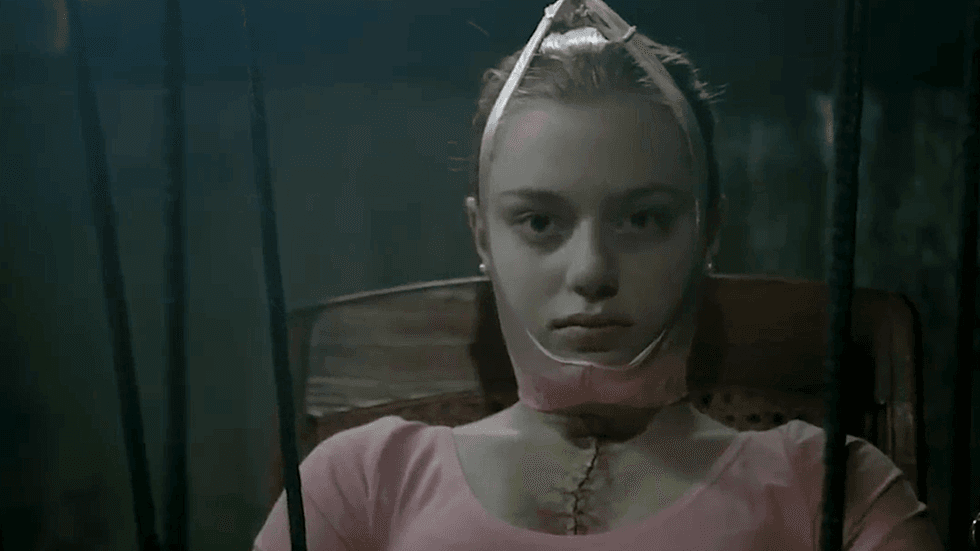 ‘Fringe’ (2013)Credit: Fox
“Theft of corpses is a time-honored tradition.” FBI agent Olivia Dunham (Anna Torv), the unstable but brilliant Dr. Walter Bishop (John Noble), and his son, Peter Bishop (Joshua Jackson), investigate cases of weird science. By Season 3, Fringe had moved away from being an episodic procedural and shifted into becoming a serialized sci-fi drama with a larger mythology.
Unlike the standalone entry from The X-Files on this list, Fringe’s Season 3, Episode 9, “Marionette” comes after the conclusion of a storyline involving a parallel universe, doppelgangers, and a deep betrayal, with the Fringe team tracking down someone who is enacting a reverse organ donation with a horrific plan for reanimation.
Entertainment Weekly voted it as one of the show’s best episodes, and for a good reason. “Marionette” grounds the pulpy sci-fi ideas with emotionally charged performances from its cast.
The Angry Black Girl and Her Monster (2023)
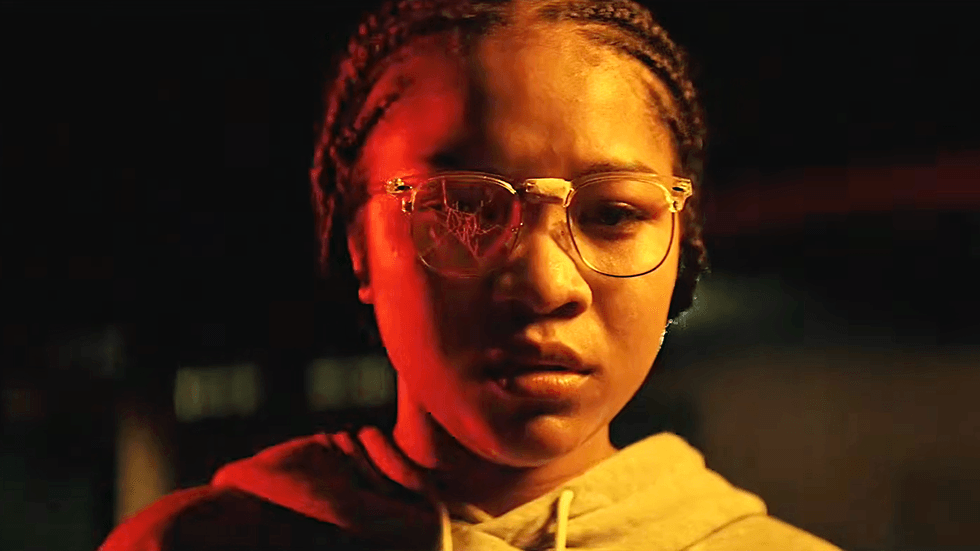 ‘The Angry Black Girl and Her Monster’ (2023)Credit: RLJE Films
Vicaria (Laya DeLeon Hayes) wants to use her intelligence to solve one of the world’s critical flaws. That death has to mean the end. After losing her older brother to gang violence, she puts her theories and skills to work in bringing him back to life.
It didn’t work so well for Victor Frankenstein, and it doesn’t work out any better for Vicaria. She becomes afraid of her sibling, rejecting him once she sees how violent he is. The themes of Frankenstein’s Monster are put onto the Black community in The Angry Black Girl and Her Monster, bringing another layer of tragedy as Vicaria risks losing more than just her brother.
The Bride! (2026)
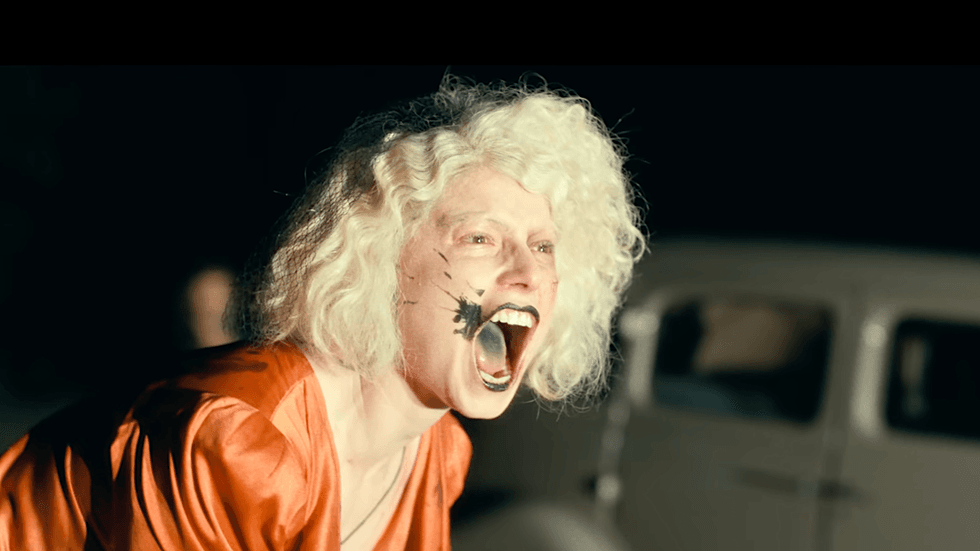 ‘The Bride!’ (2026)Credit: Warner Bros. Pictures
Only a few months after director Guillermo Del Toro’s take on Shelley’s novel, director Maggie Gyllenhaal brings a divisive take on Frankenstein lore by centering her film on the Bride, played by Elsa Lanchester in Bride of Frankenstein (1935), with only a few minutes of screen time.
That character is given new life with Jessie Buckley as Ida, a murdered woman who is “reinvigorated” to become the companion of Frank (Christian Bale), this movie’s version of the Monster. But Ida is restless and foul-mouthed. Not only is she adjusting to being alive, but Ida is possessed by the frustrated spirit of Mary Shelley.
There is so much going on, maybe too much, but what makes The Bride! essential viewing is Buckley’s performance, a grandiose juggling act of emotions.
Do you enjoy your Frankenstein movies staying closer to the novel or bringing a new spin?