Adobe FireFly Adds Support for Ray3, Luma AI’s Newest Video Mode, and the First to Support Native HDR
Adobe has announced that Luma AI’s latest video model is now available in the Firefly app, where it can be used to generate cinematic, high-quality video clips up to 10 seconds long.
Adobe Firefly Ray3
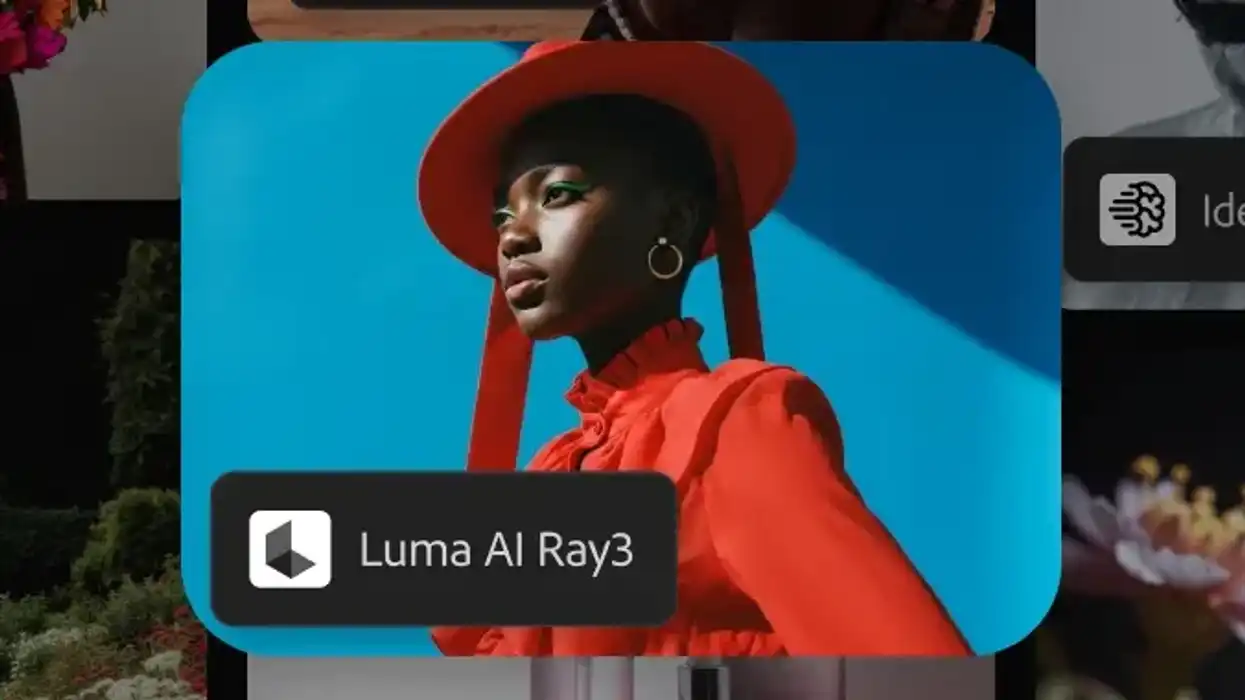
More generative AI options are coming to the Adobe ecosystem. Set to be available in the Adobe FireFly app starting today, the company has announced that Luma AI’s latest video model, Ray3, is now available in the app, where it can be used to generate videos and explore other creative concepts in FireFly Boards.
Adobe is partnering with Luma AI to be the first launch partner for Ray3 and reports that Firefly customers are getting early access to the model ahead of its broader public release. So, for the next two weeks, Ray3 will be available in the Firefly app and on Luma AI’s Dream Machine platform.
If this sounds like something you’re interested in exploring, here’s what you need to know about this announcement from Adobe.
Ray3 Comes to Adobe Firefly
So, what’s interesting about this news is that Adobe is doubling down on its stance of letting Firefly, and likely its other apps, become a partner or host for other generative AI models. This lets Adobe focus more on its apps and not exclusively chase AI technologies.
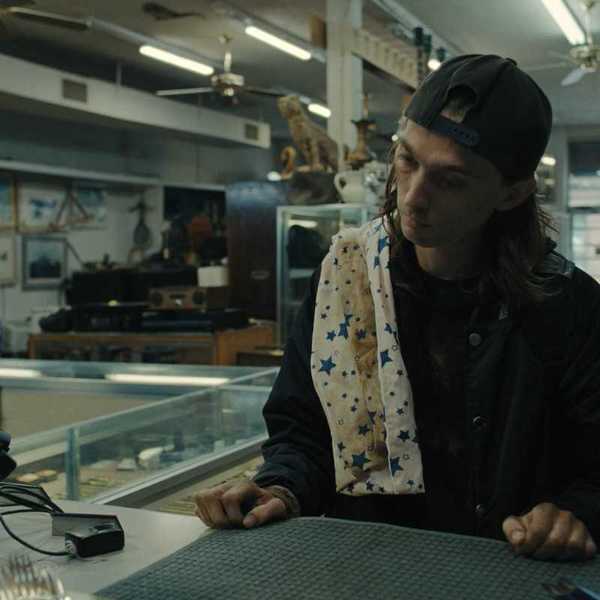
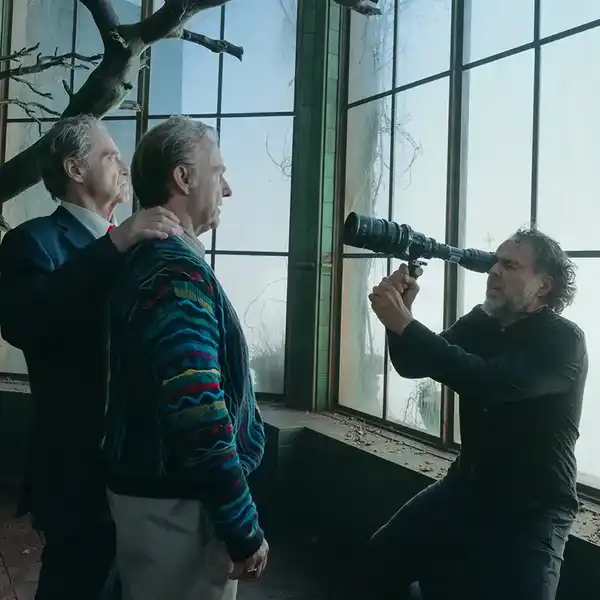
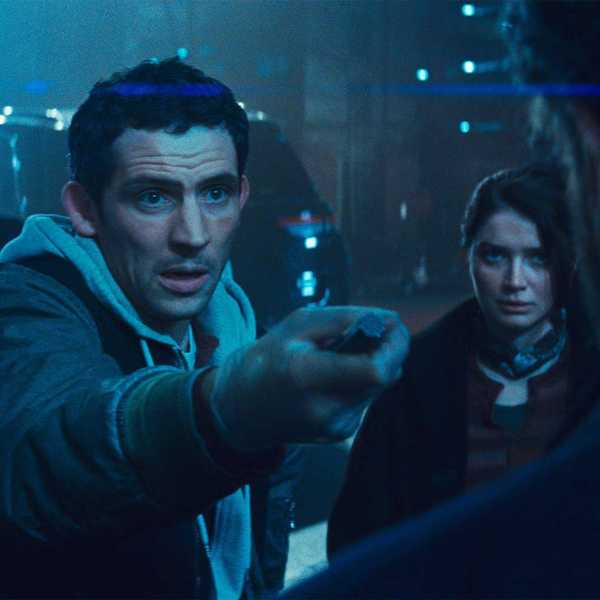
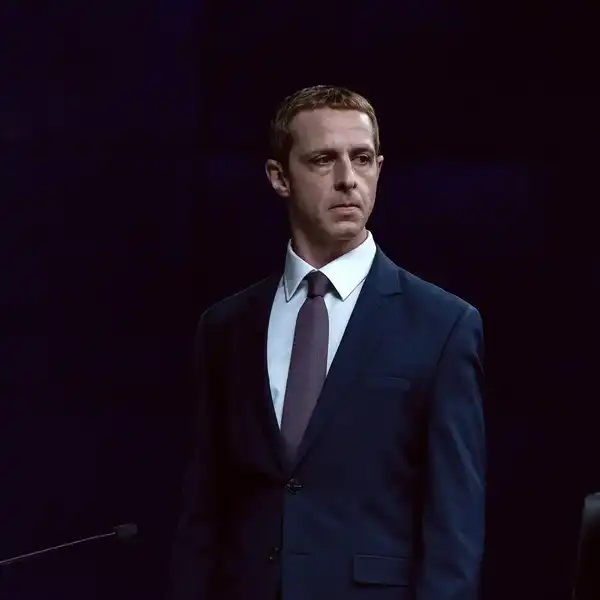
Luma AI’s Ray3 promises to let users generate cinematic, high-quality video clips up to 10 seconds long with greater realism and control than in past models.
"Ray3 was built with filmmakers, storytellers, and creators at the center, and this integration with Adobe Firefly makes that vision real. By combining Adobe’s creative app ecosystem with the intelligence of Ray3, we are giving creators the ability to move from idea to cinematic video in seconds with professional-grade quality and control. This partnership isn’t just about faster workflows; it is about unlocking entirely new ways to imagine and tell stories." – Amit Jain, CEO and Co-Founder of Luma AI
It’s also set to be one of the first video AI models to support native High Dynamic Range (HDR), which will help the model deliver richer contrast, deeper shadows, and brighter highlights in more of your usual professional-grade formats.
Plus, with Ray3 being built on a new multimodal reasoning system, the model should be able to better understand the user’s creative intent and deliver production-ready assets in a wider variety of complex circumstances, with Adobe sharing that these assets will be capable of including more advanced characteristics like motion blur, crowds, preserved anatomy, physics simulations, and world exploration
Ray3 is Available Starting Today
Overall, it sounds like the main market for this technology will be content creators looking to quickly generate b-roll or background footage to help fill in gaps for their short-form videos. It could also be used by filmmakers or producers to help with storyboarding or visual direction when used with Firefly Boards.
As mentioned above, this update is out today, and if you’re curious, you can try out Ray3 in the Firefly app today. To help interested parties get started, Adobe is offering unlimited generations with Ray3 for customers on a paid Firefly or Creative Cloud Pro plan (available now through October 1st). You can find out more info about Adobe Firefly and Ray3 on Adobe’s website here
.
- Adobe Updates its Terms of Use and Promises to Not Train AI on Customer’s Content ›
- Add AI on the Fly With Firefly's Integration Into the New Adobe Express ›
- More Generative AI is Coming to Your Adobe Workflows with New Firefly Video Model ›
- Adobe Adds Generative Sound Effects Plus Other New Video Capabilities to Firefly AI Models ›
- Adobe Announces Project Fast Fill to Bring the AI Power of Firefly to Video ›
- Adobe Firefly – A Look Into the Future of Generative AI for Video ›
- Adobe’s Firefly Generative AI Video Model Finally Releases to Public Beta ›
- Adobe’s Latest Firefly Update to Push Generative AI Further Than Ever Before ›
- Adobe Offering Unlimited Firefly Video Generations Through December 1st, 2025 | No Film School ›