The Single Line That Made ‘Gattaca’ the Ultimate Film About Grit
The quote, “I never saved anything for the swim back,” captures the film’s belief that destiny favors those who burn the exits.
Gattaca (1997)
In the dystopian, futuristic world of Gattaca (1997), social divisions like religion and caste may have stepped back, but only to be replaced by discrimination based on eugenics. There are naturally born people, and there are genetically engineered ones; the former ones are called “Invalids” and the latter “Valids.”
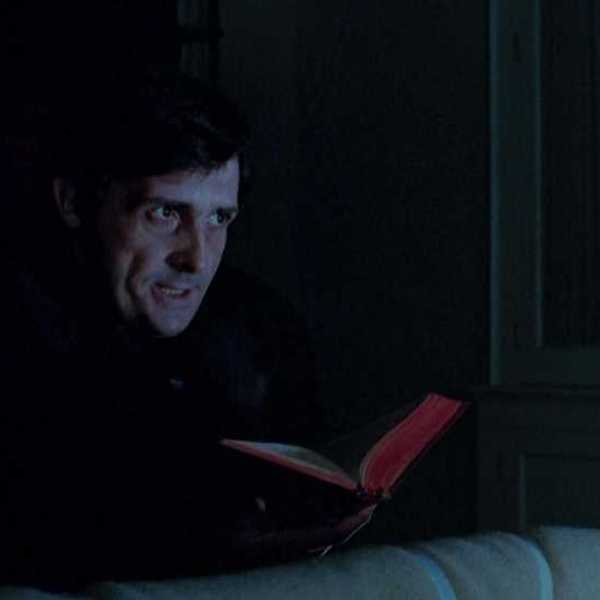
This is the story of Vincent (Ethan Hawke), who, while everyone else is busy optimizing their genetic portfolio, is playing “chicken” with the universe—the same universe that has tagged him as an Invalid. By doing so, he is not only aiming to win, but he is also trying to dismantle the system that forced limitations on him.
And at the center of his struggle is the philosophy that drives not only Vincent but also many of us as well. This is the philosophy of everyone who cannot afford to lose.
Context
It’s a world where people can be “created” to have robust genetics. A genetic registry maintains a database using biometrics to categorize such robust individuals as "Valids" and those born of natural, biological conception (and who are susceptible to genetic disorders) as “Invalids.” This system makes genetic discrimination possible, prompting employers to perform genotype profiling of their candidates and restrict the invalids to inferior tasks/positions.
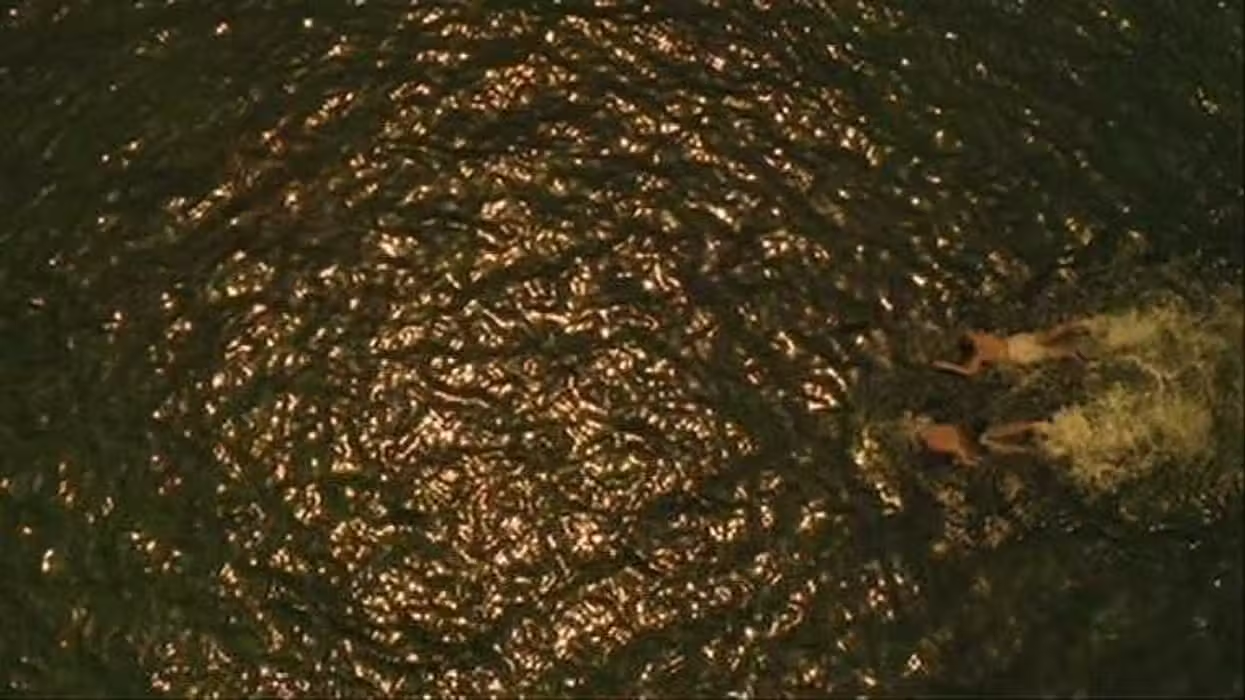
Vincent Freeman is an invalid whose genotype profiling indicates quite a few disorders, predicting a much shorter-than-average lifespan. His younger brother, Anton (Loren Dean), is a Valid—the product of a conscious decision by their parents to avoid the drawbacks of being an Invalid. As boys, the brothers would often play a game of chicken by swimming out to sea as far as possible. The first one to return to the shore would be considered the loser. Unsurprisingly, Vincent always lost the game, except on one occasion.
Once an adult, Vincent uses hair, skin, blood, and urine samples of a former swimming champion (Valid) to fake his genetic makeup. This enables him to pose as a valid and secure job as a navigator for a mission to one of Saturn’s moons.
When Anton finds out, he accosts Vincent and warns of the consequences of his illegal actions. Vincent assertively maintains that he has achieved this position on his merits. An argument ensues, and Anton challenges him to a game of chicken.
As they swim out into the sea, Anton, who’s already out of breath, is taken aback by Vincent’s substantially improved stamina. This is when Vincent tells him the secret of his success.
“You wanna know how I did it? This is how I did it, Anton. I never saved anything for the swim back.”
The Anatomy of an “All-In” Bet
Calculation vs. Desperation
Anton relies on the comfort of knowing that he is a Valid. He bears no pressure of “proving himself” as Vincent does. His drive is not as strong. So, when they swim, Anton’s priority is to stay alive. This prompts him to always have a mental calculator and take into account the distance back to the shore.
Things are opposite with Vincent. He always carries the pressure of being an Invalid in a world dominated by Valids. He knows that if he’s to thrive in this world, he will have to push his boundaries much farther than the Valids do. This makes him desperate. Desperate to the point where he eliminates the option of returning to the shore. By doing so, he forces his body to find energy that shouldn’t exist.
He knows he is gambling his body, but that’s the only way he can have the future he was told he wasn’t adequate for.
Safety Net: A Trap
The idea of a “Plan B” implies the continuation (possibility of success) after “Plan A” fails. That gives you the freedom to not commit fully to “Plan A.” While the Valids have the genetic advantage over Vincent, the only advantage he has over them is the lack of a backup plan. Only that gives him a chance to compete with them. So, when they focus on being careful, he focuses on being inevitable. Vincent proves that our limitations are nothing but mental anchors that we choose to carry.
Engineering Destiny Through Irreversible Choices
Reframing Risk as Reality
When Vincent says, “I never saved anything for the swim back,” he is essentially turning risk into reality. In his mind, the risk of drowning is less potent compared to the risk of staying stagnant or irrelevant. By committing fully, he stops being a victim of his DNA and starts being the architect of his own destiny.
The Power of the “Point of No Return”
I’m sure you all can agree that having no more than one option is quite liberating. Reaching a point of no return basically leaves you with only one option: to keep going ahead. The realization that you cannot go back frees you from the anxiety or pressure of choices. Since Vincent’s choices dwindle to just one, his focus becomes laser-sharp, and he can employ all his energy into moving forward.
This is the sheer power of the will—the psychological state that allows him to outperform individuals who are stronger and faster but far more hesitant.
Conclusion
Vincent’s philosophy should resonate with anyone who has ever felt sidelined. Whether they are women who are trying to make it in the male-dominated world or minorities or the disabled navigating systems built to exclude them, they know that half-measures are a luxury they can’t afford because they are playing a rigged game. They have to go all-in just to get a seat at the table. By not saving anything for the swim back, they turn their perceived weaknesses into a relentless, singular momentum.
- What is Neo Noir? Definition and Essential Examples - No Film School ›
- What Are The Best Science Fiction Movies of All Time? ›
- Deconstructing the Science Fiction Genre in Movies and TV ›
- The Top 10 Ethan Hawke Films That Define His Career ›
- Powerful First & Final Frames Throughout Cinematic History ›
- Dark Futures: 13 Best Dystopian Movies Ever Made ›
- "All I wanna do is go the distance." ›