You’re not the bad guy, but you still gotta run from your own people.
This narrative is served hot, mostly in thrillers — spanning spy, dystopian, and action thrillers.
These types of stories not only include themes of betrayal, a fugitive hero, and a wrongly accused protagonist, but there’s also an emotional hook that binds us to root for the hero.
Let's break down what this trope really means and how filmmakers incorporate a “hero hunted by their own side” in their films.
What is the “Hero Hunted by His Own Side” Trope?
 'The Bourne Identity' (2002)Credit: Universal Pictures
The trope features a protagonist on the run who is falsely targeted by his own team members, organization, or government agencies.
Basically, the protagonist is betrayed. They feel a sense of injustice and have to survive the onslaught from their own kind. Betrayal can come in many forms — false accusation, institutional corruption, or as simple as a misunderstanding, provided the hero is innocent all along.
Spies, undercover agents, or superheroes seem more prone to this trope as betrayal and conspiracy run deep in the veins of this subject.
Why the “Hero Hunted by His Own Side” Trope Appeals to Viewers
1. False Accusations and Injustice
When a character is falsely accused of a crime, they are forced to act as an outlaw to prove their innocence. Any borderline criminal action they do is justified to the audience. In real life, we don’t get to fight back against an unjust system without consequences. So in fiction, we watch people outsmarting the system and cheer for them without any guilt. It’s almost cathartic to watch someone succeed who is wrongfully accused.
2. The Underdog’s Journey
This trope falls under textbook underdog territory, and we love underdogs. Faced with impossible odds, the protagonist reminds us of ourselves, who are mostly not the most powerful, rich, or elite. We are those people who try to navigate their lives in a system that often works against us or doesn’t understand us fully. So, the hero’s victory holds more meaning than a story of a powerful person holding on to power.
3. Betrayal is an Emotion
Betrayal is an emotional damage that we humans can relate to at the deepest level. Getting your trust broken by a close one is more traumatic than by strangers. Betrayal forces the protagonist to survive by making difficult choices — to fight back or not, to harm their own people or not, to sacrifice their own values or not. Betrayal as a theme is a strong catalyst for internal conflict within the protagonist.
4. The Thrill of the Chase
The constant pressure on the hero by pursuers keeps us, as viewers, on the edge in high-octane chase sequences. They are always just an inch apart from getting caught or restating their name in the innocent list. So, the stakes never go away. If anything, the bar for the stakes keeps getting high as the hero inches closer to unravelling the conspiracy, and the real perpetrators double down on their efforts to nab them.
Common Variations of the Trope
1. The Framed One
The protagonist is falsely accused of a murder (mostly). They are framed for accidentally stepping on the secrets of their higher-ups or much more sinister cover-ups. This trope is prevalent in many action-thriller flicks.
2. Hunting the Rogue One
When an agency betrays its agents, or the agents themselves go rogue after knowing the rot in their system. Then, they are called a threat to national security. The trope can be seen in large-scale events involving corrupt governments or the state. Rogue agent tropes are famously used in spy thriller films.
3. Superhero vs. Supervillains
Almost all the superhero films use this trope at some point in the story. It’s when the mastermind supervillains manipulate citizens to believe that their messiah is an anarchist or a freak rogue agent — people start to fear the superhero, and the trust between them breaks.
Take Supeman (2025) for reference. Lex Luthor (Nicholas Hoult) temporarily shakes up people’s trust in Superman (David Corenswet) when he broadcasts Superman’s parents’ message globally — hinting at their poor outlook towards the human race and directing Superman to rule the earth. The thought that Superman is a beacon of hope stops among citizens, only for a second.
Iconic Movies Where Heroes Are Hunted by Their Own Side
1. Bourne Identity (2002)
- YouTube
One of the many CIA's covert operations in Africa fails, which was to be executed by a highly-skilled assassin, Jason Bourne (Matt Damon). Now, the CIA wants to tie up its loose ends by eliminating Bourne. But one problem, Bourne goes rogue. The CIA hunts him as they fear he’ll expose them for their unlawful activities of creating behaviorally modified soldiers for their missions — Bourne is one of them.
2. Minority Report (2002)
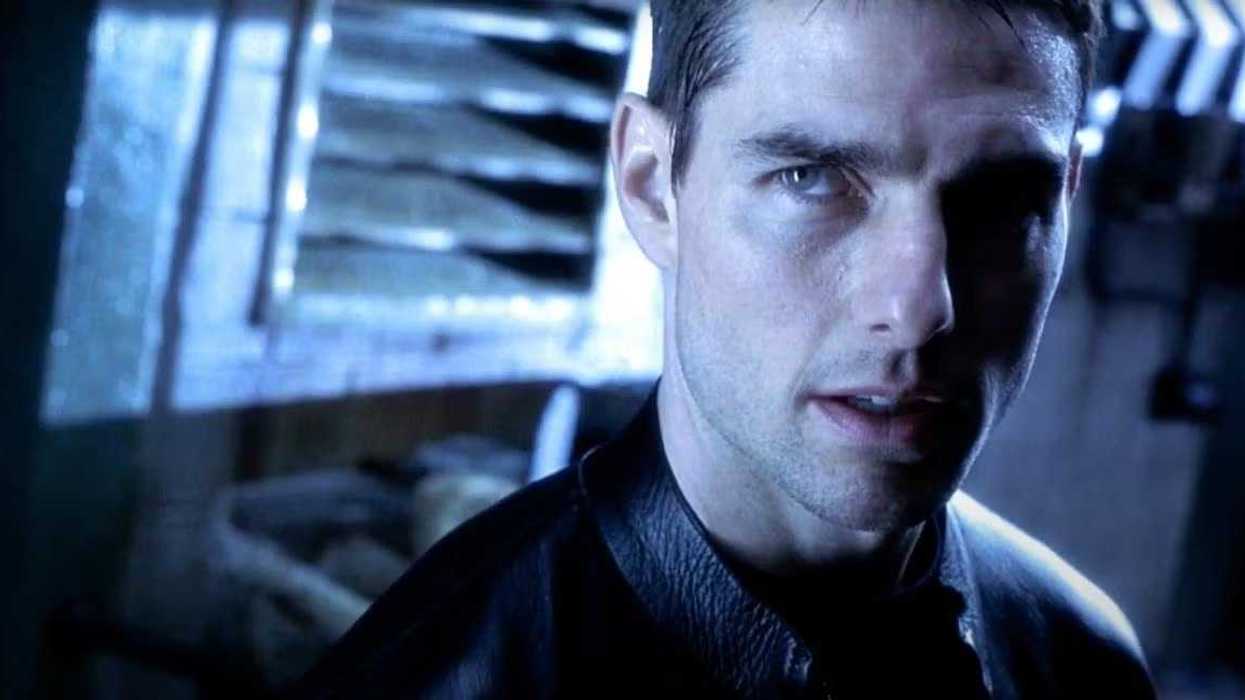
In Steven Spielberg's sci-fi dystopia, John Anderton (Tom Cruise) leads the Pre-Crime police, which detects crime before it’s even committed. But one fine day, the precogs predict a crime that implicates John himself. John, the hunter, becomes the hunted as he runs to prove his innocence even before he’s committed the crime.
Turns out, the prediction was false and planted by Pre-Crime Director Lamar Burgess (Max von Sydow). John was close to uncovering a prior murder of Anne Lively (Jessica Harper), which Lamar had committed. So, he was framed.
3. The Fugitive (1993)
Richard Kimble (Harrison Ford) is wrongly accused of murdering his wife, Helen Kimble (Sela Ward). All the evidence points against him, orchestrated by a pharmaceutical company named Devlin MacGregor to silence Richard from exposing their new drug.
Richard breaks free on his way to prison and is on the run. He needs to find the real killer before the US Marshal Samuel Gerald (Tommy Lee Jones) hunts him down.
4. First Blood (1982)
Sheriff Will Teasle (Brian Dennehy) hates outsiders coming to his town. For the same reasons, he tries to apprehend John Rambo (Sylvester Stallone), a veteran Green Beret. Rambo pushes back, which pisses the Sheriff off more.
When Deputy Sgt. Galt (Jack Starrett) accidentally gets killed while chasing Rambo, Teasell frames the latter for Galt’s murder and initiates an all-out manhunt for him.
5. Captain America: The Winter Soldier (2014)
When Steve Rogers (Chris Evans) finds hints of Hydra’s (a Nazi-affiliated terrorist organization) involvement in S.H.I.E.L.D., Secretary Alexander Pierce (Robert Redford) declares Captain America a fugitive.
While on the run, Captain America partners up with Agent Romanoff (Scarlett Johansson) to collect evidence and expose S.H.I.E.L.D.
Conclusion
A “hero hunted by his own tribe” somehow feels personal because it’s an underdog’s quest to escape an unjust system with limited resources. It mirrors our reality, where the system we live in works mostly against us. And to face it means dire consequences. So, when we see a character going through the same, we automatically take their side and get on the ride with them.
Apart from the action and thrill, these kinds of films also reflect the themes we deal with in our day-to-day lives — betrayal, injustice, and speaking truth to power.
- What Are Movie Tropes? ›
- What is the "Chosen One" Trope? ›
- The “Rival-Becomes-Ally” Trope Explained: Why Enemies Make the Best Partners ›
- How Jack Reacher Was Formed To Combat This Detective Trope ›
- 'Pig' and 'John Wick' Are Prime Examples of Shaking Up This Trope ›
- "Laughing In The Face Of Danger" Trope Is The Ultimate Power Move For A Movie Hero ›
- Why Chaotic Filmmaking Works in 'The Bourne Ultimatum' and Fails in 'Taken 3' | No Film School ›