The “Rival-Becomes-Ally” Trope Explained: Why Enemies Make the Best Partners
This article breaks down how stories turn feuding characters into partners and why the shift feels so satisfying.
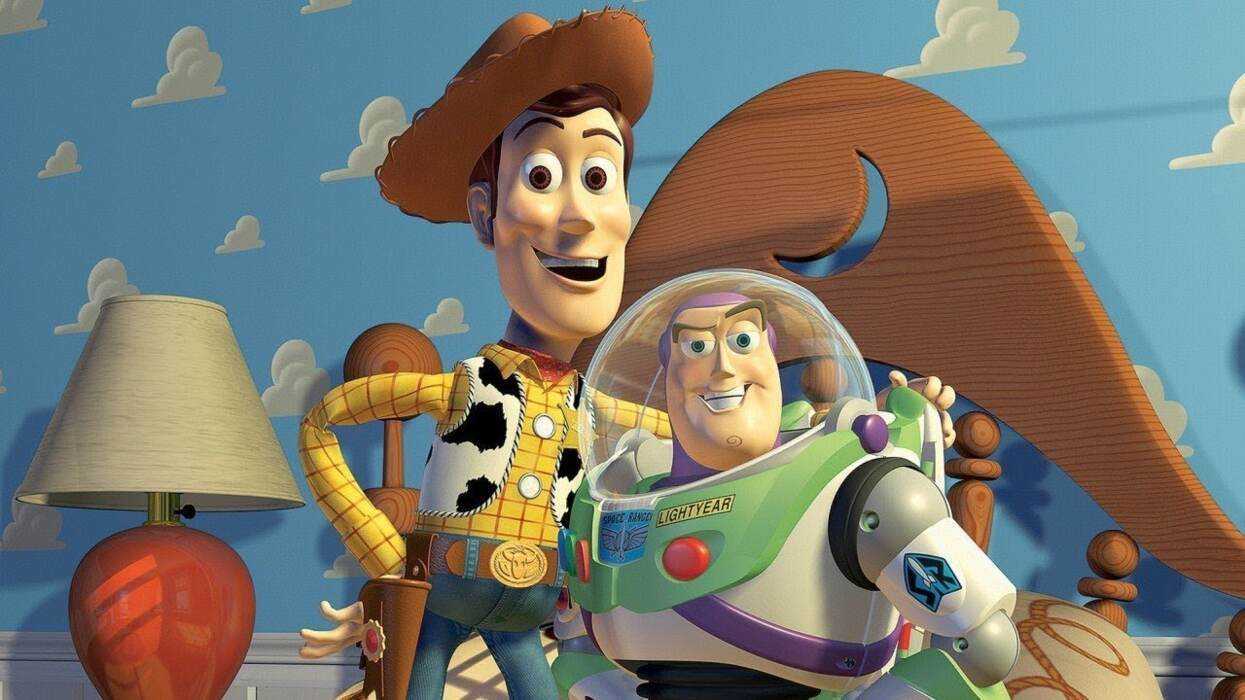
Toy Story (1995)
A good story thrives on conflict. But a conflict between good and evil is kind of humdrum. Yes, it has the excitement of the clash, but that’s it. Nothing soul-stirring as such.
Conflict gets that soul-stirring quality when it culminates in something unexpected, like the feuding parties suddenly coming together and fighting on the same side. There is a certain kind of satisfaction in seeing two opposing forces shaking hands. And that’s why quotes like “I think this is the beginning of a beautiful friendship” become iconic. It just feels pretty damn good.
We have seen this shift happening many times before; take your war sagas, superhero stories, sports movies, and even romances, but it never loses its luster. That’s because these shifts hold a muted message: enemies are sometimes nothing more than mirrors waiting to be understood.
We always lean into these happy mergers, so let’s now lean into understanding how this fun trope works.
What the “Rival-Becomes-Ally” Trope Means
Definition
The “rival-becomes-ally” trope is a plot device that functions on the narrative shift of two belligerent characters who start in open conflict with each other but eventually join hands. Their motives can be anything from fighting a common enemy or escaping a dangerous situation, to sometimes just realizing the futility of their feud. This shift from hostility to cooperation (if not out-and-out friendship) changes the direction and energy of their story, which also adds new perspectives and possibilities for tension and character growth.
The Origins of the Trope
Although not in its current evolved form, the trope’s origins can be traced back to the ancient period. Often considered the first story ever written, the Sumerian/Akkadian tale, The Epic of Gilgamesh (2100-1200 BCE), narrates Gilgamesh, the king of Uruk, at first fighting with Enkidu before becoming his inseparable ally. In Greek mythology, the Iliad (8th century BC), Achilles and Hector briefly recognize each other’s honor before marching on towards their deadly conflict.
As for the classic literature, in Pride and Prejudice (published in 1813), Elizabeth Bennet and Mr Darcy, after a period of mutual dislike and antagonism, move on to develop romantic interest in each other.
In early cinema, such as The Adventures of Robin Hood (1938), Robin Hood (Errol Flynn) and Little John (Alan Hale) first clash in combat but then join forces. Similarly, in Cool Hand Luke (1967), Luke Jackson (Paul Newman) and Dragline (George Kennedy) turn their initial rivalry into camaraderie.
Why Writers Use This Trope
Raising Stakes and Reframing Conflict
When two rivals join hands, especially if they are forced to collaborate, their story gains new tension. They may be working together, but they still have internal hostility, so their every decision and every action feels sharper. This trope comes in handy to reveal how individual priorities and values function in or contribute to a difficult partnership. Since they have to put their differences aside and work together towards a common goal, their alliance also puts the main conflict into a new perspective, adding new dimensions to the narrative arc.
How Alliance Shifts Benefit Character Arcs
The rivalry-turned-alliance is basically a shortcut to character development. These internal changes in characters impact their individual beliefs, prejudices, and values, and force them to reflect on why their enmity existed in the first place. This shift highlights emotional growth and shows how cooperation (even if it was forced) softens emotional barricades.
Key Tensions inside the Trope
The key to using this trope effectively and more believably is to be aware that the new alliance doesn’t erase the old differences; it buries them under new priorities. The process of building trust is slow and moves alongside their joint pursuit. Even while working together, they still carry their doubts and grudges towards each other; it’s for the good, though, since they keep the story active and their character arcs continually evolving.
For example, they may know what to do, but might disagree on how to do it. Their personal insecurities, biases, codes, fears, and pride might interrupt their journey together. They might bicker over who gets control. They often come close to derailing this partnership, in which case, the story gets to show if they are capable of burying their differences and looking at the bigger picture.
These overlapping tensions create a layered relationship that they have struggled to achieve, and that‘s why it seems more realistic rather than convenient. And perhaps, that’s the secret why this trope has lasted for so long and is still thriving.
Iconic Examples That Show the Trope at Its Best
Toy Story (1995)
When Andy (John Morris) gets a new toy, Buzz Lightyear (Tim Allen), who is shinier and has more features, his old toy, Woody (Tom Hanks), gets jealous and becomes very insecure. The first half of the story is marked by their attempts to outwit each other. Another aspect that contributes to their differences is their core beliefs: while Buzz considers himself more substantial than just a toy, Woody, despite accepting the fact that he is a toy, still believes he is imperative to (and in charge of) Andy’s happiness.
In the second half, however, they are both accidentally left at a Dinoco gas station and have to collaborate to come home together. Then, once again, they get trapped at Sid’s house and have to figure out a way to escape. Here, when Woody saves Buzz, it becomes the first blow to their enmity.
Spider-Man 3 (2007)
The relationship arc between Peter Parker (Toby Maguire) and Harry Osborn (James Franco) starts as close friends. However, when Peter, as Spider-Man, kills Harry’s father and the movie’s villain, Norman Osborn/Green Goblin (Willem Dafoe), the friendship turns into enmity.
This enmity continues throughout the trilogy, but shifts when Harry learns the reality of his father and the fact that Peter was right to kill him; they become friends again and fight against their common enemies, Venom (Topher Grace) and Sandman (Thomas Haden Church). Harry’s sacrifice in the end highlights how even worst enemies can reclaim loyalty in times of dire need.
Mad Max: Fury Road (2015)
When Max (Tom Hardy) and Furiosa (Charlize Theron) meet, they are both fighting for survival and control. They live in a highly violent and volatile world, so they trust no one.
When they work together, their partnership hasn’t formed out of shared ideals. It’s the shared necessity. They have both started a revolt against Immortan Joe (Hugh Keays-Byrne) and his army of War Boys. This situation replaces suspicion with cooperation. Their trust develops slowly, and it’s never expressed in words, but always displayed through actions.
Conclusion
The “rival-becomes-ally” trope works because it adds dimensions to the story by turning conflict into possibilities, reshaping characters, and directing the narrative into a new territory.
This alliance also feels satisfying because the two opponents begin to see what they couldn’t see before, and make a good change possible. And when it happens, it becomes the heart of their story.
And who’s to say the affection for this trope doesn’t lie in our deep desire to see our world become a friendlier place where enemies turn into friends and live in harmony?
- Friends Close, Enemies Closer: The Most Famous Lesson From 'The Godfather' ›
- How George Miller Teaches Us to Watch 'Mad Max: Fury Road' | No ... ›
- How the Framing In 'Mad Max: Fury Road' Keeps the Viewer ... ›
- How 'Toy Story 3' Cemented Pixar's Unstoppable 15-Year Streak ... ›
- Bet You Didn’t Notice Toy Story 3 Is Structured Like a Prison Break Movie ›
- The Inarguable Spider-Man Movie Rankings (Hot Takes!) | No Film ... ›
- 8 Great Filmmaking Lessons from Sam Raimi's 'Spider-Man 2' | No ... ›
- The “Hero Hunted by Their Own Side” Trope Explained (With Examples) ›