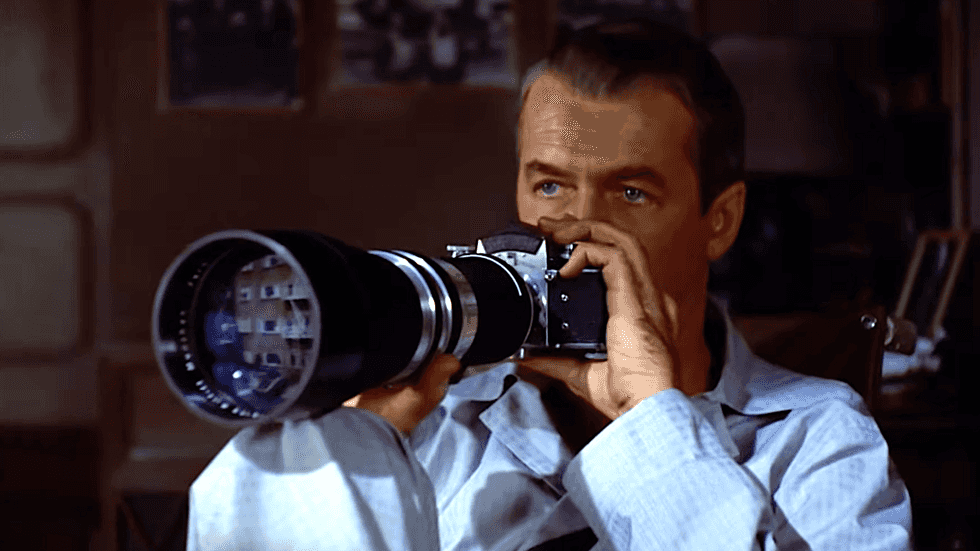
Rear Window (1954) is one of the best films directed by Alfred Hitchcock, and it’s ranked among the greatest films of all time. But what screenwriter John Michael Hayes did shouldn’t be overlooked.
Hayes expanded on the setup and characters of the original short story by Cornell Woolrich — Grace Kelly wouldn’t have even had a role if the film was a truly faithful adaptation.
Find out below what stayed the same and what changed in Rear Window.
The Short Story That Became a Hitchcock Film
Rear Window isn’t the only adaptation made from the work of prolific crime writer Cornell Woolrich. Additional short stories of his that were turned into films include: “The Boy Who Cried Murder,” which was made into the 1949 noir The Window, and “The Bride in Black,” which was made by director François Truffaut.
 ‘Rear Window’ (1954)Credit: Paramount Pictures
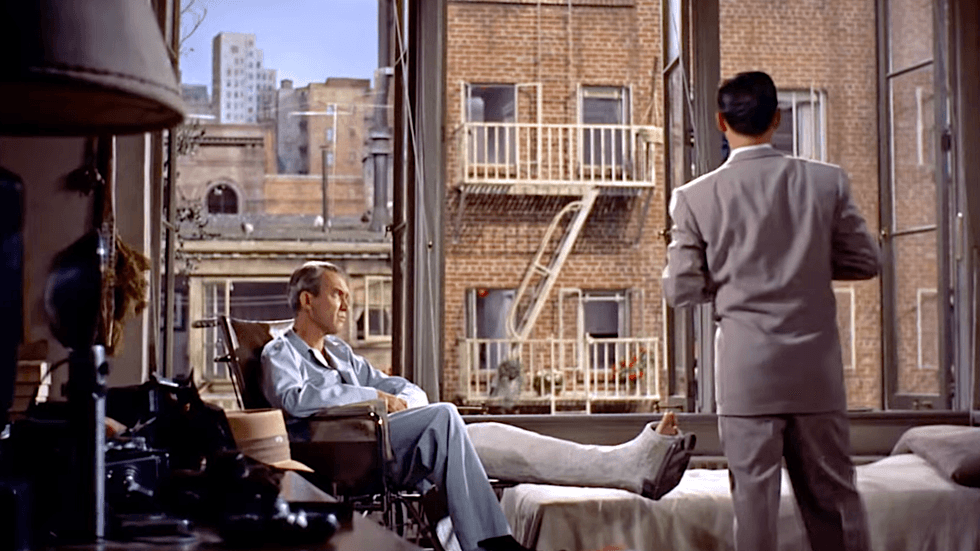
Still, the short story that inspired Rear Window is what Woolrich’s is best known for. Under the pseudonym William Irish, Woolrich wrote “It Had to Be Murder,” back in 1942, with a plot that Rear Window fans would recognize.
A man named Hal Jeffries is unable to leave his apartment due to a broken leg. He becomes a nosy neighbor by the window, but his observations take a dark turn when he believes Lars Thorwald, who lives in the building across, has killed his sickly wife and is actively covering it up. Jeffries alerts two allies to his theory. The sleuthing culminates in Thorwald trying to kill Jeffries, but failing. That sounds all familiar, doesn’t it?
While the screenplay for Rear Window doesn’t pivot into new directions that completely revise the plot, they do stand apart in the changes put in.
Hitchcock’s Adaptations
 ‘Rear Window’ (1954)Credit: Paramount Pictures
Many of Alfred Hitchcock’s films are based on literature. There is Daphne du Maurier’s Rebecca and The Birds, Patricia Highsmith’s Strangers on a Train, and there is Woolrich’s story. Screenwriter John Michael Hayes explained his involvement with “It Had to Be Murder” in an interview with Susan Green.
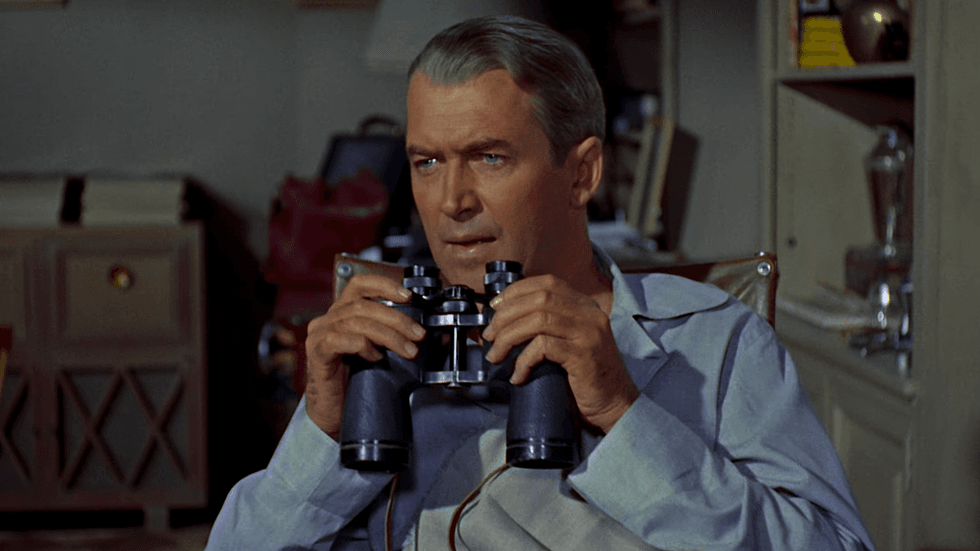
Hayes was writing for radio detective shows, Suspense and The Adventures of Sam Spade, when he was approached by Hitchcock to adapt Woolrich’s mystery. In the short story, Jeffries’ career isn’t a detail that is provided. In the movie, the character’s name is made L.B. “Jeff” Jefferies (James Stewart), and he is turned into a photographer, which connects to the voyeurism theme.
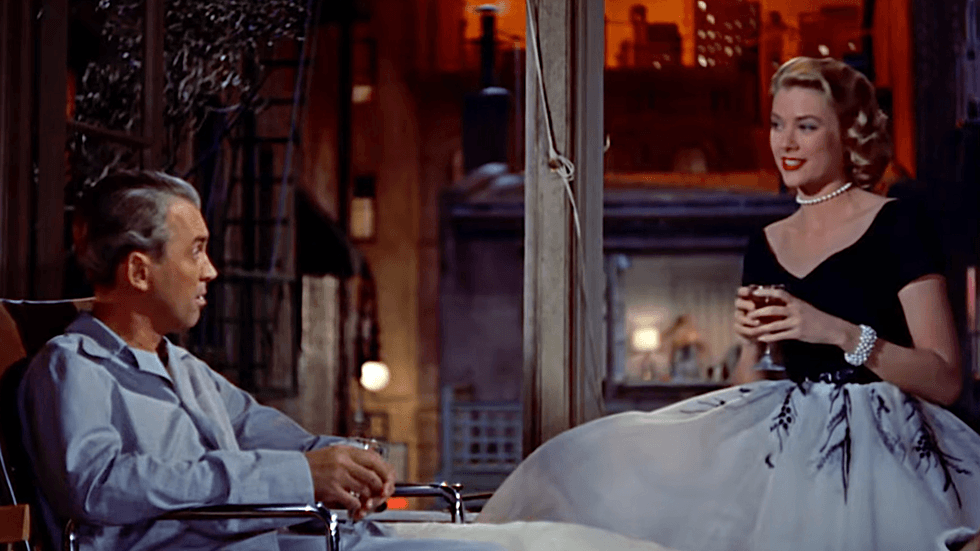
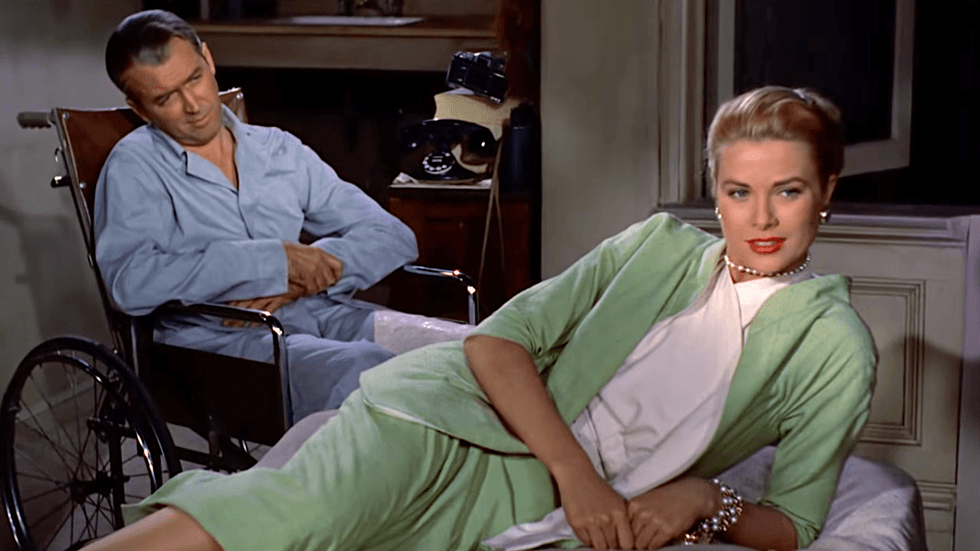
Hayes used his personal life to create one of the biggest changes in the story: Grace Kelly’s role of Lisa, the love interest of Jeff. Hayes shared that his wife, Mel, and her career as a fashion model inspired the character. Hayes also knew Kelly and Stewart would star in Rear Window, so he wrote his screenplay with them in mind. “I wrote a part specially for Thelma Ritter if they could get her,” Hayes went on to say, “and they did.”
Solving a Mystery With Colorful Characters
 ‘Rear Window’ (1954)Credit: Paramount Pictures
In “It Had to Be Murder,” Jeffries seeks help from his old acquaintance, Detective Boyne, and his day houseman/friend Sam. Boyne has two officers sneak into Thorwald’s apartment to look around for evidence of a murder (which they don’t find), and Sam is very superstitious when he hears the sound of a cricket, believing it to be an omen of death.
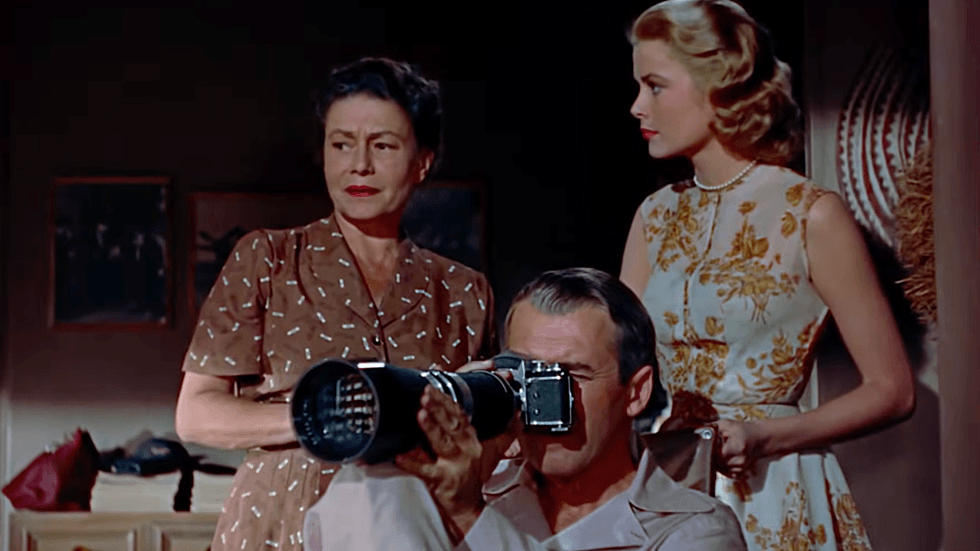
Boyne is renamed Doyle (Wendell Corey) in Rear Window, and he investigates Thorwald (Raymond Burr) as much as he can without a warrant. The lack of a police presence adds to the suspense. Sam’s character is split into Lisa and Jeff’s nurse, Stella (Ritter).
While Sam is more passive, begrudgingly following orders when Jeffries tells him to get Thorwald’s address or snoop in the killer’s apartment, Stella and Lisa are more active players. Both of them become as invested in solving the murder as Jeff is.
The Cast of Rear Window
 ‘Rear Window’ (1954)Credit: Paramount Pictures
Stella is the comic relief with a motor-mouth. Lisa proves to Jeff that she has an adventurous spirit by how far she is willing to go in their amateur sleuthing. Lisa is responsible for one of the movie’s great suspense set pieces when she decides to sneak into Thorwald’s apartment. “It Had to Be Murder” has a shorter, less effective sequence where Jeffries has Sam snoop in Thorwald’s apartment when the killer leaves.
Woolrich’s writing comes from Jeffries’ first-person POV. Rear Window, on the other hand, is filled with quick-witted banter that fits the film medium. One great line comes from Stella. When discussing how couples should be attracted to one another, she believes, “they ought to come together, wham, like a couple of taxis on Broadway.”
The emphasis in the dialogue on Jeff’s commitment issues establishes another difference between the two versions of this story. A theme of marriage anxieties is prevalent in the source material.
The Marriage Anxieties in Rear Window
 ‘Rear Window’ (1954)Credit: Paramount Pictures
The first thirty minutes of Rear Window might confuse new viewers who expected to get right into the murder mystery. This early chunk is wholly focused on exploring Jeff’s fear of commitment to Lisa, further represented by the various relationships and lives he spies on around the apartment complex. Woolrich’s short story mentions a young couple who love the nightlife, a widow with her child, and the killer and his wife.
Rear Window grows the cast of tenants, filling them in with individual quirks. There is a young dancer with a busy social life, newlyweds who become unhappy with each other, an older couple who sleep on their fire escape (Thorwald kills their dog in a tragic plot point that is only found in the movie), a songwriter struggling with his composition, a lonely woman who imagines the perfect date, and a neighbor with an abstract sculpting hobby.
The endings for Jeff and Jeffries are thrilling, but for different reasons.
Woolrich’s Story Has a Different Ending
 ‘Rear Window’ (1954)Credit: Paramount Pictures
The movie completely removes something important in the short story. There are renovations happening in the apartments above Thorwald’s, which gives Jeffries the clue to where Thorwald hid his wife’s body. To protect himself from getting caught, Thorwald sneaks into Jeffries’ home to shoot him. It fails, and Thorwald attempts to flee but is killed by Detective Boyne. The story rewards Jeffries by having him get the cast off his leg in the closing line.
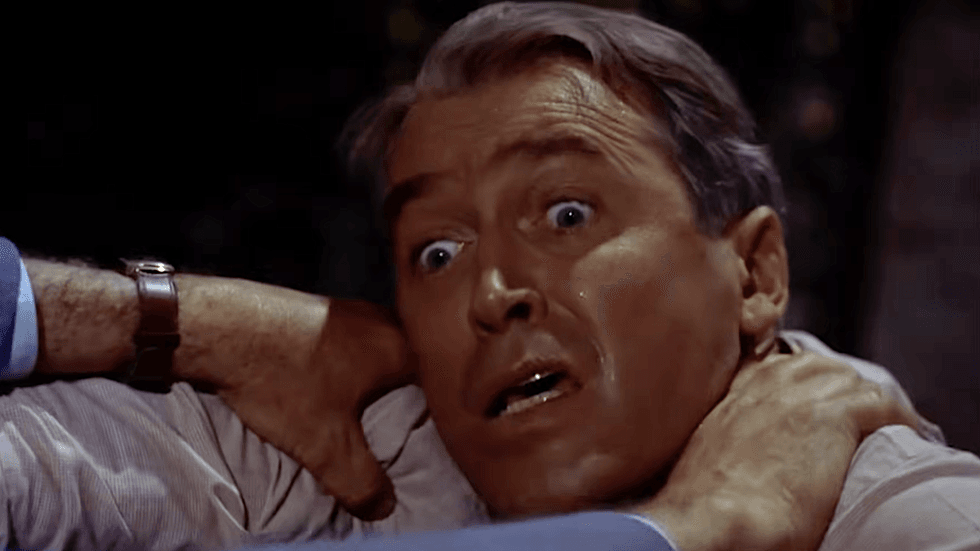
In the finale of Rear Window, Thorwald tries to kill Jeff by pushing him out of the window after Jeff briefly stuns the killer with his camera’s lightbulbs. The police arrest Thorwald, but only after Jeff falls. That plot choice seems to punish Jeff for his voyeurism by leaving him with two legs in a cast. But, at least in the last scene, he has accepted Lisa into his life.
“It Had to Be Murder” and Rear Window can make for a fun exercise to see how a short story can be successfully adapted and expanded upon to become the classic it is.
- 4 Cinematic Techniques Alfred Hitchcock Uses in 'Rear Window' to Turn You into a Voyeur ›
- How Hitchcock Used Editing to Turn 'Rear Window' into a Masterpiece of Visual Storytelling ›
- How Did These Epic Paintings Inspire Hitchcock's 'Rear Window'? ›
- 1954 Hitchcock Thriller Masterpiece Ranked Among the Greatest Films of All Time ›