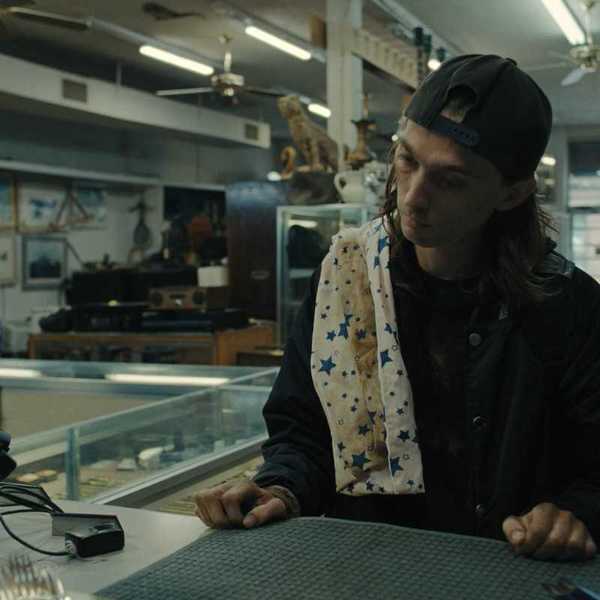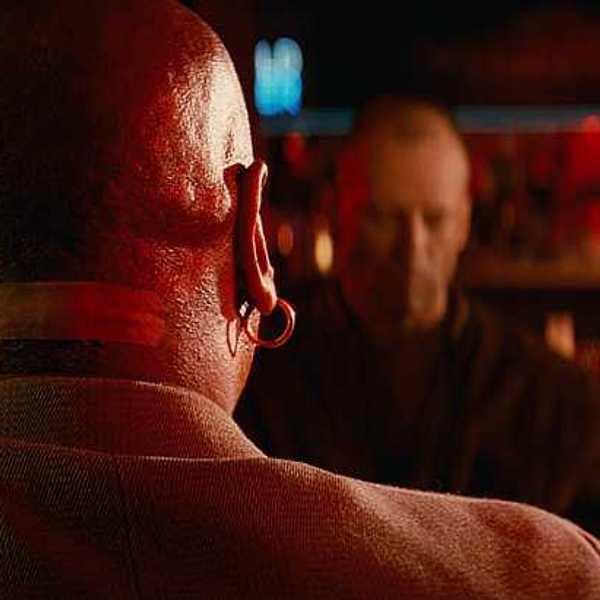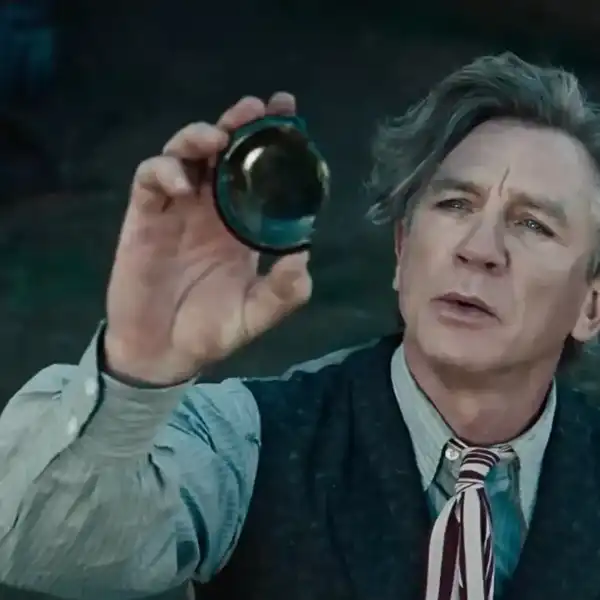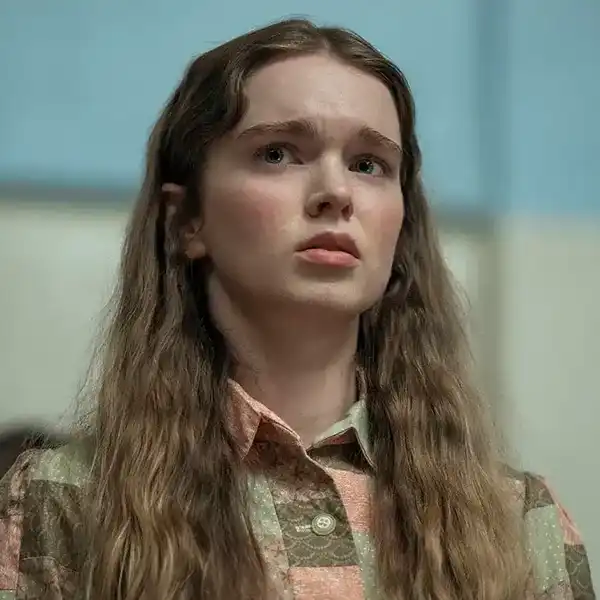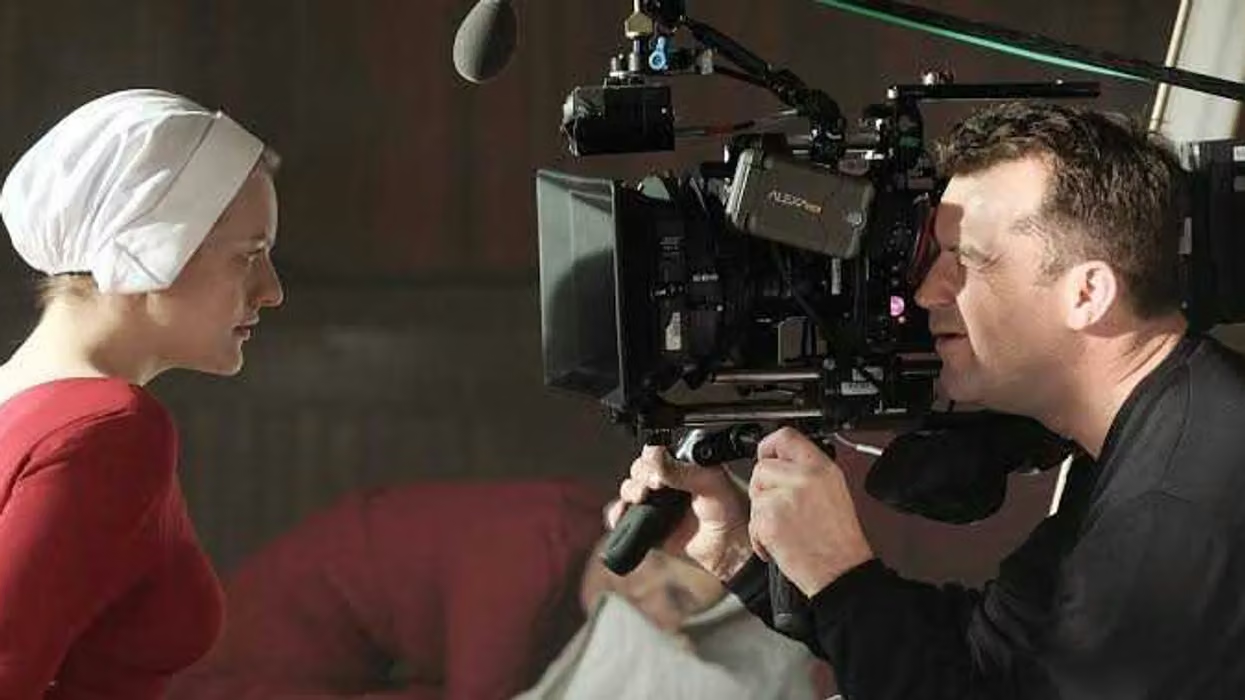
There are always trends in cinematography. Right now you might bemoan the flat, lifeless look of Netflix lighting, but 15 years ago you may have hated the drastic handheld look so many action and thriller films were using. So it goes.
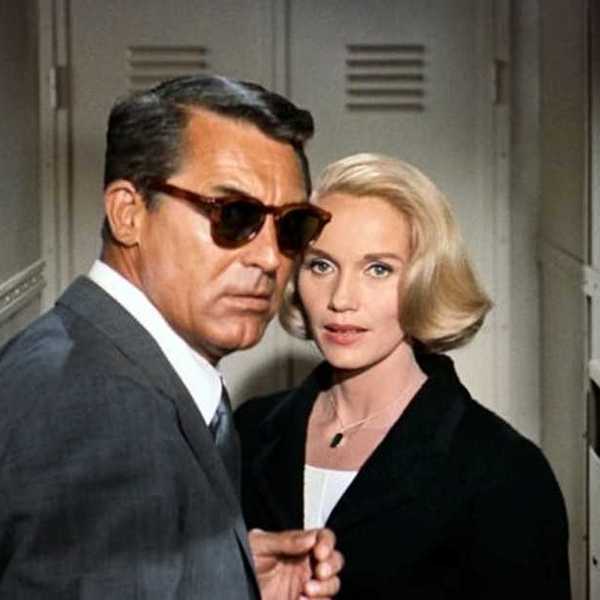
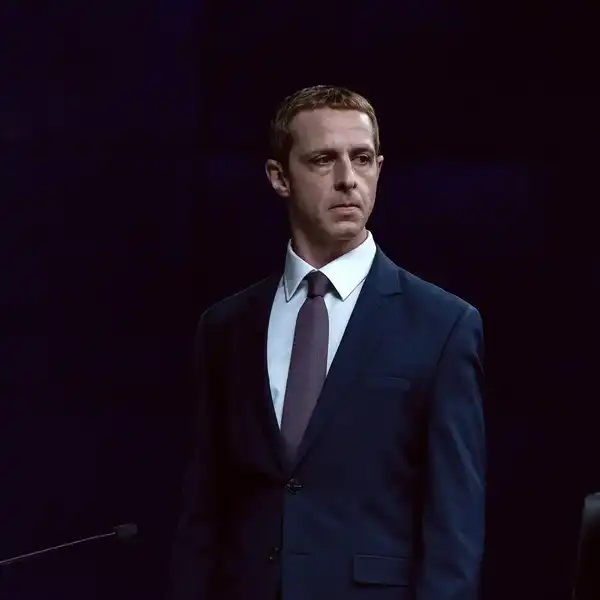
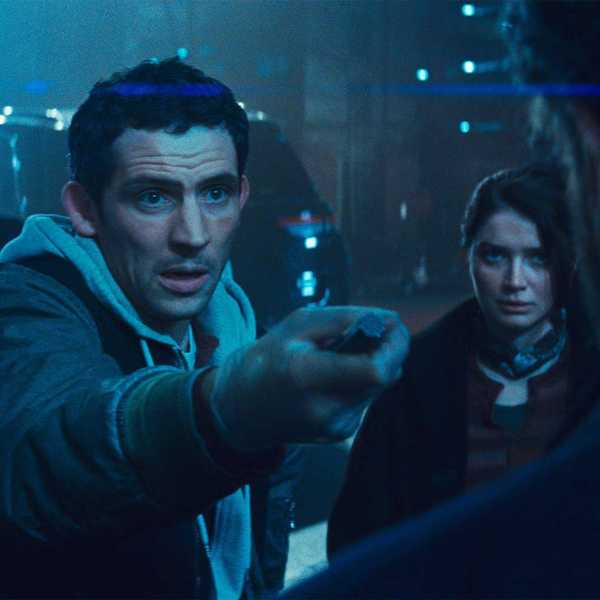
DP Larry Fong has noticed another recent trend, and it seems to involve shoving a camera in an actor's face and shooting wide open so all of the background is out of focus. You might get a good frame out of this, but if you overdo it, all your coverage is going to look that way, and no matter if it's fast and easy and looks "composed," it can get boring fast. Blurry does not automatically mean "cinematic," it turns out.
He discussed his issue with its overuse and why it's used in a conversation on the CineTalk Podcast with Hugo Will. He also talks about working with Zack Snyder and some of the unconventional things they did together. Check out a clip below.
- YouTube www.youtube.com
Shallow Focus Is a Tool, Not the Goal
Fong shot the LOST pilot, which earned him an ASC nomination, and went on to shoot 300, Watchmen, and Batman v Superman for Zack Snyder, plus Kong: Skull Island. He says most filmmakers might have a familiar moment, especially if you grew up with cheaper or older cameras. Anyone who grew up shooting on camcorders knows a blurry background was out of reach until suddenly it wasn't.
"Remember when you were a young photographer, and you're doing portraits, and then you realize, oh, this aperture thing, oh, kind of a blurry background is cool, and that's what you couldn't get, like on a Super 8 camera, a video camera, VHS. So when a normal person discovers that, it's like a magic bullet. Oh, it's a great tool, but it's not always. Do you want to shoot all the way open?"
No, he says. Point blank.
"No, I mean there's no rule that says the least depth of field wins."
He puts depth of field alongside every other creative decision.
"So is that always the best choice? No, it's a choice like any other choice. What's the color of the light and what's the angle of the light? How contrasty? That's another tool, but it's variable. You don't say I'm a better—like, there's no Oscar for shallowest depth of field in a motion picture."
The Cost of a Blurry Background
Fong's favorite example comes from the LOST pilot. The show was shot on location in Hawaii, but you might never know it from the close-ups.
"When we shot LOST, spherical 35, to do the coverage we used a long lens that they called the Hubble; it was 420 mm. It was used all the time for the singles; the camera was 40 feet away like this, everything was out of focus. So today, everyone would say that's really cool, except for the fact that we were killing ourselves shooting in Hawaii in the mosquitoes and the heat and the sweat and the rain and the clouds, but there's just a green blur behind them."
The crew noticed the irony too. Crew joked that they might as well have shot against a green screen, since the close-ups only showed a wall of green behind the actors.
That's a common complaint with shooting so tight from many viewers. What's the point of a location if you can't see any of it and you just smudge it into oblivion? If you're paying for a location, think about whether your audience will ever see it with the shots and lenses you choose.
Don't Chase a Trend
Why does everyone default to wide open? Filmmakers copy each other.
"It seems like that's what everyone's goal is," Fong said. "And that's the only goal. It's kind of—remember when everyone's using a Ring light during the pandemic. I feel like people just chase things because other people are doing it instead of what's the best thing."
In a discussion in the Roger Deakins forums, cinematographer David Mullen, ASC, notes that shallow and deep focus have swung in and out of fashion for decades.
Shallow focus and diffusion were popular in the 1930s, deep focus got overused after Citizen Kane, and fast lenses brought shallow focus back in the 1970s. Today, Mullen argues, it's trendy enough to get used indiscriminately simply because it looks pretty.
It is obviously hard at the indie level to get super creative with your cinematography simply because you're pressed for time and need to get your shots in the can. But when you default to what is common or trendy, you are missing a chance to put your stamp on a work as a DP.
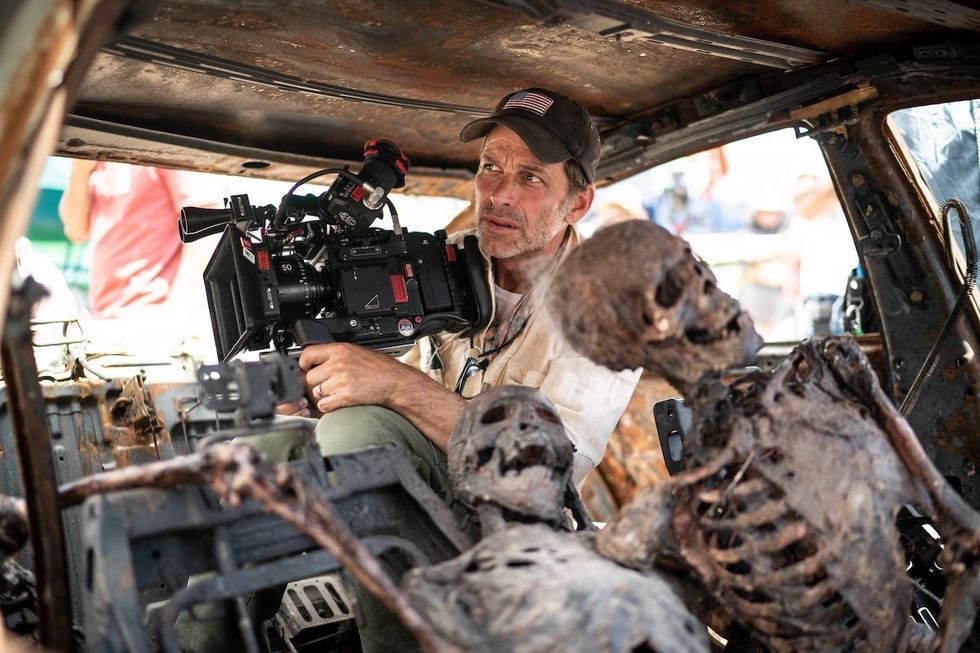 Zack Snyder on the set of 'Army of the Dead' Credit: Netflix
The Army of the Dead Experiment
Funny enough, the users on the Deakins forum specifically bring up Army of the Dead, a Zack Snyder film, as an example of shallow field they don't like. (Fong is a longtime collaborator but didn't shoot that film.)
He gives credit to Snyder as the director who pushed shallow focus furthest.
"Do you remember on Army of the Dead, what he did? Got the "Dream" lens, Canon "Dream" lens, had it adapted on the full frame."
Snyder, who served as his own DP on Army, told CinemaBlend that the lenses were 1960s Canon "Dream" lenses that open to f/0.95, giving a very thin, dreamlike depth of field, paired with RED Monstro cameras.
The rehoused lenses didn't even have aperture blades, so stopping down wasn't an option (via Kosmofoto).
"So Zack, you could not stop down no matter what," Fong said. "So they had to put all these NDs even in the exteriors where the operator couldn't see, and the focus guys—they did a test, by the way, with the focus puller, and half the footage was out of focus, and the focus puller said like, 'Sorry, half of it's out of focus. I don't know what to do.' And Zack said, 'I wasn't even expecting that much. We're gonna do it.'"
Snyder cared more about isolating the characters, so he had a motivation for the look, though not everyone liked it in the end. None of this means shallow focus is the enemy. It just needs a reason to be used.
I called back to The Handmaid's Tale because it so famously used a lot of tight, wide-open shots to isolate its characters and get in their headspace. DP Colin Watkinson shot on the ALEXA Mini at apertures as wide as 1.4, sometimes with a Zeiss 28mm just inches from Elisabeth Moss.
A camera's focus tells the story. So know why you're doing it, and don't forget to vary your shots.