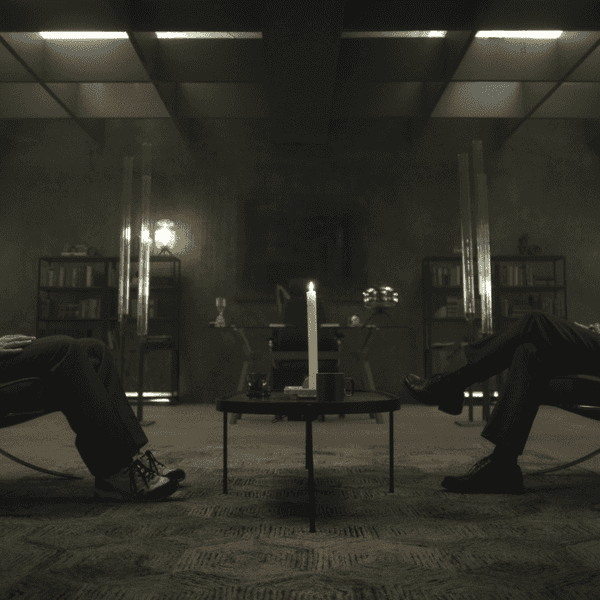
Cinema titan Robert De Niro made a quick pit stop to the famous Criterion Closet this past week. Although his video compilation is only a minute and a half long compared to the usual 5-7 minute compilations, he still grabbed several films that were seminal to his film upbringing. Let’s take a look at them.
A Look Into Robert De Niro’s Criterion Closet Picks
Big Deal on Madonna Street
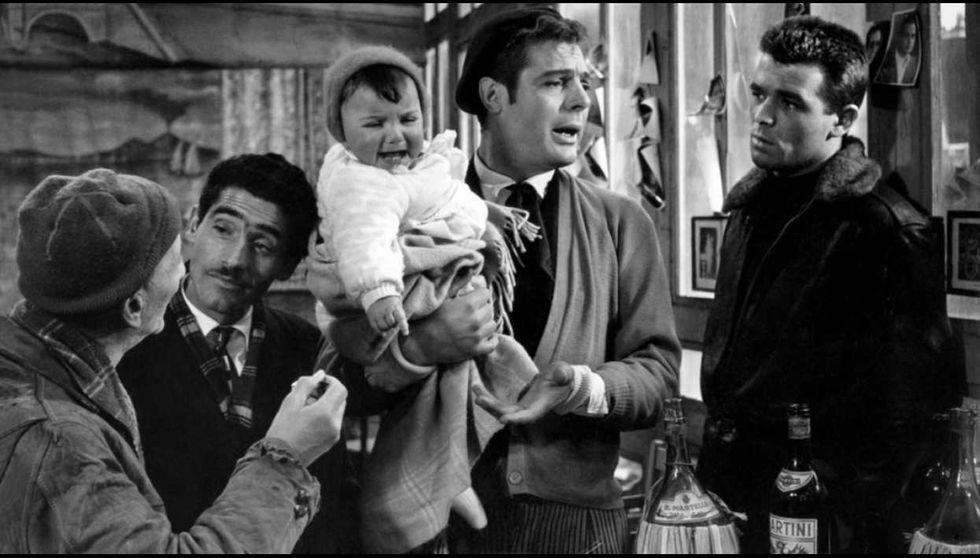 ‘Big Deal on Madonna Street’Credit: The Criterion Collection
Widely regarded as a landmark of Italian film, Big Deal on Madonna Street serves as a caper heist comedy following a group of petty thieves who decide they want to rob a well-known pawn shop in the center of Rome.
Directed by legendary Italian filmmaker Mario Monicelli, the 1958 film received an Academy Award nomination, representing its home country in the International Film category. Famously, the film took over six months to be dubbed for the United States after its initial completion due to the high costs for the technology of the time. Ironically, the film was screened for critics and scholars in both subtitled and dubbed versions, and the audiences overwhelmingly preferred the subtitled version. The dubbed cut of the film eventually made its way to American cable television in the early 1960s.
Divorce Italian Style
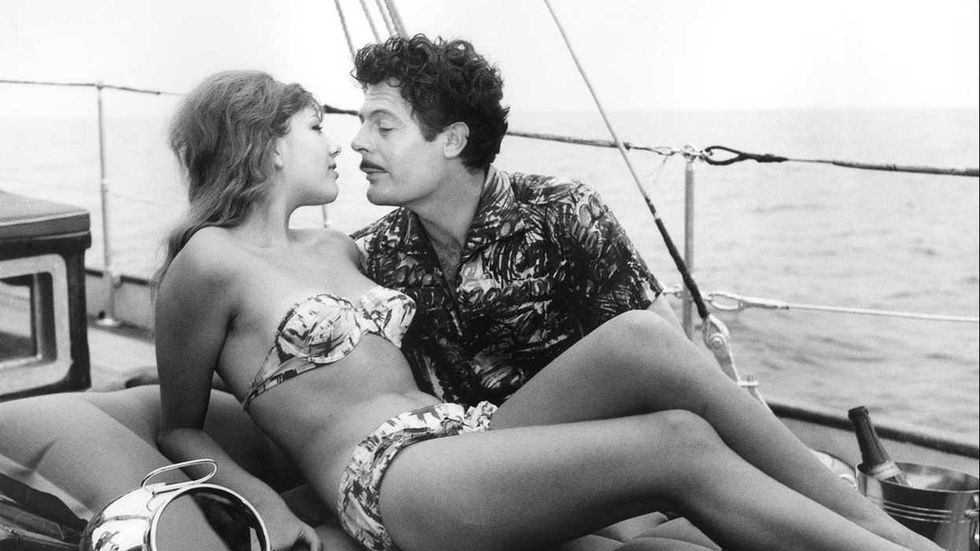 ‘Divorce Italian Style’Credit: The Criterion Collection
Staying within the realm of Italian comedy films, Divorce Italian Style is a 1961 film following a man trapped in a marriage with a woman he can’t divorce. He begins searching for other men to seduce his wife, in an effort to justify his potential murder of her in the future.
The film remains perhaps the most famous and successful by Italian filmmaker Pietro Germi, who co-wrote the script with writers Alfredo Giannetti, Ennio de Concini, and Agenore Incrocci. The script, which was an adaptation of the 1960 novel, A Crime of Honor, earned the writers an Academy Award for Best Original Screenplay. Despite being an adaptation of a novel, the Adapted Screenplay award that year went to To Kill a Mockingbird.
Much of the success of the film in the United States, both from the general audiences and awards aggregates, came from an exceptional amount of attention from well-respected critical circles in the U.S., such as The New York Times, Variety, and The Hollywood Reporter. The film was also adapted into an opera in September 2008 by composer Giorgio Battistelli.
Blow-Up
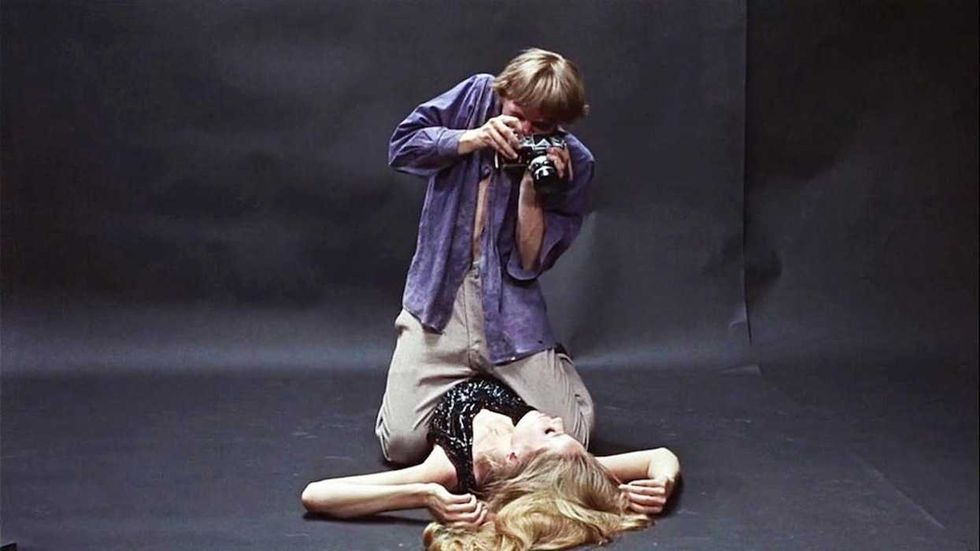 ‘Blow-Up’Credit: Warner Bros. Pictures/The Criterion Collection
Likely the most famous film picked out by De Niro during his visit, Blow-Up represents a landmark shift in Italian-American cinema in both quality and content. It is the first English-language film by acclaimed filmmaker Michelangelo Antonioni, and follows a fashion photographer in London who believes he may have accidentally captured a murder on his camera.
At the 1967 Cannes Film Festival, the film defied all expectations and took home the top prize at the festival: the coveted Palme D’Or, which many to this day consider the highest honor a film can receive. But what cemented this film’s place in history was how it later influenced the cinema of the United States.
The late 1960s were defined by a sense of counter-culture and rebellion. Filmmakers began defying the infamous Hays Code, and audiences in general began to get hungrier for more mature, potentially explicit forms of storytelling. Blow-Up is famous to this day for the at the time extreme sexual content which made it an initially controversial piece of work. However, due to the film’s eventual success, the Hays Code was eventually abandoned and replaced with the modern-day rating system defined by the Motion Picture Association. The film was nominated for both writing and directing Oscars, as well as 3 BAFTAS.
The Agnès Varda and Federico Fellini Box Sets
De Niro also snagged two of the biggest box sets that Criterion displays on their shelves: The Complete Works of Agnès Varda and the Essential Fellini sets. De Niro reminisced about his relationship with Varda, and her husband, filmmaker Jacques Demy, as well as his experiences with Fellini’s work. He cites La Dolce Vita as a film that had a massive impact on him, and recalls his first viewing experience, where he saw Fellini in the flesh coming down to introduce the film.
The Criterion Closet videos continue to be an inspiring source of taste expansion and curation. Seeing the works that most influenced major artists of today is an inspiring way to both curate your own tastes and interests, but also learn a decent amount while doing so as well. Even though De Niro was out of the Criterion Closet within just a few minutes, he still offered a great deal of inspiring insight.
- When Pacino Met De Niro: The Scene That Stopped Time ›
- Robert De Niro to Film School Graduates: "You're F@#&ed" ›
- Cinematic Gold: 8 Celebrated De Niro Movie Quotes ›
- The 7 Greatest Robert De Niro Movie Roles ›
- What Would Han Solo Pick in the Criterion Closet? ›
- Forgotten Classics From the 90s: Robert DeNiro’s Most Underrated Film ›
- This 2001 Musical Flop Is Now A Beloved Criterion Collection Classic ›