6 Filmmaking Lessons from Steven Spielberg's Q&A with Christopher Nolan
Two legends compare notes on adaptation, casting, and building effects that serve the actor.
This morning I woke to several friends on my feed posting clips of Christopher Nolan chatting with Steven Spielberg at the DGA. Don't worry, I'm not jealous at all.
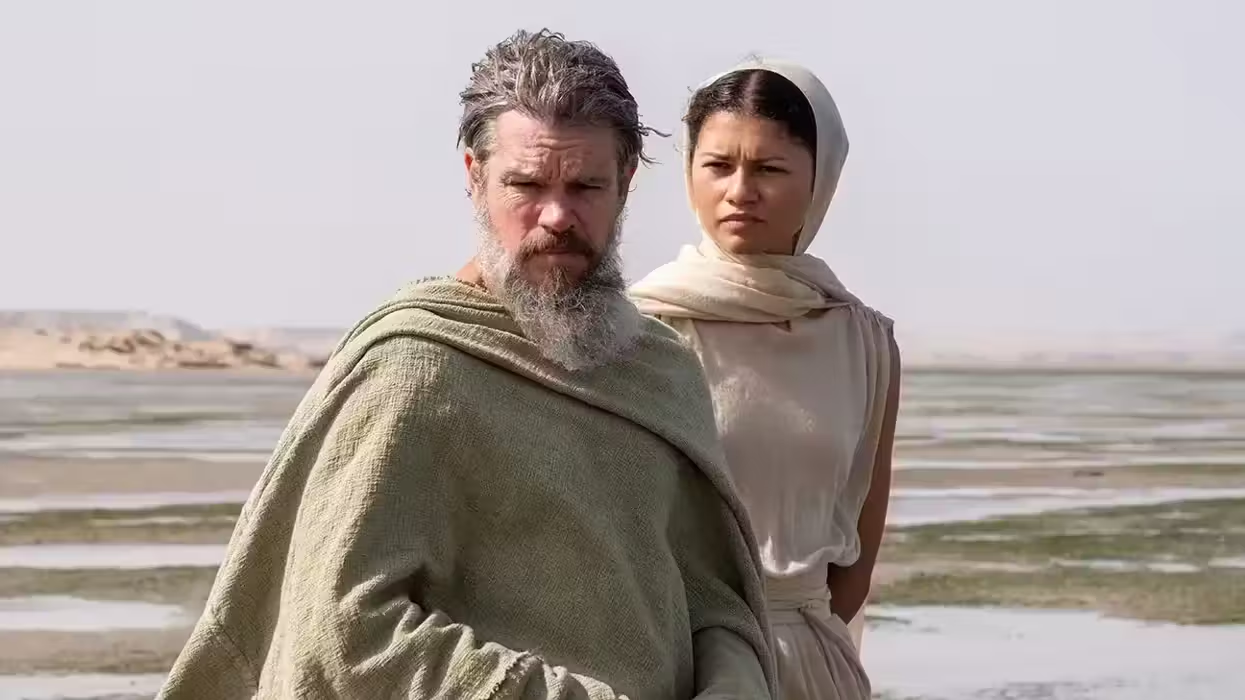
Universal has started pushing The Odyssey's Oscars campaign in earnest, with last night's 70mm IMAX screening of the film at the DGA Theater, attended by director Nolan, with a discussion moderated by fellow legend Spielberg. (Nolan is also the DGA's current president, so this was home turf for him.)
Their conversation covers how Nolan picks a project, how he adapted a 2,800-year-old poem, and how his effects teams pulled off some of the film's strangest images. Thankfully we have a glimpse inside their chat with video from FieldsOnFilm. Check it out here, then dive into the biggest takeaways.
- YouTube www.youtube.com
Do One Thing at a Time
Spielberg opens by calling Nolan the most unpredictable director of their generation. Nolan says the unpredictability comes from how he works.
"I always find it hard to figure out what to do next," Nolan says. "Probably one of the reasons it's been unpredictable, as you say, it's because it's always a surprise to me as well. I really do one project at a time. I'm not very good at developing multiple things at the same time."
He spends a lot of time thinking and researching, but when he's ready to go, the writing comes fast.
"When I sat down, I wrote it very fast. But a lot of that was taking months and months to just think about it, research it, you know, visit some of the sites, museums, see what was in the archaeological record."
Find the Movie Nobody Has Made
Nolan says the success of Oppenheimer gave him the chance to mount something huge. Greek mythology hadn't been done definitively in the modern era. He thinks that's partly because the Ray Harryhausen era did it on a shoestring, without today's effects tools.
"I think part of me looked at it and said, you know, you're looking for a gap in movies," he says. "You're looking for what hasn't been done, and in a way, The Odyssey hadn't been done on this scale with this kind of a movie budget with the resources of modern technology."
Your Source May Have Already Solved the Structure
Spielberg praises the film's two narrative tracks as the key move in the script. One is Travis Scott's bard telling the legend. The other is Odysseus telling his own story in a haze on Calypso's island. Spielberg asks if that was one of the first ideas Nolan had for the narrative.
"No, it was one of the first ideas Homer had," Nolan says with a laugh.
Nolan says most of the poem takes place in Ithaca, not on the voyage. That gave him two threads to cut between.
"When you think you've been an innovative storyteller, you go back to the oldest foundational text of Western literature, The Odyssey, and it has this incredible nonlinear structure."
Plant What the Original Never Had To
Homer's first audiences already knew the Trojan War and its characters, so the poem didn't need setups. A movie audience does. Sinon is the biggest example. Nolan took the name from Virgil's Aeneid and invented the character: a soldier left behind to sell the lie of the horse, who comes back among the dead in Hades.
Nolan saw that issue in a few places. The epic poem is often stripped back, bringing up characters and beats only when they matter to a moment in the story. He had to think of things in terms of plant and payoff for film audiences. Spielberg calls this out.
"It just gave a great balance to the story because the seeds you planted in the first act pay off in the third act," Spielberg says.
"And that's what's missing in the poem," Nolan says. "It's a poem. It's not a movie, right? So, Argus the dog is not introduced in the poem. The first time you see Argus is, you know, as he recognizes his master and then dies. And so, to make that work in a film, I realized in adapting the screenplay that really it's all about creating the appropriate setups in the first act payoff."
Write the Character, Then Cast
Build the Effects Around the Actor
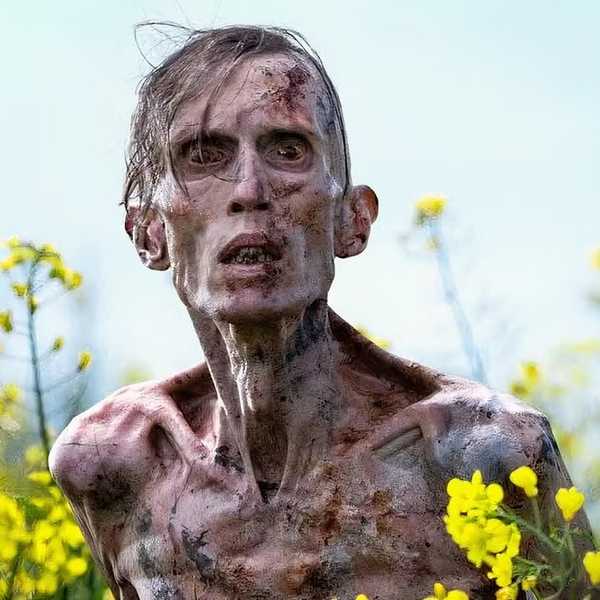
In the Circe scene, Samantha Morton turns the crew into pigs by reshaping their heads with her hands. Nolan says the prosthetic heads had magnetized, fractured skulls under flexible silicone skin, so they snapped back together between takes. It made things easier on everyone.
"When you bring your visual effects artists in, right, and your special effects artists, and you make them part of the main unit, if you have them in pre-production with you, if you have them on set the whole time working with you, you can come up with methods like that that can serve the story and serve the actor."
Spielberg, who directed Morton in Minority Report, adds his own version of the lesson.
"No, I had the same experience on Minority Report. You know, once she got the lay of the land, understood what the scene was about, I just let her go."
Practical effects can help keep the scene, and your actors, grounded.