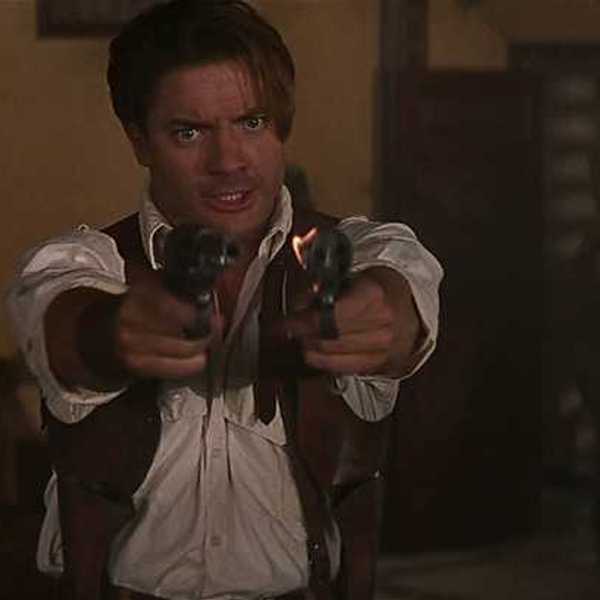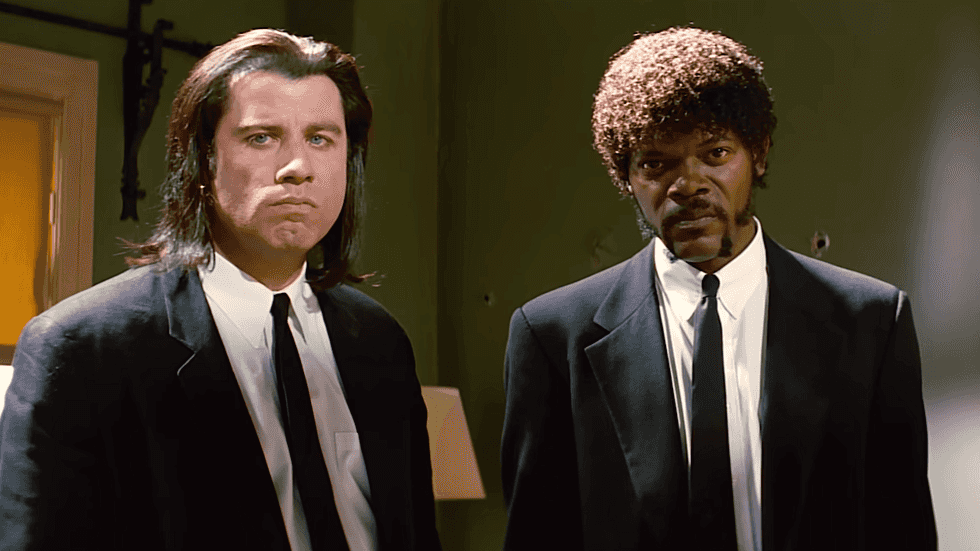
The 1990s were a banner decade for cinema. In fact, the year 1994 would be a movie lover’s dream, where a trip out to a theater could give you a pick of different genres, and the choice of seeing a blockbuster or indie. Most famously, Pulp Fiction was a landmark film released during this time, but it wasn’t the only hit with audiences.
The year would give up-and-coming directors and actors their big break; they would push new ground for independent cinema; and an animated film became a classic against all odds.
Take a look back in time to see the essential movies of 1994 below. How many have you seen?
1. Speed
Release date: June 10, 1994
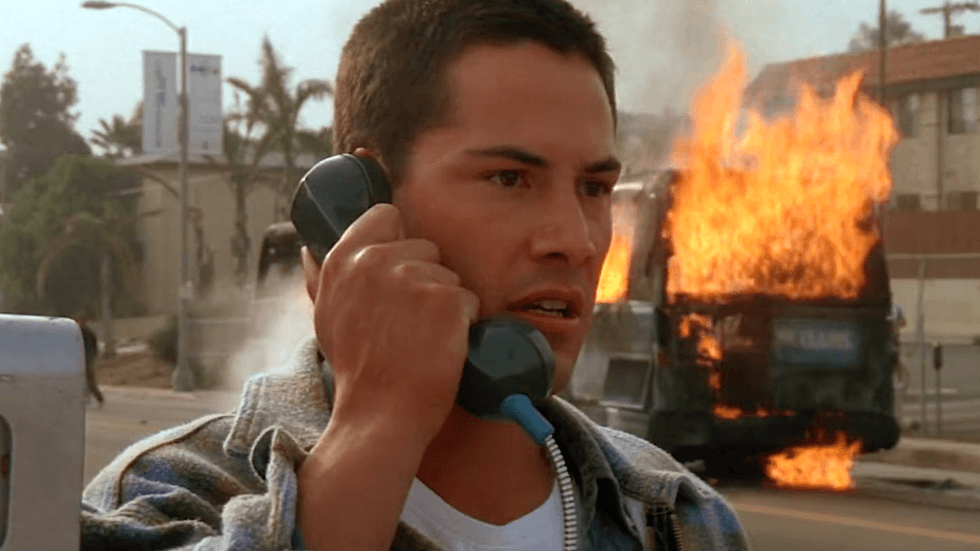 ‘Speed’ (1994)Credit: 20th Century Fox
The feature debut by director Jan de Bont saw LAPD SWAT officer Jack Traven (Keanu Reeves) having to keep a city bus from going below 50 miles per hour, or else a bomb rigged on it will be detonated.
It launched the career of Sandra Bullock, elevated Reeves into an action star, and the rest of the cast, on and off the bus, made sure the suspense never lost steam. While de Bont went bigger with digital effects for his next film, Twister, the practical effects and stunts of Speed are like shots of adrenaline. From the opening in an elevator shaft to the bus centerpiece, and ending in the subway, this action blockbuster became one of the best in the genre.
2. The Lion King
Release date: June 15, 1994
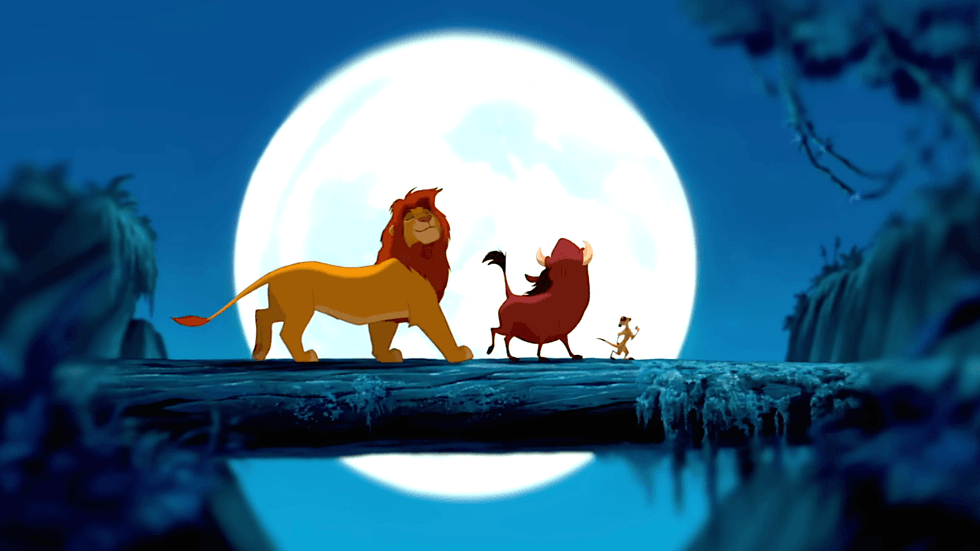 ‘The Lion King’ (1994)Credit: Buena Vista Pictures Distribution
The story of a lion who must reclaim his throne in the African savanna. The Lion King was deemed a side project at Disney and given a “B-team” of a less experienced crew, while the “A-team” handled Pocahontas. Of the two, The Lion King would become a box office goldmine and a defining classic of the Disney Renaissance.
The cast was perfectly matched for their roles. Just as iconic were the animal designs, the vivid landscapes, and, of course, the music. The original songs by singer Elton John and lyricist Tim Rice can make you feel like a kid again. The score by Hans Zimmer made sure the story was an epic, which was made more personal by Zimmer having created the theme for Mufasa as a requiem for Zimmer’s own father, whom he lost during childhood.
3. The Adventures of Priscilla, Queen of the Desert
Release date: August 10, 1994
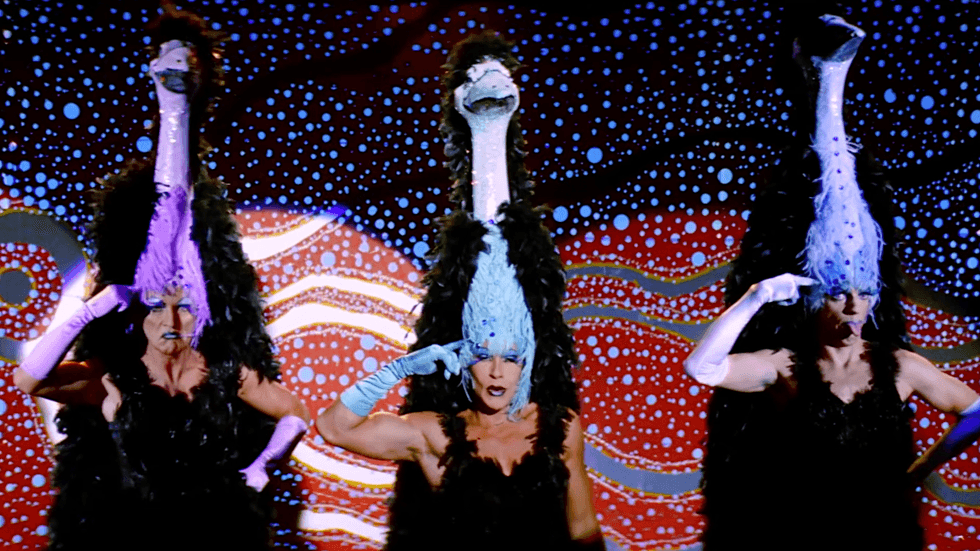 ‘The Adventures of Priscilla, Queen of the Desert’ (1994)Credit: Roadshow Film Distributors
The 1990s were known for the New Queer Cinema movement within independent cinema that led to more inclusive and complex stories of LGBTQ+ characters and themes on screen. One such entry was The Adventures of Priscilla, Queen of the Desert, which followed two drag queens and a trans woman on their journey into the Outback to reach their next venue.
Hugo Weaving, Guy Pearce, and Terence Stamp play the trio with flamboyant charm, an acid tongue, and glimmering sequin costumes. Directed by Stephan Elliott, the story didn’t ignore the ugliness of bigotry, yet allowed the trio to find unexpected friends and have a hopeful future. What made this Australian road comedy more impactful was the real-life progress in Australia. The Adventures of Priscilla was released in 1994, the same year the annual Sydney Gay and Lesbian Mardi Gras parade was televised for the first time, overcoming political and public opposition.
4. Natural Born Killers
Release date: August 26, 1994
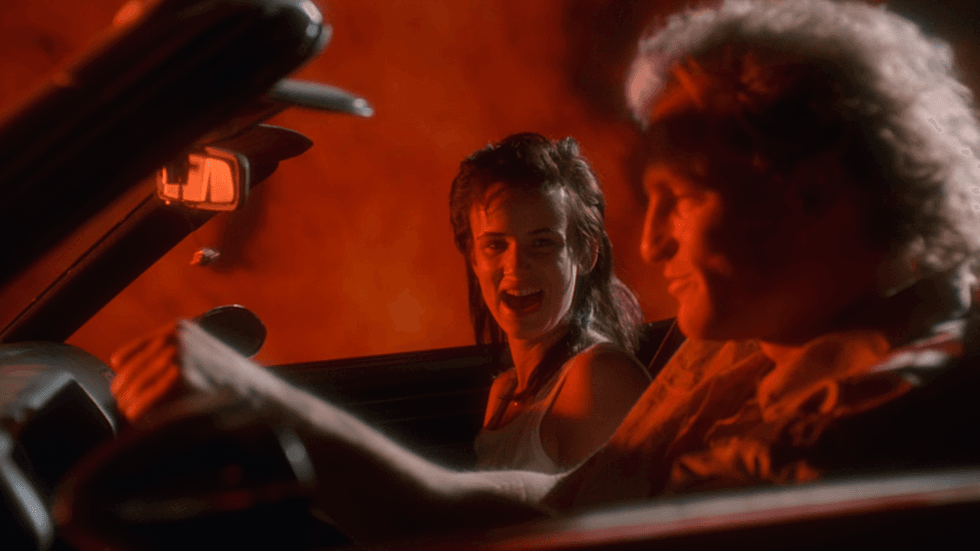 ‘Natural Born Killers’ (1994)Credit: Warner Bros.
The 1990s saw the trend of daytime tabloid talk shows, or, more bluntly, trash TV. The lurid content escalated with the June 17, 1994, media coverage of the low-speed police chase and eventual arrest of O. J. Simpson for the murders of his ex-wife, Nicole Brown Simpson, and her friend, Ronald Goldman. The sensationalized topics on TV would be satirized with a surreal flair in the hyperstylized and hyperviolent Natural Born Killers.
Director Oliver Stone brought viewers into the lives of Mallory (Juliette Lewis) and Mickey (Woody Harrelson) to see their romance, murder spree, and incarceration. Despite the deaths they caused, the duo is exploited by the media, and the public becomes their groupies. It’s a morbid look at how true crime is turned into entertainment and killers are turned into celebrities.
5. The Shawshank Redemption
Release date: September 23, 1994
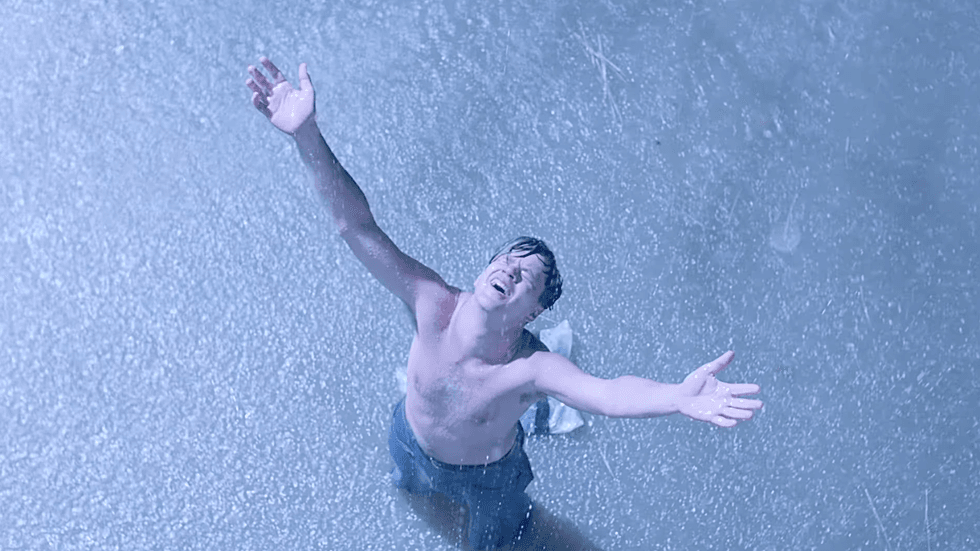 ‘The Shawshank Redemption’ (1994)Credit: Columbia Pictures
“I guess it comes down to a simple choice, really. Get busy living or get busy dying.”
Adapted from a Stephen King novella, The Shawshank Redemption is the tale of Red (Morgan Freeman) and Andy (Tim Robbins), who become friends while they are inmates at a corrupt prison. Director and writer Frank Darabont, cinematographer Roger Deakins, and composer Thomas Newman were the creative forces off-screen that made a deeply humanizing film about flawed men.
On-screen, the supporting characters have devastating arcs; even the villains feel more nuanced than the epitome of evil. But the heart of this film, and why its character-driven story is so powerful, is how Red and Andy change each other’s lives for the better. Although The Shawshank Redemption was not a box office hit in 1994, time would be kind to it, and the film has become a ’90s classic.
6. Wes Craven’s New Nightmare
Release date: October 14, 1994
 ‘Wes Craven’s New Nightmare’ (1994)Credit: New Line Cinema
The Nightmare on Elm Street series killed off Freddy Krueger in 1991. But that didn’t stop another installment from being made with the return of director Wes Craven to the franchise. New Nightmare has the cast and crew of the original A Nightmare on Elm Street targeted by a demon who takes the form of Freddy.
Released ten years after the first movie, New Nightmare is a legacy sequel with callbacks for the fans to enjoy while blurring the lines between reality and fiction, going beyond a character’s fear of being attacked by Freddy in their sleep. Now, the real-life people involved in creating the series are haunted by what they put into the world, resulting in a more psychological slasher sequel that may not satisfy every fan because of how seriously it takes itself. New Nightmare would also be Craven’s early take on a meta slasher before directing the more polished Scream (1996).
7. Hoop Dreams
Release date: October 14, 1994
 ‘Hoop Dreams’ (1994)Credit: First Line Features
Two young basketball players, Arthur Agee and William Gates, hope of making it into the NBA, and Hoop Dreams watches them go through hardships at their schools and in their families. Directed by Steve James and nearly three hours long, the documentary is a raw look at the pressure that Arthur and William are put under. Their mothers are a consistent strength to them, while the men in their lives are absent or try to live out their old dreams through them.
Film critic Roger Ebert was a big supporter of Hoop Dreams, so much so that he rallied behind it when it was snubbed by the Oscars for a Best Documentary nomination. Hoop Dreams is for sports fans and for people who may not like sports, thanks to the long-form storytelling, which goes beyond the basketball court.
8. Pulp Fiction
Release date: October 14, 1994
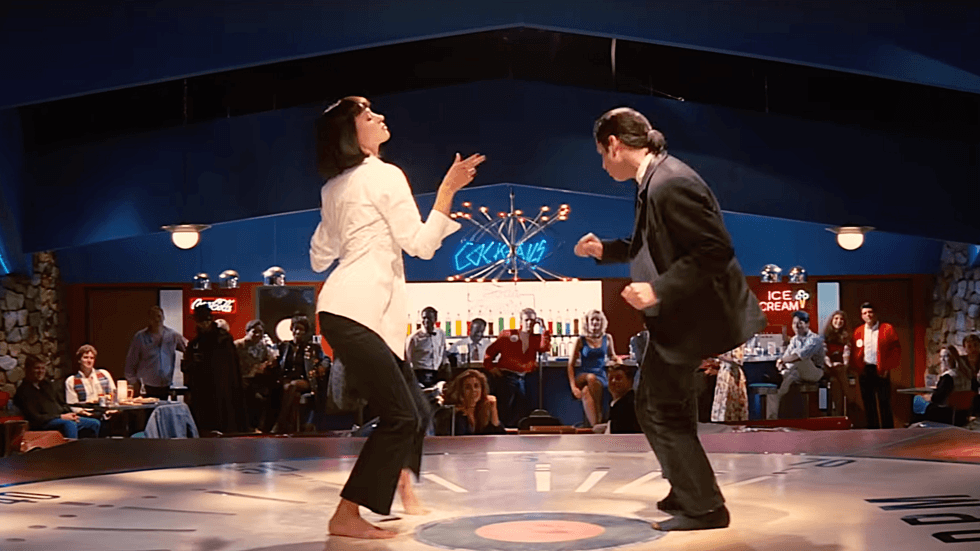 ‘Pulp Fiction’ (1994)Credit: Miramax Films
“Zed’s dead, baby.”
This non-linear, interconnected film is about a pair of hitmen, a mobster, his wife, a boxer, and a pair of diner robbers. Pulp Fiction is the second feature directed by Quentin Tarantino, with a script written by Tarantino and Roger Avary. It’s filled out with dark humor, pop culture references, sudden violence, and an ensemble of excellent actors in memorable scenes that are set to a groovy, pop, and surf rock soundtrack.
Pulp Fiction would become a prime example of deconstruction and pastiche in filmmaking, with a significant impact on independent cinema. After winning big at the Cannes Film Festival, it went on to be successful at the box office and at the Academy Awards.
9. Clerks
Release date: October 19, 1994
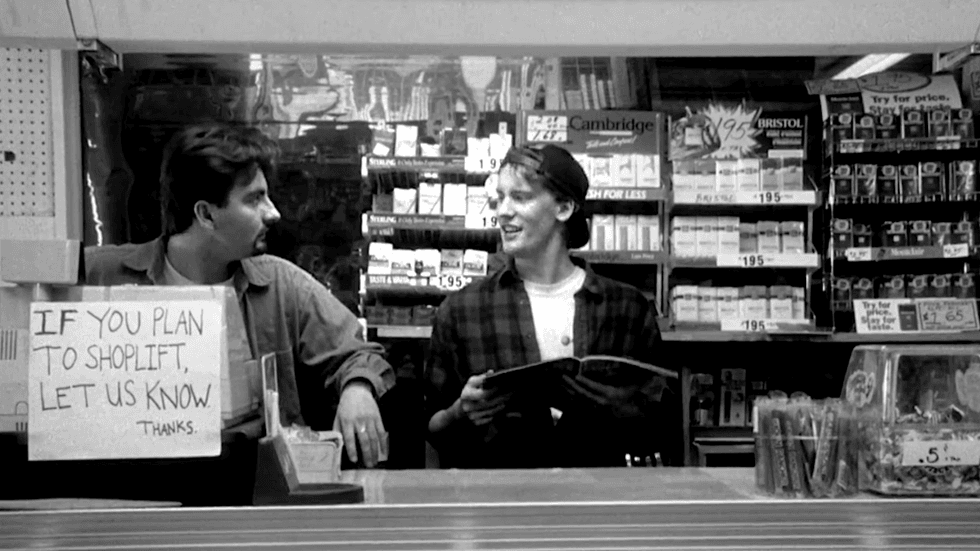 ‘Clerks’ (1994)Credit: Miramax Films
A day-in-the-life of bored store employees made Clerks a hit with audiences and gave director and writer Kevin Smith his career. If the customers aren’t bothering Dante (Brian O’Halloran), it’s his friend Randal (Jeff Anderson), who would rather ignore his work to share his theory on whether the contractors of the Death Star were innocent.
Made with a budget under $30,000, Clerks premiered at the Sundance Film Festival, where it was acquired by Miramax and given a wider release. Kevin Smith’s directorial debut found all the ways that people can be annoyingly human through their hypocrisy. Friends would also debut in 1994 and revolve around the lives of twentysomethings, but if that sitcom’s humor was too clean, there was Clerks, with its grainy black-and-white, a love of geek culture, and dialogue saturated with profanity.
10. Heavenly Creatures
Release date: November 16, 1994
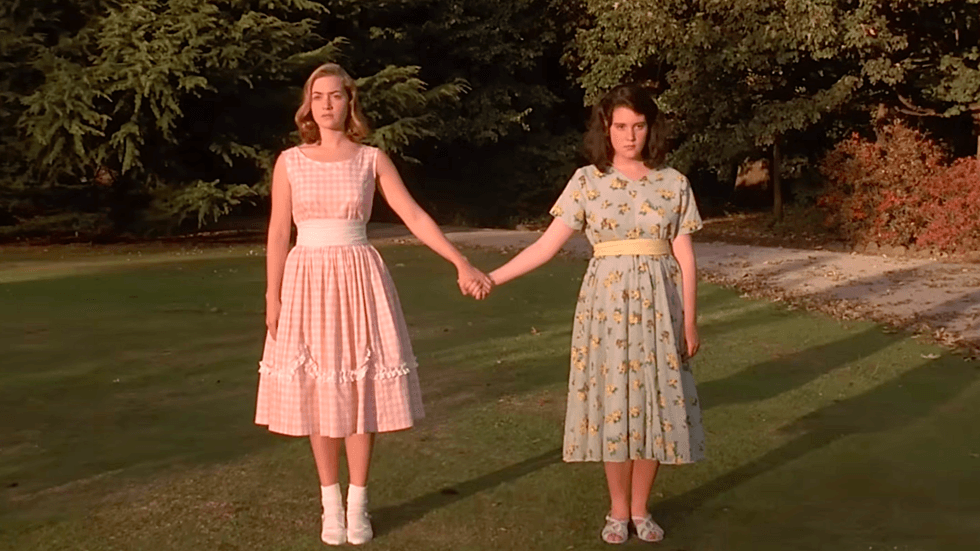 ‘Heavenly Creatures’ (1994)Credit: Miramax International
Directed by Peter Jackson, this was based on a true crime that took place in 1954 in New Zealand. Teen girls Pauline (Melanie Lynskey) and Juliet (Kate Winslet) fall into a codependent friendship and romance as they slip into a shared fantasy world, but desperation to stay together leads them to commit murder.
Heavenly Creatures was the acting debut of Winslet and Lynskey, who gave intense and breathless performances. While some of the digital effects look dated, the practical effects are haunting, especially in life-sized clay figures that became the guardians of the girls’ kingdom. Those moments of fantasy throughout would be a precursor to the magical realm that Jackson crafted for his Lord of the Rings trilogy. But the longer Heavenly Creatures goes on, the more disturbing it gets, until it reaches the horrifying true crime.
- The 13 Best Westerns of the ‘90s: Ranked ›
- Best '90s Shows: The Ultimate 10 TV Series of the Decade ›
- 11 Actors Who Ruled Hollywood in the 1990s ›
- 3 Essential Movies of 1974 Every Film Fan Should See ›
- 10 Classic Films That Made 1981 a Landmark Year for Cinema ›
- The Most Essential Movies of 1999 ›
- The Most Essential Movies of 1984 | No Film School ›
- 10 Essential Movies of 1995 Every Film Fan Should See | No Film School ›
- 10 Essential Movies of 1988 Every Film Fan Should See | No Film School ›