‘Shane’: The Moral Reasoning Behind a Hero’s Goodbye
Shane’s farewell reveals why true masculine strength lies in moral clarity, accountability, and the courage to walk away from peace that he cannot rightfully claim.
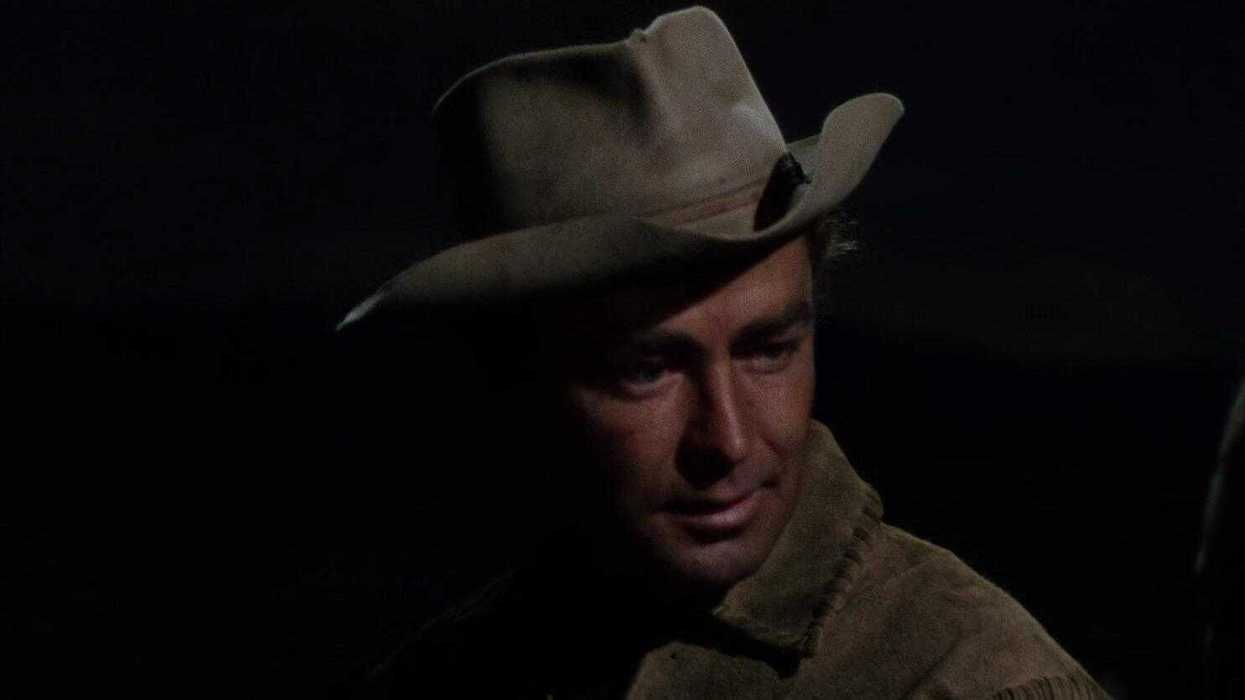
‘Shane’ (1953)
If it is a regular feel-good movie ending, then bad guys get eliminated, things fall into place, and the protagonist gets back into the swing of things. All good people go on to live a “happily ever after” life. Shane (1953), however, takes a break from this routine and instead dives into a different philosophy that stings but also makes sense.
Visualize this in the movie: the hero has saved the community and tackled the goons for good, and the kid who looks up to him like he’s a superhero is begging you to stay. It’s a perfect setting for the hero to stay. But instead, he states his reasons for not staying before making an exit.
He is not cold. He is not heartless. He is just too perceptive about why he doesn’t belong in the smooth-sailing world of relationships and emotional bonds.
In this “Sophie’s Choice,” he chooses to let his heart break so his conscience is saved. And that makes this farewell not just a goodbye but a profound lesson in accountability.
Background
In this Western, set in the Gilded Age, Shane (Alan Ladd), a mysterious drifter, arrives in a remote valley settlement in the Wyoming territory, looking for work. Joe Starrett (Van Heflin), a homesteader who lives on a ranch with his wife, Marian (Jean Arthur), and son, Joey (Brandon deWilde), hires him for the grueling field work. Soon after, Shane learns that a cattle baron, Rufus Ryker (Emile Meyer), is harassing the valley people to grab their land. Around this time, it is established that Shane is a skilled gunman.
One day, during his routine run to a general store, Shane has an encounter with one of Ryker’s henchmen. They try to get under his skin, but he ignores them. On his next encounter, however, he fights them off successfully. Shane’s act of defiance (and a retaliatory egregious act by Ryker) gives the valley people motivation, and the fire of revolt is ignited under Joe’s leadership. Meanwhile, Joey starts idolizing Shane.
At the same time, an unspoken romantic bond develops between Shane and Marian. However, she is a devoted wife, so neither of them acts on impulse. Despite her attraction and intimate feelings for him, Marian feels insecure about Shane’s shady past and considers that he is a bad influence on Joey.
When Ryker invites Joe for a parley, Shane suspects foul play. He follows Joe to the meeting place and knocks him out. Once he has safeguarded Joe, he alone faces Ryker and his men and ultimately kills them. He discovers that little Joey had followed him on foot to watch him fight.
Even though the danger is resolved, Shane feels guilty for exposing Joey to the violent aspects of his life. He decides it’s best he leave these people alone without diluting their simple, uncomplicated life with his murky, unsettling existence. Joey pleads with him to stay, but Shane says, “There is no going back from the killing,” and that “right and wrong are a brand, and the brand sticks.” Shane bids his final farewell and leaves the town.
The Anatomy of a Permanent Brand
The Incompatibility of the Gun and the Plow
Shane is aware that his violent past makes him a relic of the lawless era. He made a conscious effort to veer away from that past and merge into the peaceful community, but he knows that while the homesteaders represent the future of families and agriculture, he represents the “cleansing” force of the violent past.
While bidding goodbye to Joey, he says that “there is no going back from the killing.” This statement is his acknowledgement of the fact that his skillset makes him an anomaly in a quiet, peaceful society. He may be seeking peace, but his past will always catch up to him and ultimately disrupt the town’s fresh start.
The Psychological Weight of the Brand
When Shane says, “The brand sticks,” he is talking about the permanent change in a person’s psyche and soul after they accept their circumstances. It becomes their signature brand of life. In Shane’s case, his violent ways in the past are the tragic permanency of his actions. They are engraved on his being, and he can never get rid of them.
What makes him a bigger man is that he doesn’t linger around this realization to find a way to escape. He makes no excuses and just accepts it. He knows that the people he killed were bad people, and he actually uplifted the villagers’ lives by killing them. But the ultimate truth is that, whether it’s the killing of good people or bad people, whether it’s for the right reason or the wrong one, killing is killing. And that act fundamentally separates him from the normal people.
The Marian Factor
The Moral Compass and the Hidden Tension
In the film, Marian serves as the house’s moral center. She represents everything that is good, just, and faultless. She is equally (or even more) devoted as a mother as she is as a wife. For her little Joey, she wants a future built on peace and righteousness. While she is deeply attracted to Shane’s protective presence—implied as a “subtext” through performances of Alan Ladd and Jean Arthur—she is also disturbed by his “special” skillset. Every time she sees Joey idolizing Shane, she feels insecure. As if the future she wants for Joey is slipping through her hands. His idolatry of Shane shows Joey growing up to become a gunman instead of a peaceful farmer.
The Domestic Shane vs. the Killer
Marian has “feelings of passion” towards Shane, but at the same time, she detests the “brand” he carries. This unique situation creates a dynamic of “stolen glances,” fueled guilt, and, at the same time, resentment. Shane is perceptive enough to see this battle going on in her head. He knows that if he stays, she will continue fighting her impulses, and that will put her at the risk of compromising with her idyllic, peaceful family life and her vision for Joey’s future. So, to preserve her marriage and her son’s innocence, he takes himself out of the equation.
Conclusion
Masculinity is not defined by physical and temperamental prowess alone. Masculinity is mainly defined by one’s strength of character. The substance of character. And that’s the area where Shane proves himself a real man. When he refuses to blend into the world he saved, he shows that his responsibility and protectiveness didn’t stop after killing the bad guys; it continued.
True strength here is not volume or victory. It’s clarity.
- Lawless Malice: The 10 Scariest Villains in Westerns, Ranked ›
- When Silence Speaks Louder Than Bullets: The Genius of Leone’s Opening Sequence ›
- Story of the Rise, Fall & Wild Comeback of the Western Genre ›
- 10 Best Westerns of the 1970s: Ranked ›
- Grandpa, were you a hero? ›
- Film Quote of the Day: How This Western Evokes the Innocence of a Child Across From a Cold-Blooded Killer | No Film School ›