‘Gladiator’ and the Eternal Weight of Its Greatest Line
A look at how “What we do in life echoes in eternity” distills Gladiator’s themes of duty, legacy, and the ripple effect of our choices.
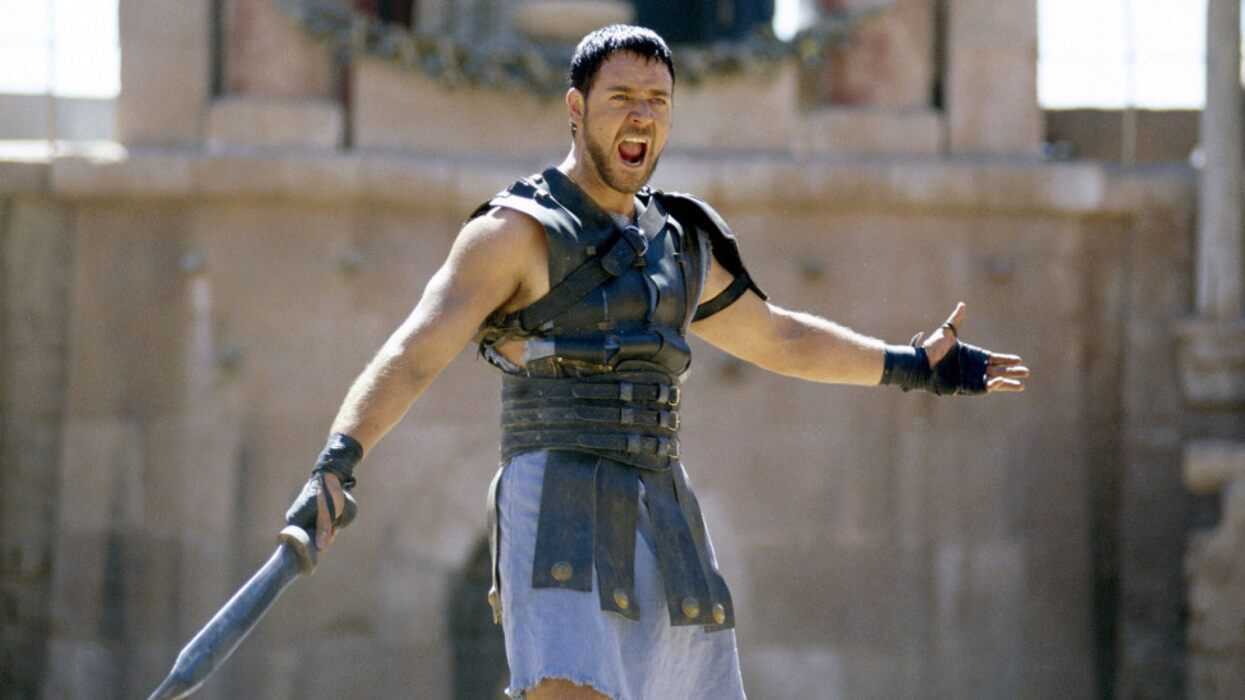
Gladiator (2000)
It doesn’t matter that it’s been 25 years since Gladiator (2000) was released; one of its iconic lines still hits us like a wounded but determined legionary.
Right before the opening battle sequence, General Maximus Decimus Meridius (Russell Crowe) delivers his battle speech to raise the morale of his soldiers. While doing so, he delivers a profound line that transcends any battlefield and touches his army and his audience alike:
“What we do in life echoes in eternity.”
What he says is not only rousing and uplifting; it’s also deeply philosophical. And going beyond its battlefield context, it is also a map that leads us to the film’s thematic center, as well as Maximus’ own character journey. It signifies everything that Maximus will have to face—love, loyalty, betrayal, and the ultimate test of honor.
These are the words spoken by a man who is heading towards a destiny where he will lose everything, i.e., except his reputation. This single line is the reason why we still remember him.
The Moment and the Message
Maximus on the Battlefield
While launching a battle against the Germanic tribes, the Roman army is already exhausted and cold, and its odds aren’t really that great. Maximus, their decorated war veteran general, tries to uplift their spirits with his battle speech. However, as most leaders do, he doesn’t promise them reward, victory, or glory. He promises something deeper and more earnest: meaning to their lives.
He doesn’t entangle his words in the talk about the future. Instead, he grounds them in reality, in the present. What he promises doesn’t end on the battlefield, regardless of the result. He simply asks them to focus on their actions, because everything depends on that. The message is wise and pragmatic at its best.
Winning vs. Living Well
His message is not about winning on the battlefield. It has a much bigger span: an entire lifetime. He inspires them to live well and carry out the right actions, because what they achieve through righteousness will last longer and shine brighter than any victory on a battlefield. He suggests, even though History forgets to track every record, your actions leave a footprint.
This applies not only to his soldiers but to us as well. Regardless of our professional achievements, our material success, or our conquests, ultimately, it’s “who we are as a person” that lives on. These words don’t entangle themselves in war clichés. They instead give clarity: you may not see where your choices will land, but their echoes will reach far further than you will last.
The Ancient Roman Value System
Like even today’s military does, ancient Romans tied honor to duty and service. Valor, for them, was not an ornamental virtue; it was real, and it was expected. This is the value system that Maximus taps into, but he strips off vanity. Instead of bringing up glory and fame, he appeals to the prospect of their legacy, something that will be remembered as rooted in integrity, loyalty, and sacrifice.
In other words, he gives them a very simple logic. If death is certain, your actions should define the most meaningful way of spending your last minutes.
The Line’s Moral Weight Within the Story
The Quote, as Reflected in Maximus’ Life
Maximus’ words are not just words. His story arc proves it. He’s loyal to Marcus Aurelius (Richard Harris), refuses to bend the knee to Commodus (Joaquin Phoenix), and is completely devoted to his wife (Giannina Facio) and son (Giorgio Cantarini). All these actions are indicative of his commitment to his duty—duty to his king, duty to his kingdom, and duty to his family. Honor is omnipresent in his life and is never optional. He steps right into danger despite being aware of the betrayal he is facing, but he never becomes bitter and sore. By doing so, he displays that his legacy is blossoming from the consistency and dependability of his principles.
Commodus, as the Inverse: Power Without Virtue
Commodus is an example of what happens when legacy is forced, rather than earned or lived. He doesn’t want to take any responsibility, but he wants the credit anyway. He doesn’t do anything that kindles respect, but he wants to be appreciated and admired. Everything he does stems from fear, not inspiration.
Commodus serves as a dark contrast to Maximus’ upright and honorable philosophy, and that only sharpens the meaning of his words. Maximus leaves behind a legacy of loyalty, love, sacrifice, and duty; Commodus leaves behind a legacy as a cautionary tale. A legacy built on fear and insecurity crumbles like a brittle house of cards, while a legacy built on principles endures forever.
The Enduring Weight of an Eternal Echo
Gladiator might be a story of violence and wars, but after it ends, we don’t remember the cries or the bloodshed; we remember the single guiding principle and the meaning it echoes. Maximus neither chases glory nor propagates it. He has his morals and ethics in place, and they are strong; all he does is live by them. That’s all he needs to be immortal—even when circumstances strip away his status and comfort and destroy his life.
He lives by a simple philosophy: act with honor; let time handle the rest.
- Ridley Scott’s 9 Best Films Across Five Decades ›
- How to Write a Final Battle | No Film School ›
- Ridley Scott Regrets Not Keeping This 'Blade Runner' Prop | No Film ... ›
- What Does Ridley Scott Think Are the Best Shots From His Long ... ›
- Ridley Scott Returns to Rome in the 'Gladiator II' Trailer | No Film ... ›
- The 'Gladiator II' Ending Explained: Swords and Symbolism | No ... ›
- Lessons 'Gladiator' DP John Mathieson Can Teach You About ... ›
- 9 Best Movie Characters Driven by a Strict Moral Code ›
- Spartacus Ending Explained ›
- Film Quote of the Day: The 'Gladiator' Line That Reveals Why Cicero Remained Loyal to Maximus | No Film School ›