Sidney Lumet became a director during a time when filmmakers didn’t need CGI monsters, superheroes, or multiverses to keep their audiences glued to their seats. So he did away with what he thought would serve the purpose: a sweaty room, a morally conflicted protagonist, and a camera that knew when to get uncomfortably close. Plus, his stories always remained grounded in people, systems, and the quiet pressure that builds when both collide.
As a result, the films he made looked calm on the surface but burned on the inside. No spectacle, no noise; just writing that hit a chord, focused direction, and actors who pushed their limits.
Oh yes, he was an actor’s director. He was known to create an environment on set where performances could thrive without interference. Of course, he rehearsed a lot, but after that, he trusted his actors and let them do their jobs. You might even say he kept the camera out of their way, so they could dig deeper into their characters and carry the emotional weight. This is why his movies feel intensely human and grounded in reality.
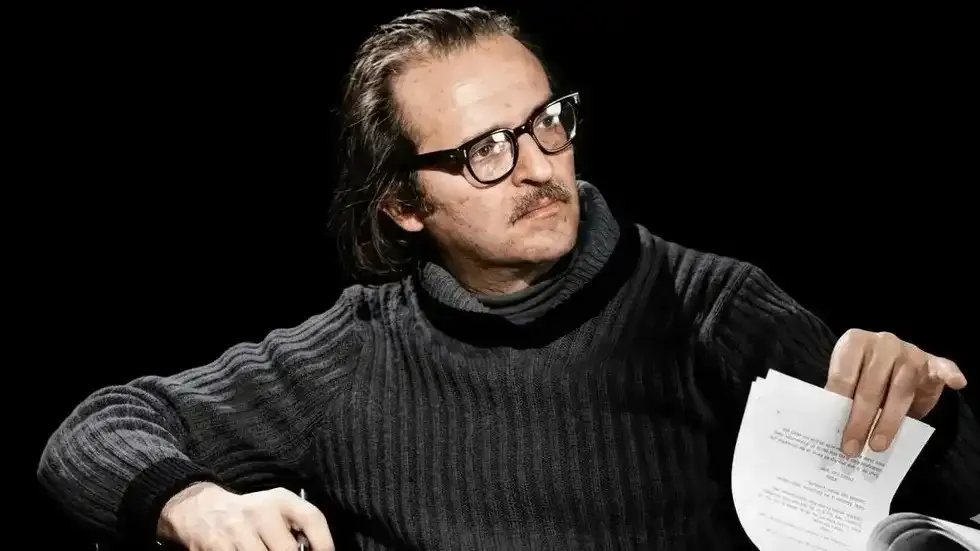 Sidney LumetCredit: Creative Commons
Speaking of “grounded in reality”: He really stayed loyal to “realism” across the range of genres he worked across. Be it in courtrooms, newsrooms, police departments, or even a regular living room, he turned every such simple setting into an explosive arena of moral conflict and psychological depth.
His films will constantly introduce you to the gritty soul of New York City and the messy reality of the American legal system. While watching his films, if you feel like two people arguing is the most explosive thing in the world, don’t feel strange; Lumet had spent his entire career mastering that feeling.
Anyway, let’s dive into his world and explore his top 11 films that demonstrate how to tell intense stories without any fluff.
11 Greatest Sidney Lumet Films
11. Prince of the City (1981)
Written by: Jay Presson Allen | Directed by: Sidney Lumet
An NYC narcotics detective, Danny Ciello (Treat Williams), driven by conscience, decides to help the federal prosecutors expose the corruption within the NYPD, but faces a moral dilemma when he realizes he has to betray his close associates. This film highlights the price of being a whistleblower and thrives on layered storytelling and procedural details. Like most of his movies, the tension lies within conversations (or even in the explosive scenes with no dialogue) and shifting loyalties. The narrative is dense, and Lumet doesn’t simplify anything, but it rewards attention by highlighting systemic rot through finer details.
10. Long Day's Journey into Night (1962)
Written by: Eugene O’Neill | Directed by: Sidney Lumet
Based on Eugene O’Neill’s autobiographical play, the film follows one single day in the dysfunctional Tyrone house, where the miserly father (Ralph Richardson), morphine-addicted mother (Katherine Hepburn), a womanizing, alcoholic older son (Jason Robards), and intellectual but consumptive younger son (Dean Stockwell) confront their demons. Lumet, in solidarity with the story’s original “stage” soul, keeps the setting intimate and lets the inter-character dynamic and performances carry the narrative. One thing that stands out here is Lumet’s ability to capture emotional fatigue with precision.
9. Running on Empty (1988)
Written by: Naomi Foner | Directed by: Sidney Lumet
The film follows a teenager, Danny Pope (River Phoenix), who seeks a normal life while constantly having to live underground to evade the FBI because of his ‘60s radical parents. The logline might suggest the movie must be full of action, but it instead focuses more on identity and sacrifice. Lumet’s interesting yo-yoing between family drama and quiet tension creates space for character growth. Overall, the film manages to make the political backdrop impactful while keeping the emotional stakes feel very personal.
8. The Pawnbroker (1964)
Written by: Morton S. Fine, David Friedkin | Directed by: Sidney Lumet
Sol Nazerman (Rod Steiger), a pawnshop owner in Harlem, is a man traumatized and emotionally desensitized due to the horrors of the Holocaust, but is forced to get in touch with his humanity when his assistant is killed during a robbery. Lumet uses stark visuals and fragmented editing to bring out Sol’s psychological damage. The film’s narrative also avoids sentimentality and explores grief as something that’s persistent and remains unresolved.
7. The Verdict (1982)
Written by: David Mamet | Directed by: Sidney Lumet
A washed-up alcoholic attorney, Frank Galvin (Paul Newman), is looking for one last chance at redemption, which he gets in the form of a medical malpractice case. This film will show you how to strip down a courtroom drama to the bare essentials. Lumet uses heavy shadows, autumnal tones, and controlled pacing to reflect Frank’s internal decay. This is a more nuanced courtroom drama because, instead of focusing solely on the mechanics of a trial, it centers on the protagonist’s soul. And that’s how we get to experience the perfect balance of cynicism and desperate, flickering hope.
6. Serpico (1973)
Written by: Waldo Salt, Norman Wexler | Directed by: Sidney Lumet
Frank Serpico (Al Pacino), an idealistic NYPD officer, refuses to participate in departmental corruption and fights it as a whistleblower, but does so at the cost of alienating himself from his colleagues and risking his life. In addition to capturing the grime of ‘70s New York, Lumet also tracks Frank’s increasing isolation over time through his shifting appearance and environment. The tension feels insidious, as if it surreptitiously creeps in instead of blowing up. Its weightiness grows as the story progresses, but in the end, the final payoff feels fully earned.
5. The Hill (1965)
Written by: Ray Rigby | Directed by: Sidney Lumet
Set during World War II, the story follows Joe Roberts (Sean Connery), a rebellious sergeant-major sent to a brutal North African military prison, who must rally his fellow inmates to rise against the sadistic and deadly discipline enforced by the guards, which includes the “Hill,” a massive, punishing manmade mound of sand they are forced to climb in scorching heat. With the harsh landscapes, scorching atmosphere, and tight framing, you can imagine how amplified the pressure might feel. But this is how Lumet critiques power structures without ever exaggerating. It’s also a brilliant, stripped-back character study that relies on raw performances and a relentless, driving pace.
4. Fail Safe (1964)
Written by: Walter Bernstein | Directed by: Sidney Lumet
In this Cold War political thriller, the U.S. President (Henry Fonda) is left with an impossible choice when a technical error sends a squadron of American Vindicator bombers to destroy Moscow, risking a nuclear apocalypse. The premise is (impossibly) high-stakes (and mimics the similar one from another 1964 movie), but Lumet still manages to keep the narrative restrained and dialogue-driven. It’s the inevitability of the situation that generates the tension, not action. And as for the technical craft, the use of extreme close-ups creates a sense of breathless panic. In general, this is one of the most controlled thrillers of all time.
3. Dog Day Afternoon (1975)
Written by: Frank Pierson | Directed by: Sidney Lumet
To finance his boyfriend’s sex-reassignment surgery, Sonny Wortzik (Al Pacino) and his friend, Sal Naturile (John Cazale), attempt to rob a bank, but it goes wrong, turning into a hostage situation and a media circus. One of the things you must take from this movie is how brilliantly Lumet has captured the chaotic energy of a hot summer day. A perfect blend of realism and unpredictability, it thrives on crowd dynamics and shifting public perception. This is one of Lumet’s most visible and definitive works because it manages to be funny, tense, and deeply tragic at the same time.
2. Network (1976)
Written by: Paddy Chayefsky | Directed by: Sidney Lumet
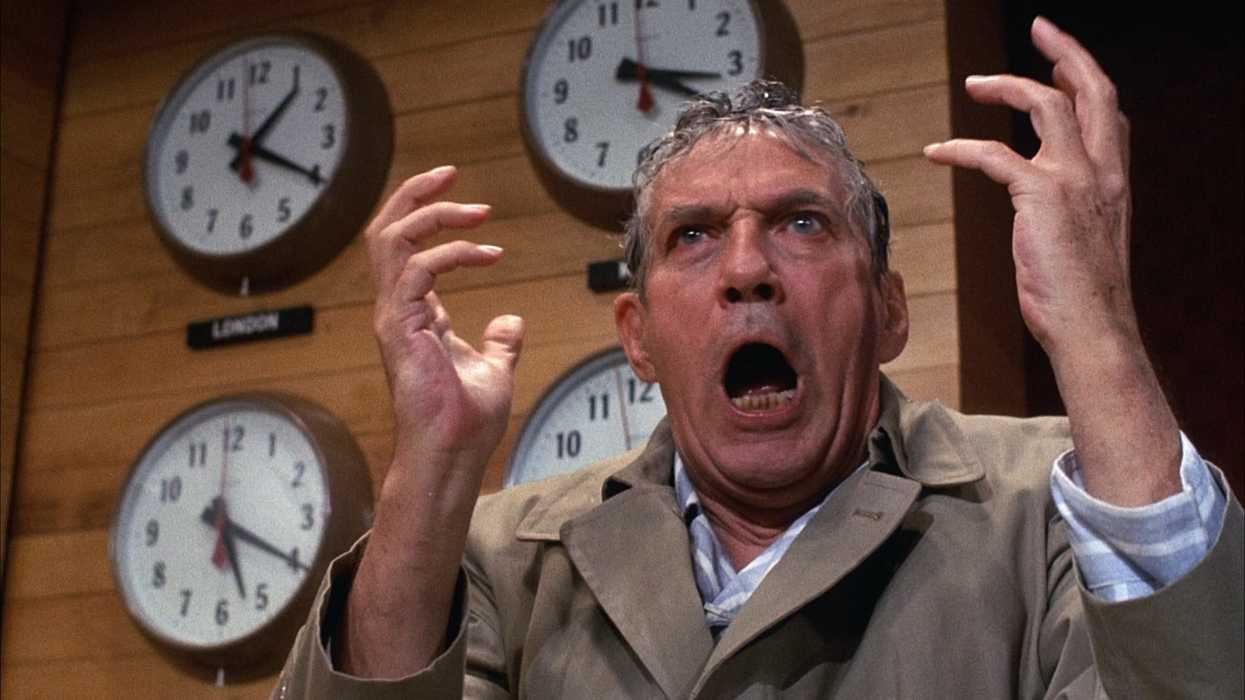
A frustrated news anchor, Howard Beale (Peter Finch), after learning that his show is being cancelled due to declining ratings, launches into an on-air rant about how the media manipulates and how he intends to kill himself on-air, while the channel resorts to exploiting his meltdown for unexpectedly spiked ratings. Lumet’s sharp, satirical vision for Network feels only more accurate as time passes. The film is noted for its dramatic premise and fast-paced, fiery monologues, but Lumet’s focus is on the human cost of corporate greed. If you want to watch a staggering critique of the media, this movie is a must-watch.
1. 12 Angry Men (1957)
Written by: Reginald Rose | Directed by: Sidney Lumet
Following the arguments in a murder trial, 12 jurors are sequestered to decide the fate of an 18-year-old defendant. While all 11 are hastily and feistily determined to give a “guilty” verdict, Juror 8 (Henry Fonda) is the only one with reasonable doubt. This movie is a masterclass in how a small, confined space can house a gigantic drama. The rising tension is conveyed not only through dialogue but also through gradually tightening camera angles. As the space becomes smaller, the tension grows more claustrophobic and intense. This is undoubtedly Lumet’s best work because it turns a simple conversation into a thrilling, high-stakes battle for a human life.
- “Attica! Attica!”: The Improvised Shout That Shook Audiences ›
- The Courtroom Classic Film That Was Shot in Just 2 Rooms ›
- Watch: '12 Angry Men' is a Masterclass in Blocking Your Movie | No Film School ›
- Watch: Sidney Lumet's 'Network' Shows the Oscar-Nabbing Power of Rehearsals | No Film School ›
- 5 Tips for Directors from Sidney Lumet | No Film School ›