‘The Godfather: Part III’ and Michael’s Most Famous Line
How Michael’s anguished line, “Just when I thought I was out, they pull me back in,” became the defining moment of the movie.
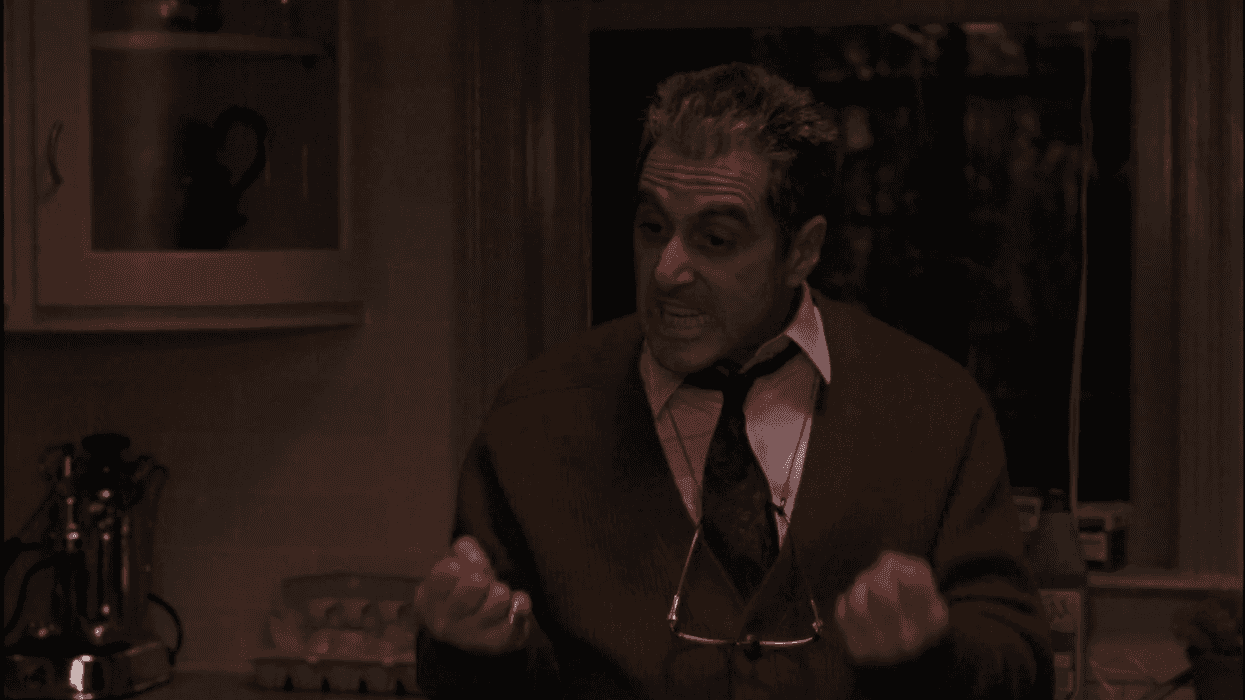
The Godfather: Part III (1990)
When it comes to helming the Corleone empire, Michael Corleone (Al Pacino) passes through four phases: disassociation, reluctance, perseverance, and withdrawal. In The Godfather: Part III, we see the last phase taking over his life. He seems ready, eager even, to finally leave the crime world and his entangled past behind. Unfortunately, he was born with a destiny that is not willing to let him stray from this path.
And that’s the central tragedy of his character arc. He distressingly expresses it during a tense discussion with Connie (Talia Shire) and his bodyguard, Al Neri (Richard Bright). His anguish materializes in the form of a diabetic stroke immediately after.
The line “Just when I thought I was out, they pull me back in” is not just his frustration; it’s his cry of grief. Grief over having veered away from the life he originally saw for himself and the suffocating imprisonment he just can’t seem to escape.
The line is already loaded with misery, but it particularly stings because of how tired and fed up he sounds. He may be worried about Vincent’s (Andy Garcia) volatile nature or feel betrayed that his old friend Don Altobello (Eli Wallach) was behind his assassination attempt, but he is not angry at any one person. He is angry at his own destiny, which refuses to let him “live.”
From here on, this line, this exasperation, sets the tone for everything that follows. This is where we realise that peace, for Michael, might always remain out of reach.
The Context
Michael, in an attempt to legalize his businesses, has secured a controlling stake in a large real estate company. The other crime bosses want in on this deal, which Michael refuses because he wants his money to remain clean. As a compromise, in the Syndicate meeting in Atlantic City, he agrees to sell his holdings in Las Vegas casinos and pay them. However, Joey Zasa (Joey Mantegna), who is already vindictive towards the Corleones, gets nothing and storms out of the meeting. Don Altobello, the aging crime boss and one of the oldest family friends of the Corleones, leaves after Zasa on the pretext of reasoning with him. Soon after the two men leave, a helicopter appears outside the conference room and opens fire. While most attendees are killed, Michael, Vincent, and Neri manage to escape.
Back home in New York, Michael discusses the incident with Connie, Neri, and Vincent and tries to figure out who might be behind the attempt and how they should respond to it. He deduces Zasa might have only been the muscle; the real brain behind the attack might be Don Altobello. At this moment, Michael realizes that he is, yet again, caught up in the same vicious circle of violence, manipulation, and betrayal. It’s here that he despondently expresses his agony, saying, “Just when I thought I was out, they pull me back in.”
Why Does Michael Say It?
Michael has been a Don for a long time; he is well aware of the rules of the crime world. He knows that in this world, interests, politics, and consequences are intricately tied together. He cannot just walk away with a signature on a deal. When he feels the traps closing in, he seethes with bitterness. And that’s not just his Sicilian temper flaring up; he is lamenting his wretched state. All his meticulous efforts to escape have become pointless, his control has started slipping, and he knows it.
Conclusion
There must be times in your life when you felt trapped in particular circumstances: a toxic relationship, a bizarre situationship, a thankless job, a taxing project, or just being the sole provider for your family. Now imagine those circumstances were eating your soul from the inside out and leaving you too drained to pursue anything that you truly desired. That’s precisely who Michael is in this scene.
The line has a resounding effect because of its universal appeal. We can understand the exhaustion it may unleash on us. It reminds us of feeling dragged back into problems you thought you had left behind.
It’s the dark realization that some cycles may never break.
- Breaking Down Michael’s Kiss of Death in 'The Godfather Part II' ›
- Friends Close, Enemies Closer: The Most Famous Lesson From 'The Godfather' ›
- Michael Corleone’s Wardrobe Was the First Red Flag ›
- Vito and Michael Corleone’s 3 Defining Scenes in The Godfather ›
- Michael Corleone vs. Walter White: Who’s the Worse Evil? ›
- How Did 'The Godfather: Part III' Make Coppola Feel Like a ... ›
- 'The Godfather III' is Getting Recut by Francis Ford Coppola | No Film ... ›
- Fall From Grace: 3 Most Brutal Hero Downfalls in Movie History | No ... ›
- How Closing a Door Rewrote Michael’s Fate in ‘The Godfather’ ›
- The Godfather: Michael vs. Vincent — Two Paths to Power ›
- Michael Corleone's Arc in 'The Godfather' Films Proves He's the Best ... ›
- Behind Al Pacino’s Wildest Improvised Moment in ‘Heat’ ›
- The Power Shift: Analyzing the Michael Corleone vs. Moe Greene Showdown in ‘The Godfather’ ›
- The Calm Before the Storm: Analyzing Don Vito’s Lethal “No” That Ignites ‘The Godfather’ ›
- The Naive Kay Argument: The Moment Michael Corleone Became "Untouchable" ›
- “They Didn't Want Me”: Al Pacino Thought He Would Be Fired From One of the Greatest Movies Ever Made ›
- Film Quote of the Day: 'The Godfather Part: III' Quote That Revealed Don Corleone's Philosophy | No Film School ›