‘The Godfather: Part II’: The Coldest Offer Michael Corleone Ever Makes
How “My offer is this: Nothing” reveals that Michael no longer needs allies.
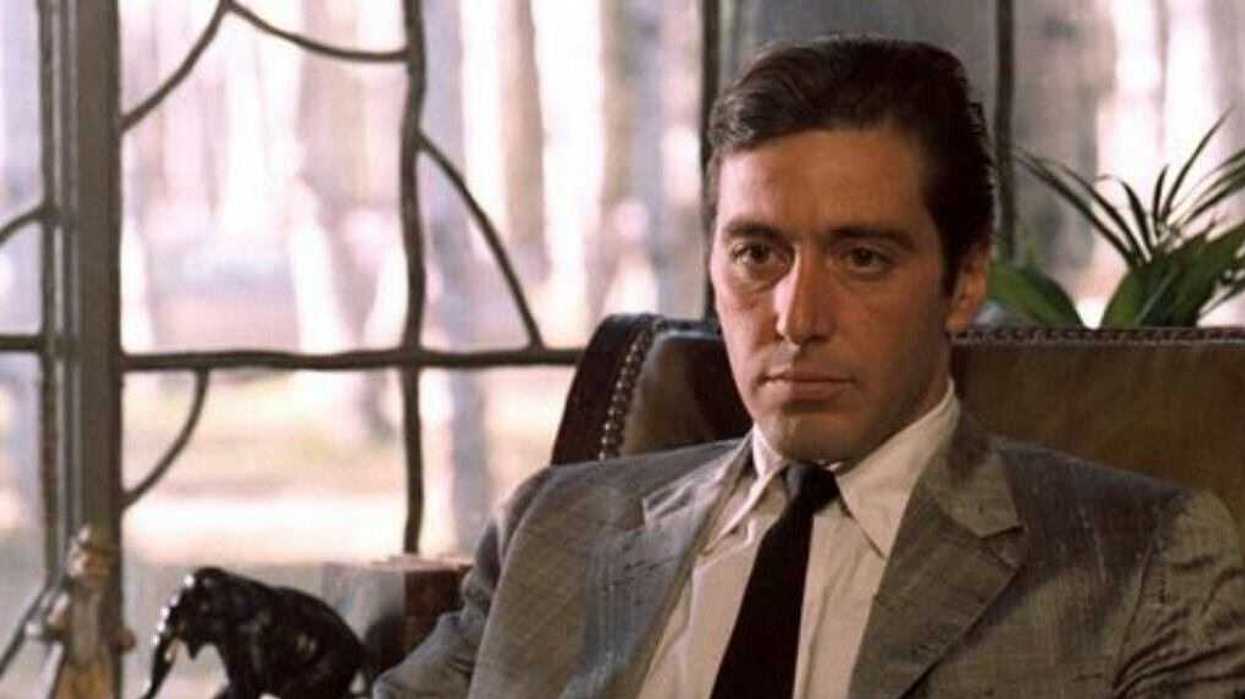
The Godfather: part II (1974)
The opening scene of Michael Corleone’s (Al Pacino) plot in The Godfather: Part II (1974) deliberately mirrors the opening scene from The Godfather (1972). In both movies, a ceremony is underway. Connie’s (Talia Shire) wedding in the first, and Anthony’s (James Gounaris) communion in the second. As jubilation fills the air outside, the power operates indoors. Each don, Vito Corleone (Marlon Brando) in the first movie and Michael in the second, delivers veiled threats to their targets: Vito promises to “make an offer he can’t refuse,” Michael simply “offers nothing.”
The Lake Tahoe scene is where we get to see the evolved vibe of Michael. He sits there, calm and collected, outwardly unfazed by the insults thrown at him by the powerful senator. His punch comes in the form of withdrawal of a “partnership” and a hidden promise to make it a one-way profit.
The scene also highlights Michael’s progression from needing social graces (which his father valued) to losing patience with them. Respect replaces pure, cold leverage.
The scene unfolds Michael’s journey between the first two movies and is instrumental in setting the tone for the movie and Michael’s arc.
Senator Geary
The Line in Context
As Michael’s son, Anthony’s communion is being celebrated at Lake Tahoe, Michael has some business meetings, including one with Senator Geary (G.D. Spradlin). Michael wants the gaming license. Geary, after insulting Michael’s Italian heritage, offers to give him the license, but for an excessively disproportionate bribe.
Michael calmly listens as Geary spews unprovoked insults. He responds only when Geary gives him a few hours to confirm his offer. Michael, instead, gives him an immediate reply.
“My offer is this: Nothing. Not even the fee for the gaming license, which I would appreciate if you would put up personally.”
Why “Nothing” is the Powerplay
Michael’s primary move was to sit down, negotiate, and make a mutually beneficial transaction. Geary is, however, preoccupied with his xenophobic mindset, positional arrogance, and inordinate greed. Michael’s reaction doesn’t come from hurt pride, ego, or anger; it’s still “just business.” However, in good business, one needs to maintain a strong position.
That’s what Michael does. There is no back-and-forth, no implied compromise. He simply takes “mutual benefit” off the table and proclaims a punishment, a.k.a., Geary will pay for everything.
His next actions are aimed at bringing Geary into a situation where he will comply with this punishment. So, Michael arranges for Geary to be found in a motel room with a dead prostitute. The motel just happens to be the one that the Corleones operate, and they are willing to make this career-ending situation disappear if Geary does what he is told.
What the Line Says About Michael
Strategic Emotional Detachment
In the scene, Michael appears calm. But it doesn’t stem from composure; it comes from detachment. In the previous movie, Michael sought validation, be it from Kay (Diane Keaton) or Vito. Now he has taken a break from emotions and sentimentality. And this detachment is deliberate, because now he values outcomes more than people. When he is not emotionally invested in others, it cannot be leveraged against him.
Control Without Intimidation
Vito’s first line of action was never intimidation or violence. His wide network of relationships based on loyalty and the weight of his word acted as his influence. Just like him, Michael, too, avoids aggressive confrontation. But unlike his father, Michael’s influence comes from cold calculation. He never speaks out about what the consequences would be; he doesn’t have to, but everyone understands the certainty of them. That’s control at its most efficient form. Michael doesn’t have to demonstrate power; he simply assumes it’s understood.
Conclusion
Michael’s transformation from an idealistic outsider to a ruthless dictator is quite fascinating. And that transformation is on full display in this line. It indicates that he has outgrown the need for validation or respect in a traditional sense. The loving Mikey from the first movie is long dead; now he doesn’t care about being loved or even liked. All he wants is to be feared and obeyed.
The line is also indicative of the Corleone family’s shift from a (kind of) warm neighborhood family to a global enterprise. However, this “growth” comes at a cost. For every battle he wins, Michael loses a part of his soul.
- 'The Godfather' Has a Secret Third Lead (And It’s Not Who You Think) ›
- Friends Close, Enemies Closer: The Most Famous Lesson From 'The Godfather' ›
- Breaking Down Michael’s Kiss of Death in 'The Godfather Part II' ›
- How Closing a Door Rewrote Michael’s Fate in ‘The Godfather’ ›
- The Godfather: Michael vs. Vincent — Two Paths to Power ›
- Michael Corleone’s Wardrobe Was the First Red Flag ›
- Michael Corleone vs. Walter White: Who’s the Worse Evil? ›
- Vito and Michael Corleone’s 3 Defining Scenes in The Godfather ›
- The Power Shift: Analyzing the Michael Corleone vs. Moe Greene Showdown in ‘The Godfather’ ›
- The Calm Before the Storm: Analyzing Don Vito’s Lethal “No” That Ignites ‘The Godfather’ ›
- The Naive Kay Argument: The Moment Michael Corleone Became "Untouchable" ›