The ‘Dirty Harry’ Line That Made Clint Eastwood Untouchable
The “Do I feel lucky?” line proves how a threat, delivered with total calm, can reshape movie masculinity and cinematic power.
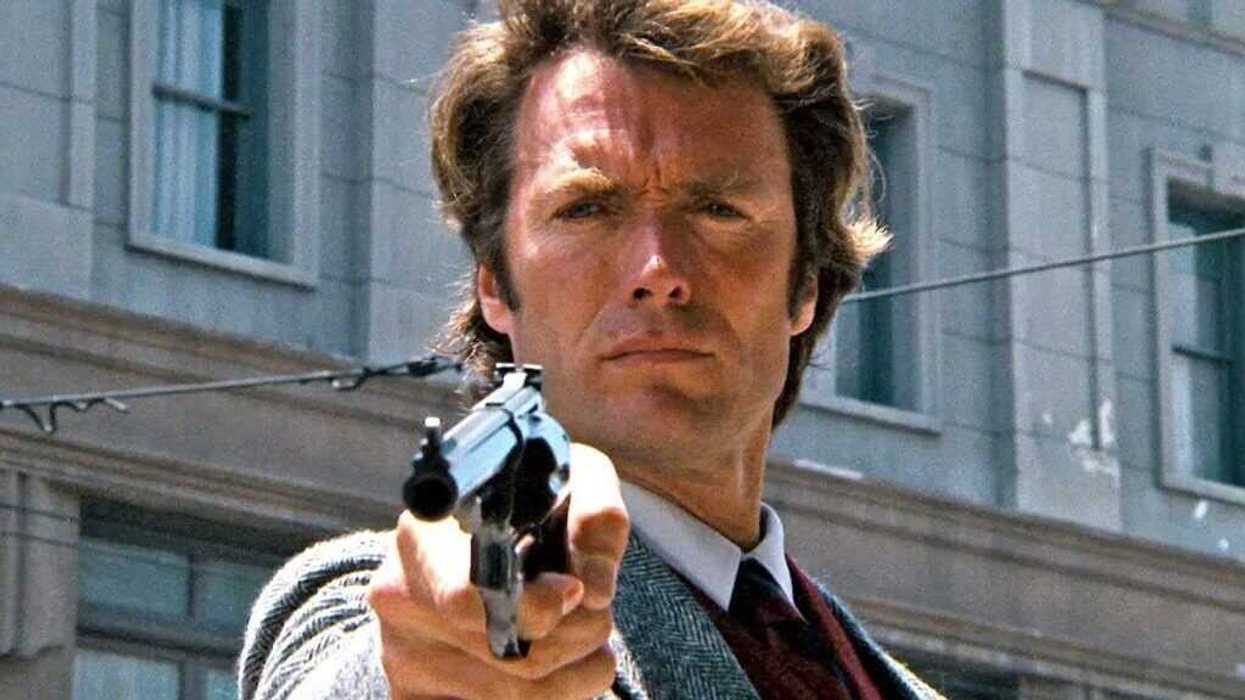
Dirty Harry (1971)
The ‘70s San Francisco was rife with crime; what with the “Zebra” murders by “Death Angels," the unsolved Zodiac Killer case, prostitution, drugs, and heists, it was all grime and gruesome.
Enter Inspector Harry Callahan. He had no patience for the bureaucracy or feelings. A “shoot first, talk later” kinda guy. But his actions stemmed from the need for swift and decisive justice, not disregard for communication.
Harry first meets us in Dirty Harry (1971). After foiling a bank robbery and holding one of the robbers at gunpoint, Harry says something that establishes the calm, calculated psychological game he plays, but also transcends across generations.
It’s just a simple question. What’s so special about it, you might ask.
Well, what makes it special is that it forces us to see that this “good guy” isn’t only about his badge; he is a force of nature. And from then on, it shifts how we see movie heroes.
The High-Stakes Moment(s)
The seemingly unassuming but essentially formidable words, as Harry uses them:
“I know what you are thinking: 'Did he fire six shots or only five?’ Well, to tell you the truth, in all this excitement, I’ve kinda lost track myself. But, being this is a .44 Magnum, the most powerful handgun in the world, and would blow your head clean off, you’ve got to ask yourself one question: ‘Do I feel lucky?’ Well, do you, punk?”
And he says these exact words twice in the movie.
A Random Robber: The Empty Chamber Bluff
The first time he says it is much earlier in the first half. The moment is actually a part of a subplot. Harry is on a lunch break and comes across a bank being robbed. He successfully deals with most of the robbers and holds one (Albert Popwell) at gunpoint. There is a rifle lying between them, and Harry knows the robber is thinking of grabbing it. This is where he delivers this quote.
Here, the robber surrenders but wants to know if Harry’s revolver was loaded. As it turns out, it wasn’t. The robber swears at him in frustration, and Harry just laughs. This moment establishes Harry as a gambler who enjoys the psychological edge.
Scorpio: The Final Verdict
This moment comes in the climax. Harry has backed Charles “Scorpio” Davis (Andy Robinson), the main antagonist, into a corner and is holding him at gunpoint. Once again, the situation repeats. A revolver lies at Scorpio’s foot, and he is thinking of grabbing it. Harry repeats the words he said to a robber.
Scorpio, unlike the robber, chooses to try his luck and grabs the weapon, only to be shot by Harry. The slightly lighthearted vibe of the first scene is missing here. This moment shows Harry as an untouchable enforcer who bypasses the broken legal system.
The Anatomy of the Quote
The Power of Total Calm
Eastwood’s screen persona is known for his quiet, understated intensity. He never resorts to screaming or chest thumping. That persona is on full display in this scene. He displays a certain level of detachment, and it seems more dangerous than rage. For example, when he says that he “lost track” of how many bullets he fired because of “all the excitement,” he is showing Harry’s side that views a life-or-death situation as just another Tuesday. This cavalier attitude towards violence is at the front and center of his personality.
The .44 Magnum
Harry refers to his .44 Magnum as the most powerful revolver in the world that is capable of “blowing (someone’s) head right off.” Again, this is not hollow bragging. The gun was indeed considered the peak of handgun excellence in the 60s and 70s. Speaking of it in such a manner, he presents the gun as an extension of his own character.
Conclusion
The quote is effective because it delivers a solid impact without being flashy even once. All it does is strip the violence down to a decision and let silence do the rest. And obviously, Eastwood’s delivery does half the heavy lifting and turns a simple police procedural sentence into a cultural landmark.
Ultimately, the line’s “cool” is the result of psychological dominance rather than just physical strength.
- Clint Eastwood's Top 10 Must-Watch Directorial Hits | No Film School ›
- 10 Best Movies Starring Clint Eastwood, Ranked | No Film School ›
- Clint Eastwood's Message to Directors: 'Do Something New or Stay ... ›
- The Line That Made Clint Eastwood a Legend ›
- 12 Lines That Made Clint Eastwood a Legend ›
- “Dying Ain’t Much of a Living”: The Meaning Behind The Gritty Philosophy of The Outlaw Josey Wales ›
- "Two Kinds of People": The Line That Defines ‘The Good, the Bad, and the Ugly’ ›
- The Coldest Line Clint Eastwood Ever Delivered in ‘A Fistful of Dollars’ ›
- “I Reckon So”: Josey Wales’ Three Words of Steel in ‘The Outlaw Josey Wales’ ›
- “A Man’s Got to Know His Limitations”: The Power of Boundaries in Clint Eastwood’s Magnum Force ›
- Throwing Shade, Western Style: Why Josey Wales’ Iconic Taunt Still Hits in 2026 ›
- The 13 Best Westerns of the ‘90s: Ranked ›
- The Doorway to Nowhere: Why the Final Shot of ‘The Searchers’ Still Haunts Us ›